London Daily

Focus on the big picture.
Thursday, Oct 29, 2026

Queen Elizabeth II: Funeral and 10 days of mourning cost government £162m

Queen Elizabeth II: Funeral and 10 days of mourning cost government £162m

Queen Elizabeth II's funeral and events during the period of national mourning cost the government an estimated £162m, the Treasury has said.

The state funeral on 19 September 2022 came 11 days after her death.

During that period of national mourning hundreds of thousands of people visited Westminster where she was lying in state.

The Home Office (£74m) and Department of Culture, Media and Sport (£57m) spent the most.

The costs incurred by the government departments relate to the Queen's funeral and other events in the run-up, including the monarch's lying-in-state.

John Glen, chief secretary to the Treasury, said the government's priority at the time had been to make sure "these events ran smoothly and with the appropriate level of dignity, while at all times ensuring the safety and security of the public".

In a written ministerial statement made to Parliament, Mr Glen said the Treasury had provided additional funding where necessary and the Scottish, Welsh and Northern Ireland governments were "fully" refunded for their respective costs.

The estimated costs include:

*  Department for Culture, Media & Sport - £57.42m

*  Department for Transport - £2.565m

*  Foreign, Commonwealth & Development Office - £2.096m

*  Home Office - £73.68m

*  Ministry of Defence - £2.890m

*  Northern Ireland Office - £2.134m

*  Scottish Government - £18.756m

*  Welsh Government - £2.202m

*  Total - £161.743m

After Queen Elizabeth II died on 8 September 2022 aged 96, the UK started 10 days of national mourning.

The late Queen's coffin was laid to rest in St Giles' Cathedral in Edinburgh for 24 hours, before the monarch was taken to Westminster Abbey in London where thousands of mourners queued for hours to pay their respects.

People lined up in London at all hours of the day, often in chilly temperatures, to pay their respects - including David Beckham.

The wait time at one stage was estimated to be more than 24 hours; and the queue snaked from Westminster Hall, down along the River Thames and stretched south for almost seven miles (11km).

The scale of the state funeral and mourning arrangements led to what police described at the time as "probably the biggest operation we're likely to launch in the UK".

Queen Elizabeth II's coffin being carried out of Westminster Abbey


World leaders and foreign royalty joined the Royal Family for the state funeral at Westminster Abbey.

Members of the 2,000-strong congregation included the Queen's great-grandchildren, the prime minister at the time Liz Truss and US President Joe Biden and his wife Jill.

The event was watched by millions of people across the country and around the world.

It was the first state funeral since Sir Winston Churchill's in 1965 and the biggest ceremonial event since World War Two.

After the funeral, the Queen's coffin travelled in a procession to Wellington Arch and then on to its final journey to Windsor Castle and a committal service.
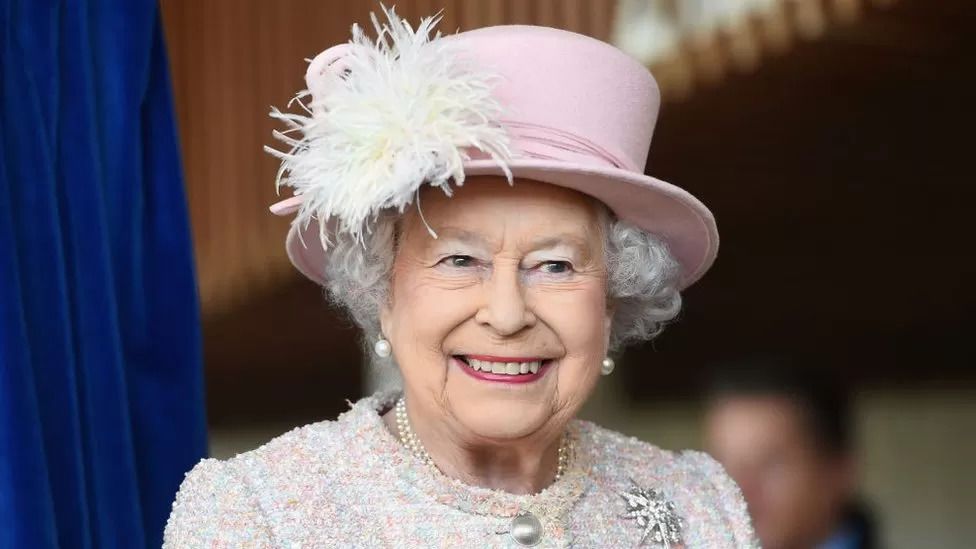
Queen Elizabeth II's death was followed by 10 days of national mourning


The cost was used to facilitate the smooth running of the event and ensure mourners from the UK and across the world could visit and take part safely, Downing Street has said.

"Of course, a major international event of this scale, we wanted to ensure that we could enable people to pay their respects," a No 10 spokesman added.

Newsletter

Related Articles

0:00
0:00
Close
Automotive Manufacturers Urge Government Action as High Energy Costs and Global Supply Chain Disruptions Threaten Production
Metropolitan Police Issue Formal Apology Following Inadvertent Release of Confidential Information During High-Profile Investigation
Scottish Finance Secretary Shona Robison Unveils Devolved Budget Highlighting Housing and Public Service Adjustments
Energy Regulator Office of Gas and Electricity Markets Prepares to Remove Household Gas Standing Charges Following Treasury Mandate
Treasury Confirms Reversal of Planned Cash Individual Savings Account Allowance Reduction Protecting Twenty Thousand Pound Limit
Office for Budget Responsibility Revisions Predict Moderate United Kingdom Economic Growth with Elevated Inflation Pressures
Chancellor John Healey Delivers First Autumn Budget in Parliament Highlighting Temporary Bank Surcharge and Cost-of-Living Support
Met Office Issues Extended Forecast Highlighting Stable High Pressure Weather Patterns Across the United Kingdom
Scottish Finance Secretary Shona Robison Outlines Changes to Tax Thresholds and Residential Property Levies in Edinburgh
Financial Markets and Government Bond Yields Remain Stable Following Muted Reaction to Autumn Budget Measures
Defence Committee Chair Tan Dhesi Criticizes Budget for Delaying Critical Defence Spending Decisions to Next Year
International Monetary Fund Forecasts United Kingdom Economic Growth at One Point Three Percent for Year
Office for Budget Responsibility Assesses Fiscal Headroom Reduced to Fifteen Billion Pounds Following Global Energy Shocks
Chancellor John Healey Delivers First Autumn Budget Introducing Household Energy Support and Bank Tax Hikes
Aberdeen City Council Co-Leader Faces Binding Vote Challenge as Local Councillors Launch High Court Legal Battle
Housebuilding Across Scotland Falls to Eleven-Year Low Despite Government Declarations of a Housing Emergency
Former Prime Minister Gordon Brown Organizes National Innovation Summit in Manchester to Boost Regional Competitiveness
UK Government Faces Mounting Criticism Over Lack of Environmental Consultation During Artificial Intelligence Datacentre Expansion Talks
Greggs Announces Closure of Four Major Manufacturing Facilities Across Britain Resulting in Seven Hundred Forty Job Losses
British Retail Consortium Warns That Cumulative Employment and Regulatory Costs Threaten High Street Price Stability
Lloyds Banking Group Chief Executive Charlie Nunn Warns That Increased Bank Taxes Could Deter Long-Term Economic Investment
Ipsos Polling Reveals Seven in Ten Britons Expect Personal Tax Increases Amid Deep Public Economic Pessimism
Chancellor John Healey Delivers First Autumn Budget in Parliament Amid Tight Fiscal Constraints and Slower Growth Forecasts
United Kingdom Finance Monthly Review Highlights Rising Long-Term Borrowing Costs and Persistent Energy Price Pressures Across British Markets
Royal Marines Pioneer Rapid Autonomous Drone Operations During Major High North Exercise Involving NATO Allies
House of Commons Justice Committee Urges Chancellor to Align Prison and Courts Reform Ambitions With Concrete Budgetary Resources
Government Investigates Rapid Artificial Intelligence Datacentre Expansion Strategy Following Scrutiny Over Power Grid Demands and Planning Backlogs
His Majesty's Inspectorate of Constabulary Warns Third-Party Supplier Breaches Threaten United Kingdom Police and Fire Service Data
Number of British Businesses in Financial Distress Reaches Highest Level in Two Decades Ahead of Fiscal Announcement
Chancellor John Healey Prepares Autumn Budget Amid Intense Market Scrutiny Over Fiscal Headroom and Spending Pressures
Education or Indoctrination? The Growing Debate Over Religious Participation in British Schools
Germany's Vanishing Shopfronts: The Silent Collapse of the Businesses That Built Its Cities
Northern Ireland Executive Reaches Agreement on Public Transport Modernization and Cross-Border Rail Infrastructure Funding
Department for Energy Security and Net Zero Approves New North Sea Carbon Capture and Storage Industrial Clusters
Office for National Statistics Reports Stabilization in Private Rental Growth Across Major English and Welsh Regional Cities
United Kingdom Automotive Manufacturing Output Rises Moderately as Electric Vehicle Assembly Lines Expand in the Midlands
Competition and Markets Authority Launches Formal Inquiry Into Cloud Computing Infrastructure and Artificial Intelligence Partnerships
Scottish Government Finalizes Emergency Budget Adjustments Following Multi-Year Public Sector Funding Shortfalls
National Health Service England Announces Major Emergency Care Overhaul to Alleviate Severe Winter Capacity Pressures
Chancellor Rachel Reeves Prepares Autumn Budget Amid Intensifying Scrutiny Over Public Spending and Fiscal Rules
Bank of England Signals Cautious Approach to Further Interest Rate Cuts as Persistent Wage Growth and Inflation Pressures Remain
Transport for London Unveils Expanded Zero-Emission Bus Fleet to Meet Capital Air Quality Targets
Higher Education Institutions Face Deepening Financial Strain Amid Declining International Student Enrolment
Automotive Industry Leaders Criticize Government Tax Policies and Urge Action on Retail Consumer Confidence
Environment Agency Issues Flood Alerts Across Scottish and English Waterways Following Heavy Rainfall
Independent Audit Highlights Persistent Security Vulnerabilities Across Legacy Government Digital Portals
Northern Ireland Political Leaders Clash Over Westminster Funding Allocations Ahead of Autumn Budget
Ethnic Minorities in England Face Significant Disparities in Routine Breast Cancer Diagnosis Rates
National Police Chiefs Report Alarming Surge in Domestic Abuse Cases Fuelled by Expanding Illegal Cocaine Market
Government Announces Two Hundred and Twenty Million Pound Pothole Funding Boost for Local Highway Authorities
×