

Pros Explain How to Remove Your Own Eyelash Extensions
MHO, one of the best things about eyelash extensions is that they aren't permanent. (Irreversible beauty procedures-like brow tattoos, face lifts, or implants-require more commitment than I'm about these days.) The non-soluble glue used to affix synthetic lashes to your own hairs is so effective that in general, false lashes only fall off when your real ones naturally shed, usually within 10-20 days of your original appointment.
At that point, in the best-case scenario, you then return to your lash specialist for a touch-up or for a full removal, where a proprietary lash adhesive remover is placed at the base of your lash line and allowed to sit for ten to fifteen minutes as glue bonds dissolve, explains Chanel Hillman, a lash specialist at Revive Salon & Spa. The technician then uses a microfiber swab to gently slide your old lashes off, repeating the process until all the synthetic fibers (and residual glue) are removed.
But let's just say you're on vacation, temporarily relocated, or in the middle of a pandemic (speaking hypothetically, of course), and can't get back to your lash spot to get those stubborn remaining lashes properly removed. We asked Hillman and Rochelle-R. E. Magno VaultBeauty member and owner of The Lash Gallery for the the ins and outs of DIY lash removal.
Tip #1: Know the risks.
Safe at-home removal is possible, but with caveats. "Each company puts out a lash adhesive remover that is specially formulated to break down the bonds of their glue, free of damage to the natural lash," explains Hillman. "Because of the compounds in professional glue, it’s nearly impossible to remove them without any lash damage at home."
She adds that the success of your at-home process depends on the type of lash install you've had: Volume, hybrid, and mega lashes are created by fanning multiple tiny lash fibers around a single natural lash. "This wrapping technique makes it harder to remove without damage," she says.
Which is all to say, as discussed, the best way to remove lashes is with the help of the very same person who put them on there in the first place. But there are effective ways to deal with stragglers at home. "I tell my clients to do the very things we tell them not to do to maintain their lashes," says Magno.
Tip #2: Never pick or pull.
It can be tempting to try to pick or pull away lash fibers, but that's actually the worst thing you can do. Synthetic fibers are bonded directly onto your natural lashes, and picking them off means you'll remove those, too. If you disrupt your follicle during its growth phase, you could run the risk of permanent damage—that is, no regrowth. So don't do that. Instead, wash your hands and prepare to be patient.
"They may not all fall off all at once, but you can certain work up to getting them all off eventually," Magno assures.
Tip #3: Start with oil-based products.
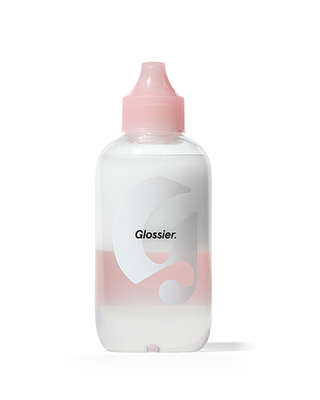
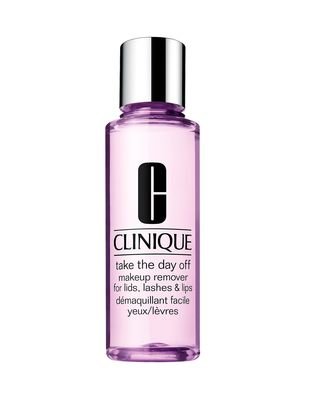
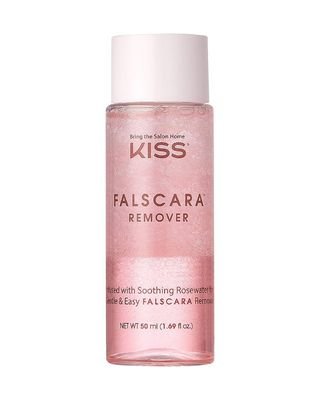
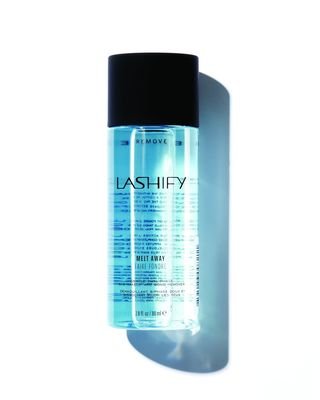
Start by incorporating an oil-based makeup remover into your nightly routine. Used daily, the oils will gently start to weaken the attachment of the extensions. There are also a few at-home targeted lash removal oils that work in a similar way. You could also try sweeping coconut, castor or olive oil along the base of your lash line and extensions with a clean mascara wand, being careful to avoid your eye, and leaving it overnight while you sleep, suggests Magno. While none of those oils are deeply reactive, if you have overly sensitive eyes or skin, you may want to test a small area first.
Tip #4: Steam can help, too.
Steam can also help loosen the adhesive bonds. If you don't have a facial steamer, try tenting your head with a towel over a bowl of hot water or even a humidifier, being sure to keep your eyelids closed as the steam hits your face. Repeat for a few minutes, then gently rinse your face. Hot showers can have a similar effect.
Tip #5: Try a lash curler.
"Try a mechanical curler to bend the attachments where the extensions are placed," suggests Magno. "This method could be used before the oil or after the steaming as an added enforcement." And if at first you don't succeed, try and try again. If you're doing it right, you'll need to repeat these steps numerous times to achieve a safe result.