

Why has Facebook blocked news in Australia and what does it mean for the rest of the world?
Facebook has blocked Australians from accessing and sharing news in a fight over internet platforms paying media organisations for content.
Sky News looks into why this has happened and why it matters for the rest of the world.
What has happened and why?
Australians woke up on Thursday to discover they could not access news on their Facebook accounts and people around the world could not post or share links from Australian publications.
Commercial and government communication pages, community support groups, charities and news from emergency services were also inaccessible.
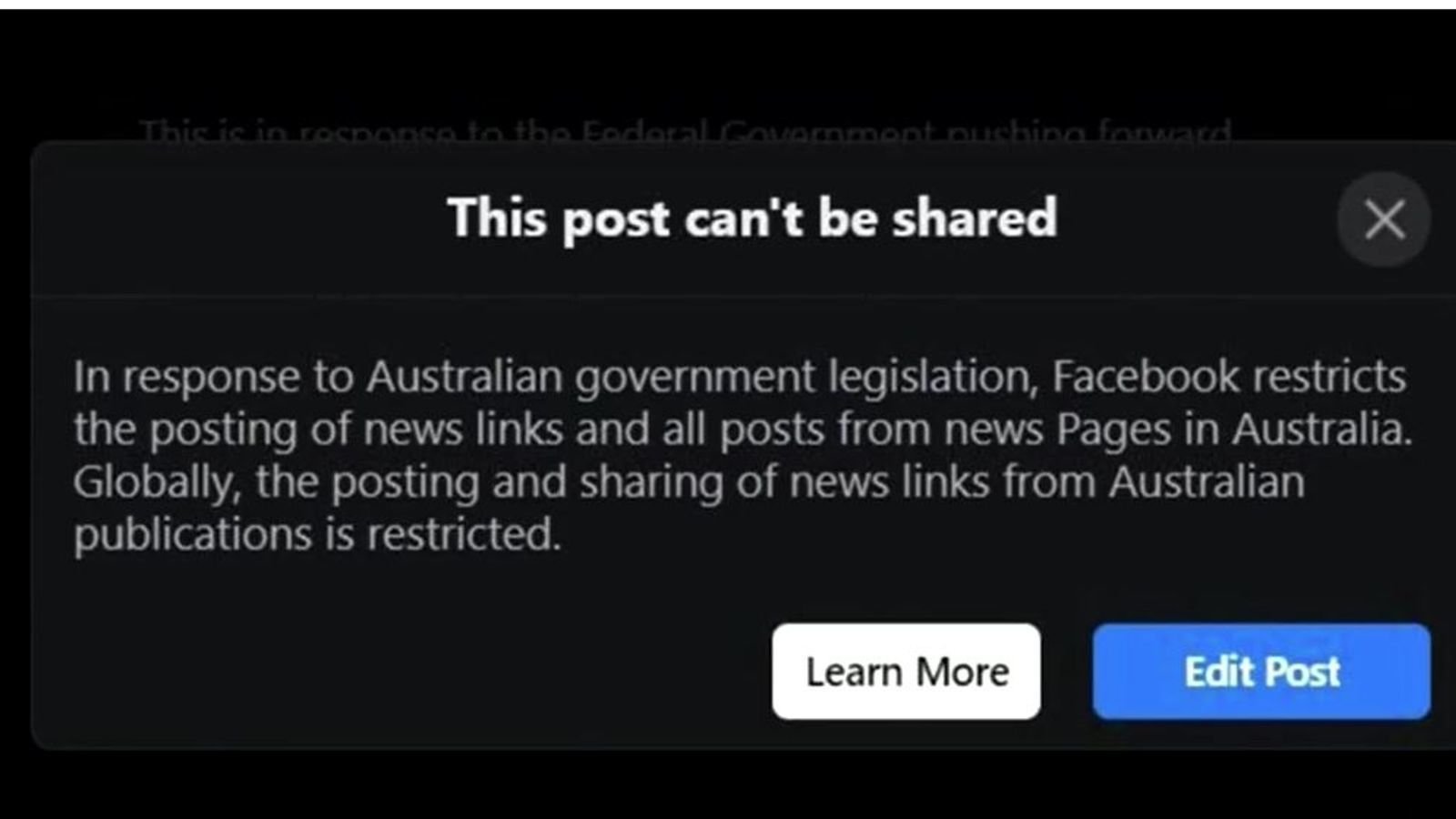 Australian Facebook users are getting this message when they try to share news stories
The US-based social media giant made the move after the Australian House of Representatives approved a law to compel internet companies to pay news organisations.
Facebook said the law, which needs to be passed by the Senate, "fundamentally misunderstands the relationship between our platform and publishers who use it".
Powerful tech companies fear the law could set an expensive precedent for other countries as governments try to catch up with the fast-changing digital world.
Australian Prime Minister Scott Morrison used his Facebook page to react, saying: "Facebook's actions to unfriend Australia today, cutting off essential information services on health and emergency services, were as arrogant as they were disappointing."
Facebook accounts for 23% of Australian online advertising revenue while Google accounts for 53%, according to the government's treasurer, Josh Frydenberg.
Why is Australia trying to get internet companies to pay news organisations?
For two decades, global news outlets have complained internet companies are getting rich at their expense by selling advertising linked to their reports without sharing revenue.
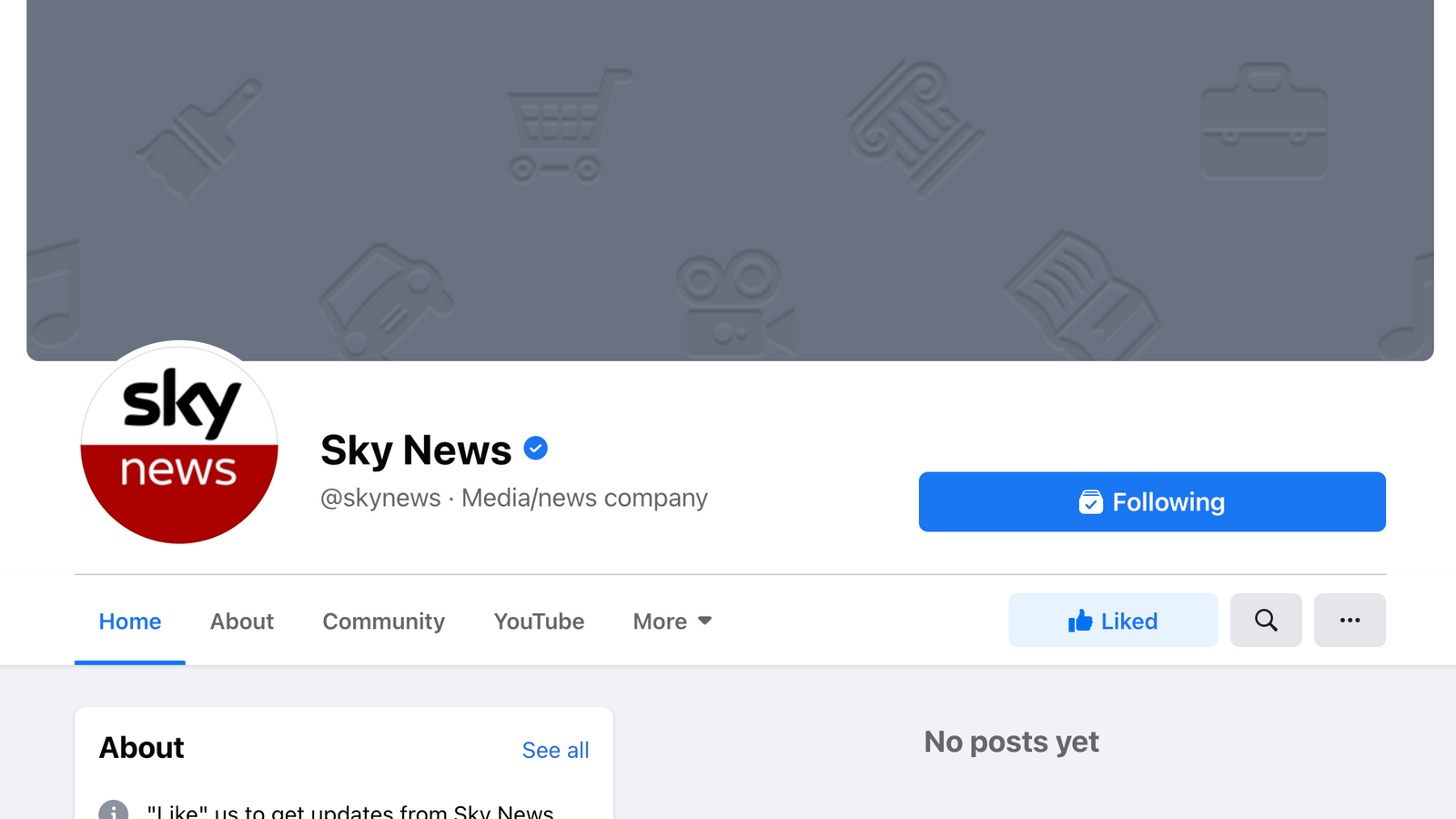 The block also impacted Sky News's Facebook page in the UK
The Australian government wants to redress that balance in the hope more money can go to a news industry that is seeing revenue shrink and, in some cases, being forced to cut coverage.
Canberra's competition regulator tried to negotiate a voluntary payment plan with Google but this failed.
The new proposal was then brought forward which would create a committee to make binding decisions on the price of news reports to help give publishers more negotiating leverage with the internet giants.
Has Google agreed to the plan?
The internet tech giant had threatened to retaliate but announced deals in Australia with Rupert Murdoch's News Corp and Seven West Media, while the Australian Broadcasting Corporation and Nine Entertainment are in negotiations.
No financial details were released but this means news companies now have a new revenue stream.
News Corp, which owns Sky News in Australia - separate from Sky News UK - said it would receive "significant payments" from Google under a three-year agreement which also covers its non-Australian publications such as the New York Post, and the Times and the Sun in the UK.
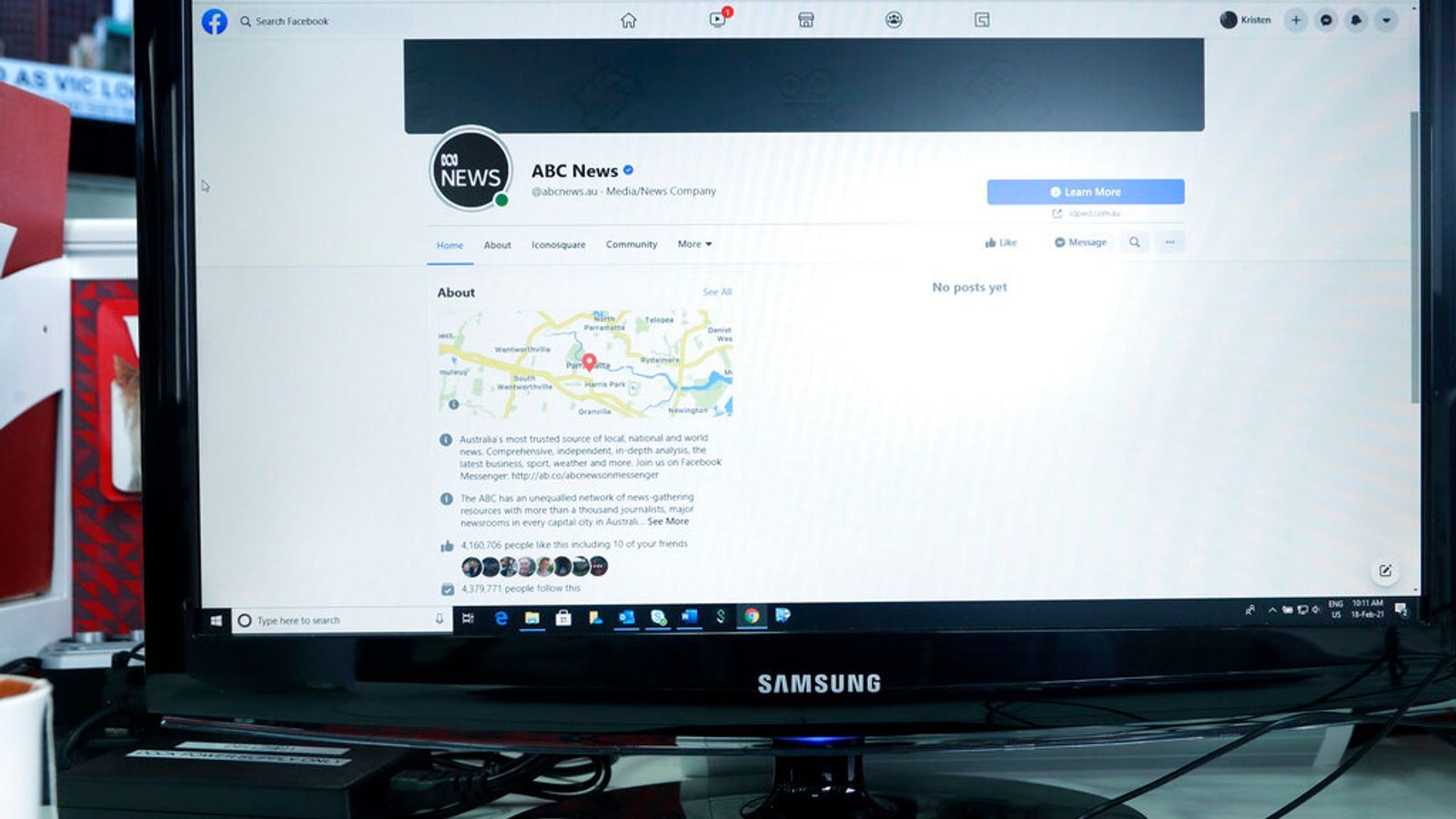 The Australian Broadcasting Corporation's Facebook page was showing without any of its news posts
Does Google's deal translate to more coverage for readers, viewers and listeners?
That remains unclear.
Australia's journalists' union is calling on media companies to make sure online revenue goes into newsgathering "not the boardroom".
Will other countries follow Australia?
The proposed law is the first of its kind, but other countries have been pressuring Google, Facebook and other internet companies to pay news outlets and other publishers for material.
In France, Google had to negotiate with publishers after a court last year upheld an order saying agreements to pay were required by a 2019 European Union copyright directive.
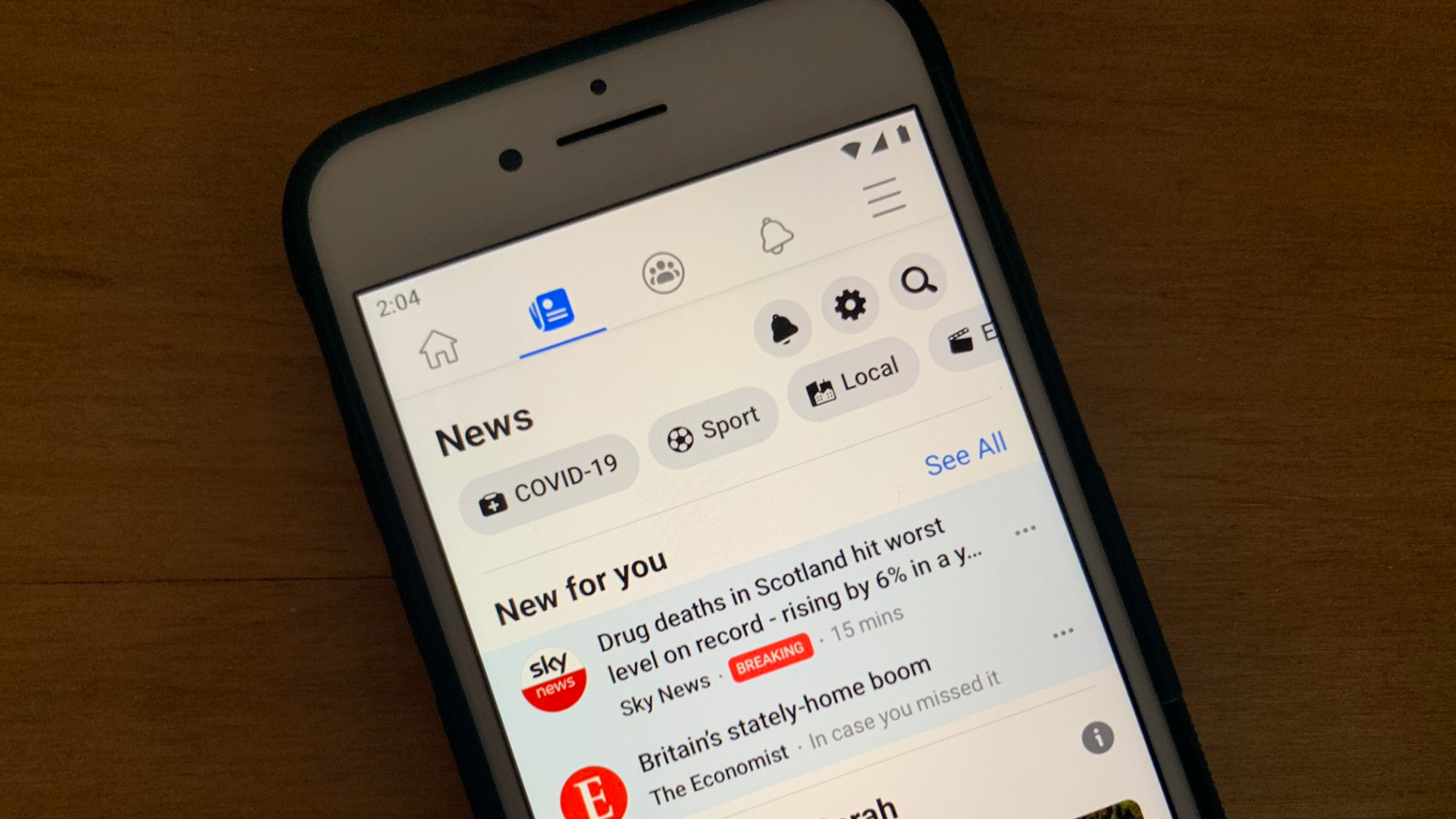 In contrast to the ban, Facebook has launched a News tab in the UK
France is the first government to enforce the rules, but the decision suggests other countries in the 27-nation bloc will enforce the same requirements.
A group of French publishers and Google announced a framework agreement for the search engine to negotiate licensing deals with individual publishers.
Several outlets have deals with Google, including Le Monde newspaper and weekly magazine l'Obs.
Facebook launched a Facebook News tab in the UK after completing deals with many of the country's major news providers, including Sky News, the Financial Times, and The Guardian.
Google shut down its news website in Spain after a 2014 law required it to pay publishers.
And in 2020, Facebook said it would pay US news organisations, including USA Today, The Wall Street Journal and The Washington Post for headlines. No financial details were released.
Following the Google deal, Mr Frydenberg said he was convinced the platforms "do want to enter into these commercial arrangements".
"It's a massive step forward we have seen this week," he said.
"But if this was easy, every other country in the world would have done it already. But they haven't."