Russian missiles struck Volodymyr Zelensky’s hometown of Kryvyi Rih, causing significant destruction and widespread power cuts, while Ukraine retaliated with a long-range drone attack on St Petersburg, Vladimir Putin’s birthplace.
The strikes in southern Ukraine targeted a major electricity substation purported to supply Ukrainian defence infrastructure. Kryvyi Rih’s mayor, Oleksandr Vilkul, said: ‘There are fires. We have begun an emergency rescue operation. The destruction is significant.’
In St Petersburg, known as Leningrad when Putin was born, explosions were reported in central areas, tower blocks were hit and air defences intercepted drones. Pulkovo international airport temporarily suspended flights, and internet connections were disrupted.
One mother described her child’s struggle to sleep during the interceptions. ‘My little one is trying to sleep with a pillow over his head to block out the sound of the machine-gun fire as air defences shoot at drones’, she said.
The disruption extended beyond the two countries. Romania reported a feared drone threat close to its border, prompting the diversion of two NATO F-16 aircraft on duty. That incident brought the risk of the war spreading into sharp practical focus: aircraft were redirected even as leaders disputed how to frame warnings against further escalation.
The exchange followed Zelensky’s criticism of what he described as Donald Trump’s ‘strange’ relationship with the Kremlin and an increasingly sympathetic White House stance towards Putin.
‘We need American position to be…American position. We don’t need signals from the United States which we can get from Russia’, Zelensky said. He compared Putin to Adolf Hitler and described him as an ‘aggressor’, contrasting that with Trump’s description of the Russian leader as a friend.
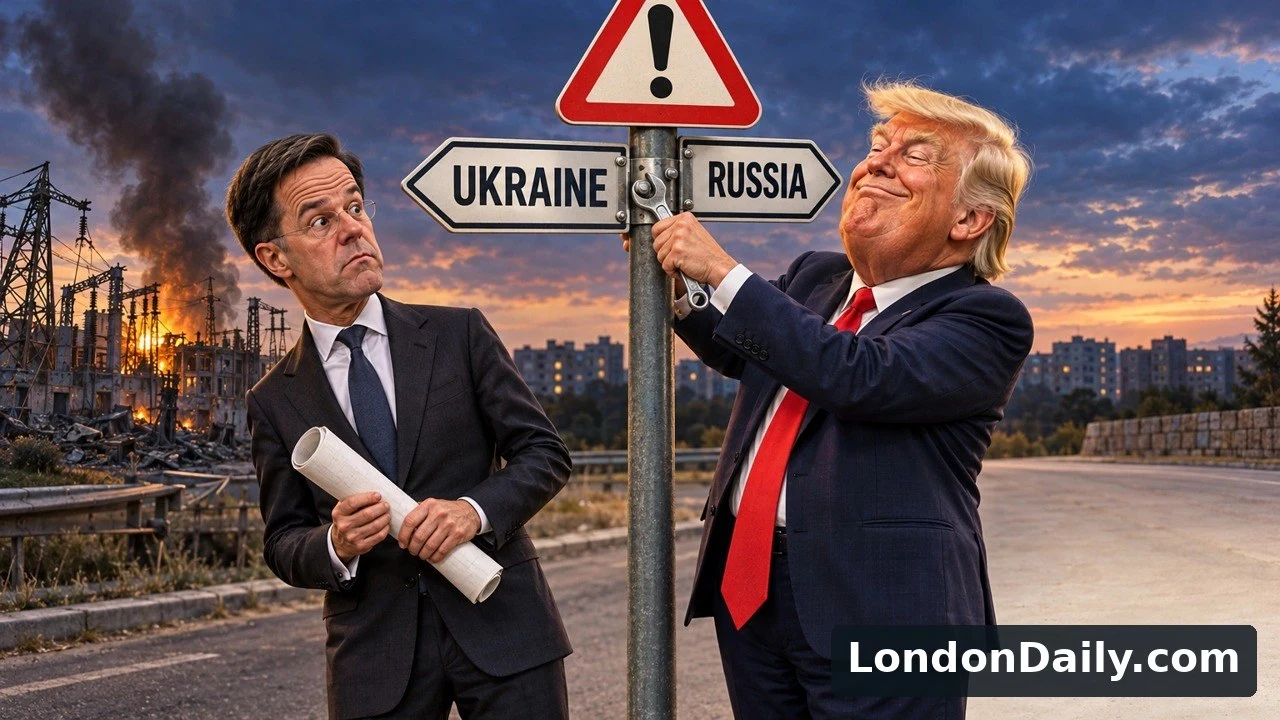
Trump also unilaterally changed the wording of a joint statement with NATO secretary-general Mark Rutte calling for a ‘peaceful resolution’. His Truth Social version made a warning against ‘deliberate or unintentional’ actions that could spread the war apply to both Russia and Ukraine.
Politico reported that the alteration surprised Rutte, who has frequently praised Trump publicly in an effort to maintain NATO unity. The substantive distinction was whom the warning addressed: Trump’s version explicitly placed both countries under the same caution against widening the conflict.








Join the conversation