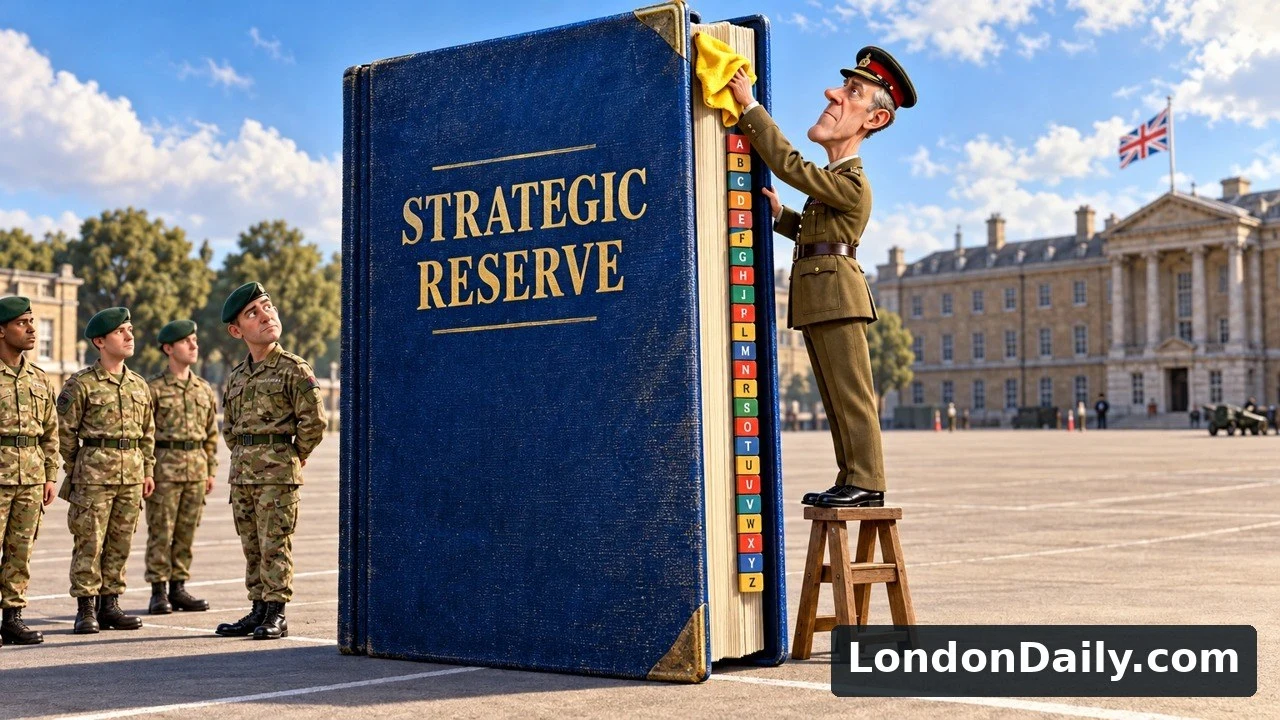
The Ministry of Defence has written to about 100,000 strategic reservists to establish their whereabouts and current skills, strengthening Britain’s ability to recall former service personnel in exceptional circumstances amid increasing threats from Russia.
The letters, the first such exercise since the Cold War, also offer opportunities to volunteer for training and military exercises, including Nato’s Steadfast Defender next spring. They are not mobilisation orders, and ministers say most recipients will never be called back.
Sent across all three services and signed by their respective chiefs, the letters ask veterans to update their contact details and provide information about their civilian employment. Strategic reservists have recently left the Armed Forces but retain a recall obligation, distinguishing them from civilians who volunteer for reserve service.
The practical purpose extends beyond identifying former military specialisms. An Army source said: “Just because you were once a tank driver in the Army, your civilian skills now could be completely different and actually more useful to defence.” The source described establishing who could be contacted and what they could contribute as the first stage of improving readiness.
That effort comes with the British Army’s regular strength approaching 73,000, its smallest size since the Napoleonic Wars. The Government is seeking greater resilience and giving closer attention to Nato’s Article 3, which requires members to maintain their individual and collective capacity to resist armed attack.
Lord Sanders, when Chief of the General Staff, warned that Britain would need to “mobilise the nation” to fight a war with Russia because the Army was too small. Last year’s strategic defence review recommended re-engaging the Strategic Reserve and envisaged a role for every part of society in national defence.
The security backdrop includes Russian cruise missiles and a drone entering eastern Poland, 60 miles from a UK-led military exercise. Poland’s prime minister, Donald Tusk, suggested the area had been targeted as an “intentional provocation” against Britain, Poland and other Nato states.
The ministry described its letters as a “practical step to strengthen preparedness and deterrence, helping reduce the risk of conflict”. Calvin Bailey, the veterans minister, called the exercise “good housekeeping” rather than a precursor to immediate mobilisation.
A new government web section explains the Strategic Reserve’s implications for veterans, families and employers. For recipients, the immediate request is to refresh their details and consider voluntary training; the underlying obligation to return remains reserved for exceptional circumstances.








Join the conversation