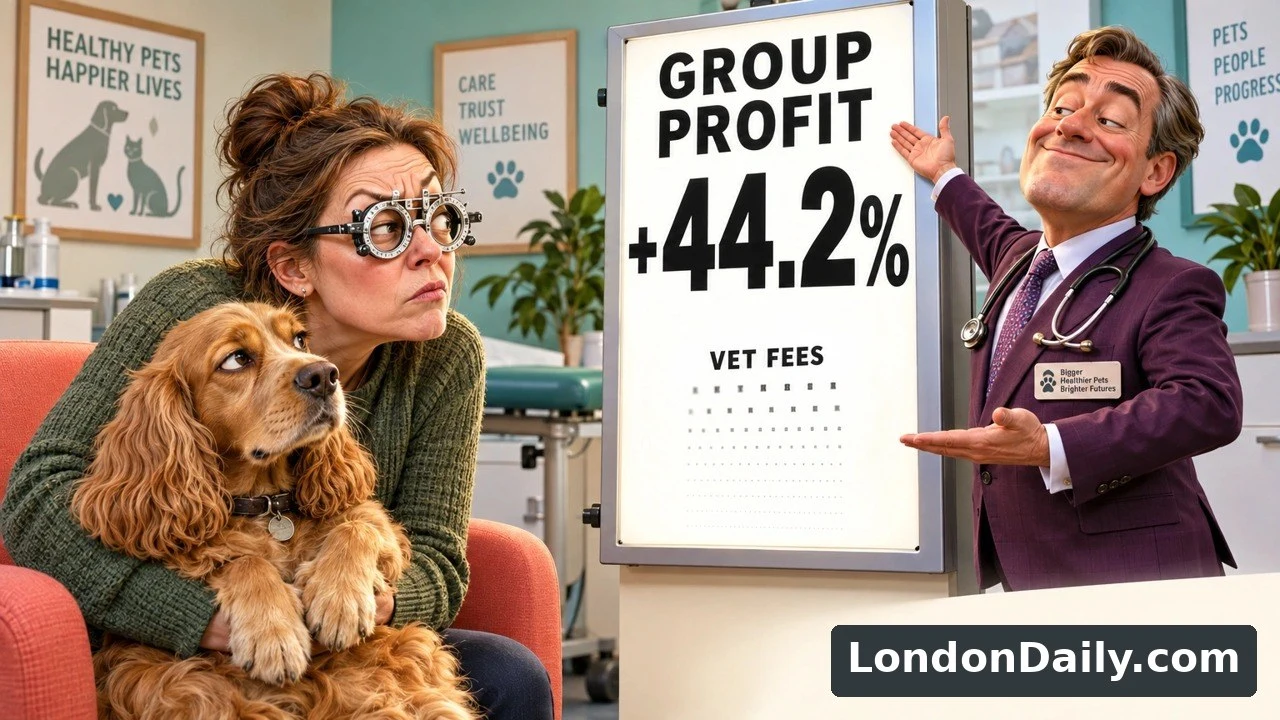
Pets at Home has reported a 44.2% rise in first-half pre-tax profits to £52.2 million, reversing last year’s decline as sales improved and operating costs fell. The retailer and veterinary group now expects annual profits at the top end of its previous £90 million to £101 million guidance.
Shares rose 8% in Wednesday’s midday trading following the results for the six months to 8 October. Revenue increased 3.9%, with retail up 4.4% and the veterinary arm growing 2.3%.
A 1.7% reduction in operating costs also supported earnings. The recovery therefore reflects both stronger trading and savings, rather than sales growth alone. It follows a 28.3% fall in profits in the financial year to March, when sales came under pressure.
Chief executive James Bailey, the former Waitrose boss, took over in March after Lyssa McGowan’s abrupt departure in September amid profit warnings and falling sales. His refreshed strategy concentrates on retail, veterinary services and the recently launched insurance business.
Bailey said: “We are operating more consistently and our focus on delivering for customers has driven sales momentum, increased customer satisfaction and market share gains.”
Jonathan Pritchard, a retail analyst at Peel Hunt, said the company had its “mojo back”. He judged its ambitions for further earnings growth achievable, pointing to improving retail performance and a solid veterinary business that he expected to benefit from an ageing pet population.
A separate update on Wednesday from veterinary chain CVS also indicated growth. It said it remained on course for higher full-year earnings and revenue despite July sales suffering during what it described as “extreme” hot weather. Group revenue rose 6.2% in the four months to 31 October and like-for-like sales increased 2.4%; growth in the three months after July was 3%.
CVS said its chief executive search was in the “final stages”. Richard Fairman announced in March that he would leave for personal reasons but remain until a successor was found.
The updates come as veterinary businesses face proposed changes to the Veterinary Surgeons Act intended to improve transparency and competition. Practices would have to publish prices for common treatments and disclose whether they are independent or part of a chain, alongside greater transparency about treatment options.
The Competition and Markets Authority previously found that veterinary fees had risen at almost twice the rate of inflation and that owners lacked sufficient information about practices and treatment prices. For customers, the proposed changes concern the ability to compare care and costs; the stronger company results do not resolve those concerns.








Join the conversation