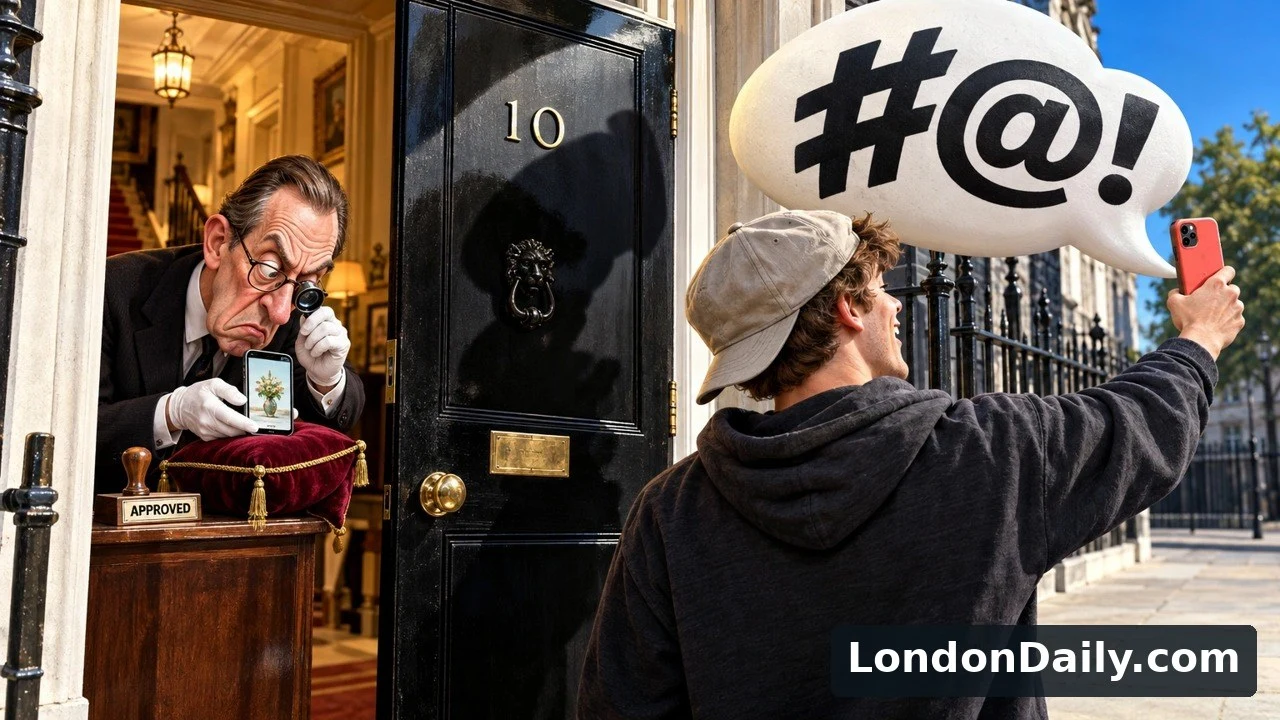
Max Balegde’s TikTok outside No 10 has drawn ministerial condemnation and put Downing Street’s influencer strategy under scrutiny, after a reception intended to help the government reach younger audiences.
Balegde mouthed the words “bomboclaat pussywagon chicken nugget” in the clip. Bridget Phillipson, the women and equalities minister, called it “totally unacceptable”; Kemi Badenoch accused the prime minister of “degrading” Downing Street and described the language as “disgusting and pejorative comments about women’s private parts”.
Balegde deleted the post and apologised to anyone offended. He also said it had been online for weeks without difficulty “until revolting rightwing people tried to put this disgusting narrative on it”.
The recording sat outside the reception’s content controls. Attendees said they could not take their phones inside, receiving devices instead; footage was checked and material deemed appropriate returned to them. Balegde said he briefly used his own phone outside as he left.
At prime minister’s questions on Wednesday, Andy Burnham called the video “wrong” and “not acceptable”, noting its deletion and Balegde’s apology. But he defended engaging creators: “Young people are looking to these people for their information, and I won’t apologise for doing that.” He accused Badenoch of sneering at TikTokers and influencers.
About 60 creators attended the reception earlier this month, where Burnham showed Instagram bloopers and explained his efforts to reach people “where they were at”. The approach began under Keir Starmer, who hosted the first such reception in July last year, and has expanded under Burnham. Influencers have also accompanied political journalists on foreign trips over the past year.
Critics argue that creators risk becoming instruments of government communications and may lack political journalists’ breadth of policy knowledge and readiness to ask difficult questions. Access and audience reach do not, by themselves, establish independent scrutiny.
Artist Sophie Terry, known as Sophie Tea, offered a different account of the bargain. With more than 2 million followers across Instagram and TikTok, she called it “mutually exploitative”, arguing that many creators were self-made entrepreneurs unlikely to reject such an opportunity. Invited to paint a work for Downing Street, she said it would not be one of her familiar female nudes.
Sophie Pender, founder of The 93% Club, defended invitees’ expertise while affirming journalism’s scrutiny role. Her argument was for collaboration: detailed reporting cannot inform people it does not reach, and creators can help it “cut through the algorithm”. The unresolved distinction is between widening access to information and strengthening accountability.








Join the conversation