Nathan Law Warns of Chinese Intelligence Activity in the UK as Security Concerns Intensify
The Hong Kong activist says surveillance of dissidents abroad reflects a broader pattern of Chinese state pressure, amid ongoing UK debates over espionage, foreign interference, and national security safeguards.
The debate over foreign intelligence activity in the United Kingdom has sharpened following comments by Hong Kong pro-democracy activist Nathan Law, who said he is “not surprised” by allegations of Chinese spying operations targeting dissidents and political activists on British soil.
The core issue is the increasing concern among Western governments that Chinese state-linked actors may be conducting surveillance, intimidation, or influence operations against individuals abroad who are critical of Beijing, including exiled activists, journalists, and political figures.
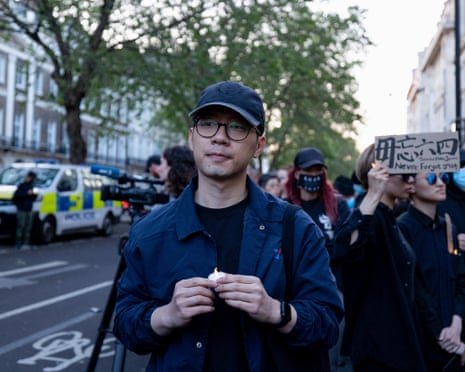
Law, who left Hong Kong after the imposition of the national security law in 2020, has become one of the most prominent overseas voices in the pro-democracy movement.
His comments come amid heightened scrutiny of foreign interference in the United Kingdom, where security services have repeatedly warned that hostile states are attempting to gather intelligence, shape public discourse, and monitor diaspora communities.
While specific operational details remain classified, UK authorities have publicly acknowledged investigations into alleged espionage networks and foreign influence activities in recent years.
What is confirmed is that British security agencies treat China as one of several state actors capable of conducting advanced intelligence operations, alongside Russia and Iran.
The UK government has also expanded legal frameworks aimed at countering covert foreign activity, including new registration requirements for political influence operations and increased enforcement powers for counter-espionage investigations.
Law’s remarks reflect a broader pattern reported by exiled activists who say they experience digital surveillance, harassment, and intimidation attempts even after leaving Hong Kong.
Some have reported monitoring of their public events, online communications, and contacts with other activists.
These claims, while widely discussed, vary in evidentiary support and are often difficult to independently verify due to the covert nature of intelligence activity.
The issue sits within a wider geopolitical context in which Western governments have reassessed their approach to China, balancing economic engagement with heightened security concerns.
The UK, like several allied countries, has tightened scrutiny of Chinese investments in sensitive infrastructure and increased monitoring of academic and technological collaboration in strategic sectors.
At the same time, Beijing has consistently rejected allegations of overseas espionage or intimidation campaigns, describing such claims as politically motivated and unfounded.
Chinese officials have stated that they respect the sovereignty of other states and do not interfere in internal affairs.
The result is an increasingly contested security environment in which intelligence allegations, diplomatic tensions, and civil liberties concerns intersect.
For activists like Nathan Law, the focus is on personal safety and political freedom abroad.
For governments, the challenge lies in distinguishing legitimate diplomatic or cultural activity from covert influence or intelligence gathering.
What is clear is that concerns over foreign state activity in the UK are no longer abstract or theoretical.
They are now part of an active policy debate shaping legislation, policing priorities, and diplomatic relations with major global powers.
The core issue is the increasing concern among Western governments that Chinese state-linked actors may be conducting surveillance, intimidation, or influence operations against individuals abroad who are critical of Beijing, including exiled activists, journalists, and political figures.
Law, who left Hong Kong after the imposition of the national security law in 2020, has become one of the most prominent overseas voices in the pro-democracy movement.
His comments come amid heightened scrutiny of foreign interference in the United Kingdom, where security services have repeatedly warned that hostile states are attempting to gather intelligence, shape public discourse, and monitor diaspora communities.
While specific operational details remain classified, UK authorities have publicly acknowledged investigations into alleged espionage networks and foreign influence activities in recent years.
What is confirmed is that British security agencies treat China as one of several state actors capable of conducting advanced intelligence operations, alongside Russia and Iran.
The UK government has also expanded legal frameworks aimed at countering covert foreign activity, including new registration requirements for political influence operations and increased enforcement powers for counter-espionage investigations.
Law’s remarks reflect a broader pattern reported by exiled activists who say they experience digital surveillance, harassment, and intimidation attempts even after leaving Hong Kong.
Some have reported monitoring of their public events, online communications, and contacts with other activists.
These claims, while widely discussed, vary in evidentiary support and are often difficult to independently verify due to the covert nature of intelligence activity.
The issue sits within a wider geopolitical context in which Western governments have reassessed their approach to China, balancing economic engagement with heightened security concerns.
The UK, like several allied countries, has tightened scrutiny of Chinese investments in sensitive infrastructure and increased monitoring of academic and technological collaboration in strategic sectors.
At the same time, Beijing has consistently rejected allegations of overseas espionage or intimidation campaigns, describing such claims as politically motivated and unfounded.
Chinese officials have stated that they respect the sovereignty of other states and do not interfere in internal affairs.
The result is an increasingly contested security environment in which intelligence allegations, diplomatic tensions, and civil liberties concerns intersect.
For activists like Nathan Law, the focus is on personal safety and political freedom abroad.
For governments, the challenge lies in distinguishing legitimate diplomatic or cultural activity from covert influence or intelligence gathering.
What is clear is that concerns over foreign state activity in the UK are no longer abstract or theoretical.
They are now part of an active policy debate shaping legislation, policing priorities, and diplomatic relations with major global powers.