London Daily

Focus on the big picture.
Monday, Jul 13, 2026

Metro owner accuses Facebook of 'blackmail' over Australia news content row

Metro owner accuses Facebook of 'blackmail' over Australia news content row

The company which owns Metro, as well as other newspapers, has accused Facebook and Google of ‘blackmail’ over the news content row in Australia.

It comes after Facebook blocked news content on its service in Australia last week over a proposed new law that would have seen it and Google forced to pay publishers for news.

Pages on the social networking site appeared blank during the block.

After discussions with Facebook, Australia agreed to amend the bill – which passed in parliament on Thursday – and the social network agreed to lift the ban on sharing news.

In a letter to the Financial Times, Lord Rothermere, chairman of Daily Mail and General Trust (DMGT), said ‘politicians should be very worried’ about the incident.

It reads: ‘For years Google and Facebook have plundered news content without paying for it while at the same time extracting ever greater profits from advertising markets they dominate.
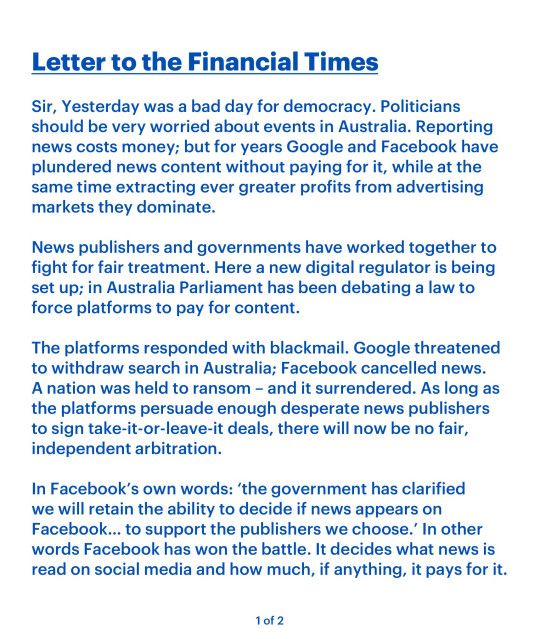

‘News publishers and governments have worked together to fight for fair treatment. In the UK, a new digital regulator is being set up; in Australia, parliament has been debating a law to force platforms to pay for content.

‘The platforms responded with blackmail. Google threatened to withdraw search in Australia; Facebook cancelled news. A nation was held to ransom – and it surrendered.

‘As long as the platforms persuade enough desperate news publishers to sign take-it-or-leave-it deals, there will now be no fair, independent arbitration.’

The full letter, headlined ‘Big Tech’s Australia deal imperils democracy’, can be read here.

On Wednesday, Facebook’s head of global affairs, Sir Nick Clegg, said the stand-off had been the result of a ‘fundamental misunderstanding’ of the relationship the firm had with news publishers.

He argued that the publishers choose to share their stories on social media because they ‘get value from doing so’.

In a blog on Facebook, he said: ‘If you click a link that’s shared on Facebook, you are directed off the platform to the publisher’s website. In this way, last year Facebook generated approximately 5.1 billion free referrals to Australian publishers worth an estimated AU$407 million to the news industry.’
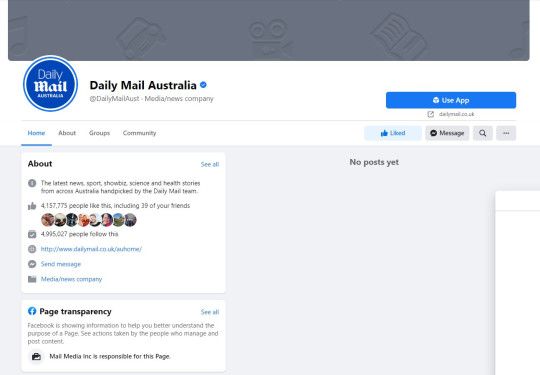
Last week, Facebook blocked news appearing in Australia
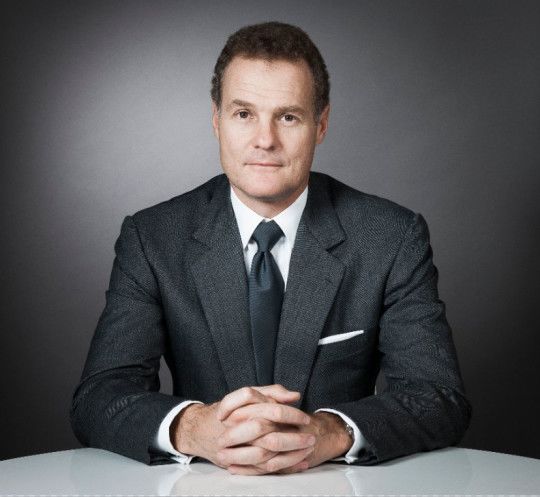
Lord Rothermere wrote the letter to the Financial Times on behalf of DMGT


He added that Facebook’s opposition to the initial bill was around a proposed arbitration system, which Sir Nick claimed ‘deliberately misdescribes the relationship between publishers and Facebook’.

‘It’s like forcing carmakers to fund radio stations because people might listen to them in the car – and letting the stations set the price,’ he said.

But Lord Rothermere – whose company owns the Daily Mail, Mail on Sunday, Mail Online, the i as well as Metro – said the Australian deal meant Facebook was setting its own rules.

Facebook has won the battle. It decides what news is read on social media and how much, if anything, it pays for it,’ he said, calling on governments to respond with tighter regulation.

‘Politicians everywhere have watched events in Australia with increasing alarm,’ he said. ‘Now they must ask themselves, who makes the rules?

‘Do the platforms decide what news the public can read in secret deals with the publishers they favour? Or will governments and regulators act with genuine resolve, to ensure fair and transparent treatment for all?’


Newsletter

Related Articles

0:00
0:00
Close
World Cup Visitors Turn American Big-Box Stores Into Souvenir Stops
Netflix Weighs Always-On Channels, Bundles and Short-Form Video
Passenger Is Pulled Partly Outside Ryanair Jet After Window Fails Mid-Flight
Innovation-led growth strategy
Public service reform pressure
Defence and industrial security
Labour leadership transition and economic reset
Northern England Pushes for Greater Influence in Britain’s Future Economic Model
UK Technology Strategy Focuses on Life Sciences, Digital Innovation and Research Investment
Britain and United States Maintain Focus on Pharmaceuticals Cooperation and Industrial Growth
UK Public Services Face Continued Pressure as Government Promises Visible Improvements
Regional Economic Power Becomes Key Theme in Britain’s Next Political Phase
Britain Expands Support for Small Businesses as Firms Seek Better Access to Finance
UK Economy Remains Central Political Challenge as Cost of Living and Growth Concerns Persist
National Health Service Introduces New Workplace Reviews to Improve Conditions for Healthcare Staff
UK Life Sciences Sector Secures More Than Three Billion Pounds in Investment to Support Innovation
Britain Strengthens Defence Strategy as Security Concerns Reshape Military and Industrial Policy
Andy Burnham Promises Stronger UK Defence Industry and Expanded Domestic Production
UK Government Faces Difficult Spending Choices as Labour Leadership Transition Approaches
Rachel Reeves Warns Andy Burnham of Immediate Economic Challenges After Expected Leadership Change
Andy Burnham Prepares to Lead UK Government With Plans for Regional Power Shift and Economic Reset
Government Creates Emergency Support Scheme for Financially Struggling Universities
United Kingdom Replaces Traditional Farm Subsidies With Payments Linked to Environmental Performance
National Grid Reports First Week of Electricity Generation Without Fossil Fuels
United Kingdom Financial Regulator Introduces Tougher Capital Rules for Cryptocurrency Exchanges
Belfast Harbour Expands Operations to Attract Investment Through United Kingdom and European Union Market Access
Scottish Government Threatens Legal Challenge Over Westminster Cuts to North Sea Transition Funding
United Kingdom Accelerates Trans-Pennine High-Speed Rail Project Linking Northern Cities
United Kingdom Secures Ten Billion Pound Investment for Cambridge Quantum Computing Campus
Port Talbot Steelworks Wins Support for Green Hydrogen Transition and Protection of Industrial Jobs
United Kingdom Sends Royal Navy Carrier Strike Group to Indo-Pacific as Regional Security Focus Expands
National Health Service Expands Artificial Intelligence Diagnostics Across England to Reduce Screening Backlogs
United Kingdom Launches Fifty Billion Pound Infrastructure Fund to Accelerate Housing and Construction
UK Medical Chiefs Update Health Guidance to Promote Everyday Physical Activity
Office of Communications Keeps Wikipedia Under Review Under UK Online Safety Rules
UK Defence Ministry Expands Deep-Strike Capability Through Precision Missile Programme
Russell Group Universities Warn Funding Cuts Could Damage NHS Workforce Training
UK Parliament Calls for National Emergency Broadcast as Heatwave Conditions Intensify
UK and Netherlands Strengthen Naval Cooperation With New Amphibious Defence Partnership
UK Defence Ministry Joins International Missile Programme With One Hundred and Ninety Million Pound Investment
Bank of England Warns Middle East Conflict and AI Risks Could Pressure UK Economy
UK Government Introduces New Rules to Limit Foreign Influence in Political Donations
UK and France Prepare Naval Mission to Protect Shipping Through Strait of Hormuz
United States Pressures UK to Increase Defence Spending at NATO Summit
Bank of England Warns Artificial Intelligence Investment Boom Could Create Financial Stability Risks
Bank of England Begins Direct Oversight of Critical Technology Providers Supporting UK Finance
Andy Burnham Set to Become UK Prime Minister After Labour Leadership Race Clears Path to Downing Street
Scottish Fishing Industry Calls for Emergency Support Amid Rising Costs
UK Supports Stronger European Response to Russian Actions in Ukraine
Devon and Cornwall Police Release Suspect in Ann Widdecombe Murder Investigation
×