London Daily

Focus on the big picture.
Friday, Sep 04, 2026

Luxury goods in demand: Fashion firms enjoy strong sales growth

Luxury goods in demand: Fashion firms enjoy strong sales growth

LVMH has become the latest luxury goods firm to cheer high demand and sales growth, as the sector bounces back from the difficulties seen during the pandemic, writes Joanna Bourke.

uch of 2020 is a time plenty of luxury retailers would like to forget. Memories of having to temporarily close stores at various points for lockdowns, travel restrictions stopping well-heeled shoppers from visiting branches and consumer uncertainty are not pretty.

But Covid-19 restrictions have been easing recently, and this month so far has seen a host of positive updates from the luxury goods sector. The industry has seen big digital growth, while customers appear to be enjoying spending sprees now stores have reopened in England.

So what companies are recording growth, and why is demand so high? Will the luxury sector still be quite so in fashion with shoppers and investors later this year?

Firms having a good time of it


Looking at revenue rises, Louis Vuitton owner LVMH yesterday revealed a 56% jump to €28.7 billion in the first half. Of course a year earlier there was mega disruption from the coronavirus outbreak, but the company also pointed out that organic revenue growth was still 11% higher than the same period in 2019, pre-Covid.

LVMH said it had seen sustained revenue growth in Asia and US, and a gradual recovery in Europe. It also cheered a “remarkable” performance from the fashion and leather goods arm. Brands such as Louis Vuitton, Christian Dior and Fendi are all gaining market share.

FTSE 100 company Burberry, which has just opened a new shop on Sloane Street, and AIM-listed Mulberry have this month reported on encouraging growth. Meanwhile Covent Garden landlord Capco has observed some of its luxury tenants recording strong demand.

Why so many spending sprees?


Bernstein analyst Luca Solca reckons what was a ‘perfect storm’ for retailers last year has calmed down, and there is now “perfect sunshine for luxury goods spend”.

He points to people wanting to get back to more normal life, some customers having saved plenty of money during the pandemic, and many governments pouring money into economies supporting workers.

Susannah Streeter, a analyst at Hargreaves Lansdown, says: “After rolling lockdowns, release from confinement has unleashed a wave of celebratory spending power. Many wealthier individuals have been in the enviable position of piling up savings over the pandemic.”

Streeter adds: “With foreign holidays and expensive meals off the social calendar for months at a time, this pent up demand is translating into the purchase of luxury treats. While a holiday to Bali or the Maldives may still be problematic, the latest Louis Vuitton handbag is a welcome substitute.”

She also says luxury brands have the financial fire power to sign up influencers, which continues to entice a number of customers.
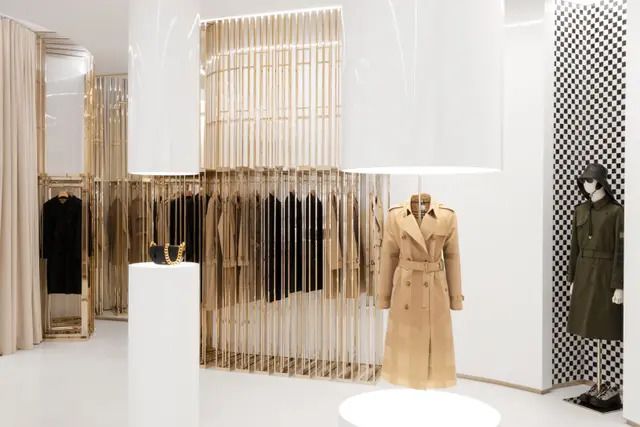
Burberry has opened a new Sloane Street store

Will the growth continue?

A July report from RBC Capital Markets looks at reasons why “over-consumption of luxury is likely to continue” in the second half.

It said the key conclusion from its analysis is that economic factors remain supportive for the sector in the next six to 12 months.

It said: “Excess savings, wage inflation, asset price inflation all contribute to increasing disposable income and ‘feel good’ factors which are relevant in the purchasing decision pathway for luxury goods.”

The report also says younger consumers accounted for more than half of total demand for the first time in 2020, “which implies successful new customer recruitment into the luxury sector”. A number of brands have invested more in digital to attract new and existing shoppers.

Many companies are also expecting footfall to rise as travel restrictions ease further.

In LVMH’s results, chief executive Bernard Arnault said he believes the company is in a position to continue to grow.

The industry is not immune from further pandemic disruption, for example if there were lockdowns again. But, bosses are likely to feel optimistic about growth prospects and the savings that numerous high end fashion fans will be looking to spend.

Newsletter

Related Articles

0:00
0:00
Close
Breeding Tropical Mosquitoes Discovered in East London
Sadiq Khan Agrees to Search of Digital Communications in Palantir Lawsuit
Scottish Protesters Call for Moratorium on AI Data Centre Expansion
Uber Drivers Bring London Class Action Over Algorithmic Management
Reform UK Accepts £4 Million Donation From Cryptocurrency Billionaire Pardoned by Trump
Justice Secretary Tightens Early Release Scheme to Exclude Manslaughter Offenders
Kemi Badenoch Reshuffles Conservative Team as Reform UK Pressure Grows
British Mortgage Rates Rise as Global Bond Sell-Off Pushes Up Borrowing Costs
UK Records Hottest Summer on Record in 2026
UK Government Urges Households to Stock Essential Supplies Ahead of Severe El Niño Risk
UK Prepares Targeted Sanctions Over Israeli Settlements in West Bank
Reform UK Faces Electoral and Police Scrutiny Over Foreign Donation Allegations
UK and France Expand Channel Migration Cooperation as Trade Tensions Surface
UK Marks Merchant Navy Day With Tribute to Civilian Seafarers
Burnham Pays Tribute to Two Police Officers Killed on Duty in Northern England
Booking.com Left Fake Downing Street Listing Online for Two Months, Which Says
Burnham and Macron to Review UK-France Cooperation on Channel Crossings
UK Business Confidence Improves Slightly but Investment Concerns Persist
Burnham Faces Pressure Over Future North Sea Oil and Gas Licences
Burnham Pushes Wider English Devolution Through ‘Number Ten North’
British Chambers of Commerce Raises 2026 UK Growth Forecast to 1%
Keir Starmer Resigns as Holborn and St Pancras MP, Triggering By-Election
UK Chancellor Faces Tighter Budget Headroom as Long-Term Borrowing Costs Rise
UK Government Weighs Thames Water Nationalisation as Financial Crisis Deepens
Prime Minister Andy Burnham Faces First Commons Questions Over Tax and Spending Plans
Eleven British Seafarers Receive Merchant Navy Medal
Which? Creates Fake 10 Downing Street Rental Listing to Expose Booking.com Vetting Weaknesses
BP Appoints New Chairman in Effort to Stabilise Leadership
Aberdeen Sells Hydrogen Bus Fleet at Heavy Loss After Green Transport Experiment
UK Records Hottest Summer on Record as Climate Change Intensifies Extreme Heat
Scotland Pledges to End Temporary Accommodation for Children and Build 111,000 Affordable Homes
DNO Agrees $396 Million Deal to Acquire Capricorn Energy
Uber and Wayve Launch UK’s First Supervised Autonomous Ride-Hailing Service in London
Britain Expected to Avoid New US Tariffs Targeting European Union
Middle East Conflict Pushes UK Energy Costs Higher and Revives Inflation Concerns
UK Growth Forecast Cut to 1% Through 2027 as Youth Unemployment Is Projected to Rise
Andy Burnham Links Weak UK Growth to Brexit in First Full Commons Session as Prime Minister
Keir Starmer Resigns as MP, Triggering Holborn and St Pancras By-Election
UK Business Confidence Improves but Remains Deeply Negative
Aberdeen Hydrogen Bus Sale Recovers Just Six Pence for Every Pound Invested
Which? Exposes Booking.com Verification Failures With Fake 10 Downing Street Listing
British Business Bank Invests Up to £46 Million in Deep-Tech Startup Fund
Scottish Government Puts Violence Against Women at Center of Legislative Program
FCA Eases UK IPO Rules to Strengthen London’s Listing Market
UK Likely to Avoid Next US Tariff Measures as Washington Targets EU
Macron Visits UK for Bayeux Tapestry Exhibition and Border Security Talks
British Chambers of Commerce Cuts UK Growth Outlook to 1% for 2026 and 2027
Keir Starmer Resigns as MP for Holborn and St Pancras, Triggering By-Election
Prime Minister Andy Burnham Unveils Devolution and Cost-of-Living Agenda
UK Borrowing Costs Surge as 30-Year Gilt Yield Reaches 5.88%
×