London Daily

Focus on the big picture.
Wednesday, Oct 21, 2026

Luxury giants quit Russell Street, once the world’s priciest retail strip

Luxury giants quit Russell Street, once the world’s priciest retail strip

Rolex, Omega, Kiehl’s and La Perla have all closed stores in Hong Kong’s Causeway Bay shopping hub in recent weeks, following Prada’s exit, amid slump caused by protests and Covid-19 pandemic.

Russell Street in Causeway Bay, Hong Kong, one of the city’s premier shopping destinations and often in the past the one with the world’s highest commercial real-estate rents, is a shadow of its former self.

Watch brand Rolex, lingerie label La Perla, skincare brand Kiehl’s and watchmaker Omega have all closed stores in the prime retail location in recent weeks, following in the footsteps of Prada, which was the first major global brand to on the street to shut up shop this year.

La Perla signed a five-year lease in September 2015 for four floors, the rooftop and external LED display at 22-24 Russell Street, Hong Kong Land Registry records show.

It was paying HK$7 million (US$903,000) rent a month to Emperor International Holdings for the 6,555 square foot (609 square metre) property, or HK$1,068 per square foot, according to sources. Its lease expires this month.

In 2018, La Perla faced eviction from its Russell Street store after the landlord claimed the Italian brand owed HK$9.21 million in rent.
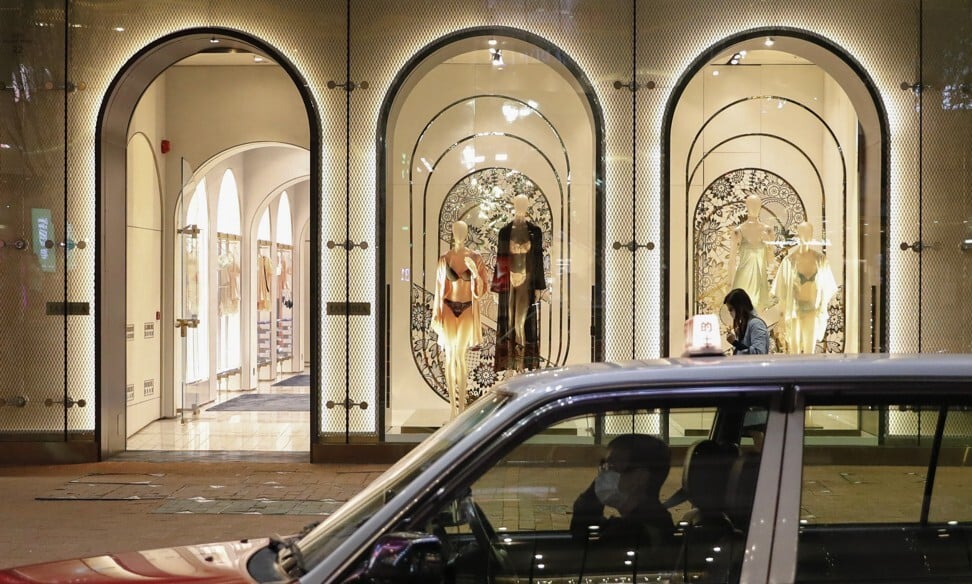

Russell Street was as empty as its luxury stores, such as that of Italian lingerie firm La Perla, in February 2020 as the coronavirus outbreak kept shoppers away.


Kiehl’s, the New York-based skincare brand owned by French conglomerate L’Oreal, was paying between HK$600,000 and HK$700,000 a month for its 800 sq foot store at 28 Russell Street.

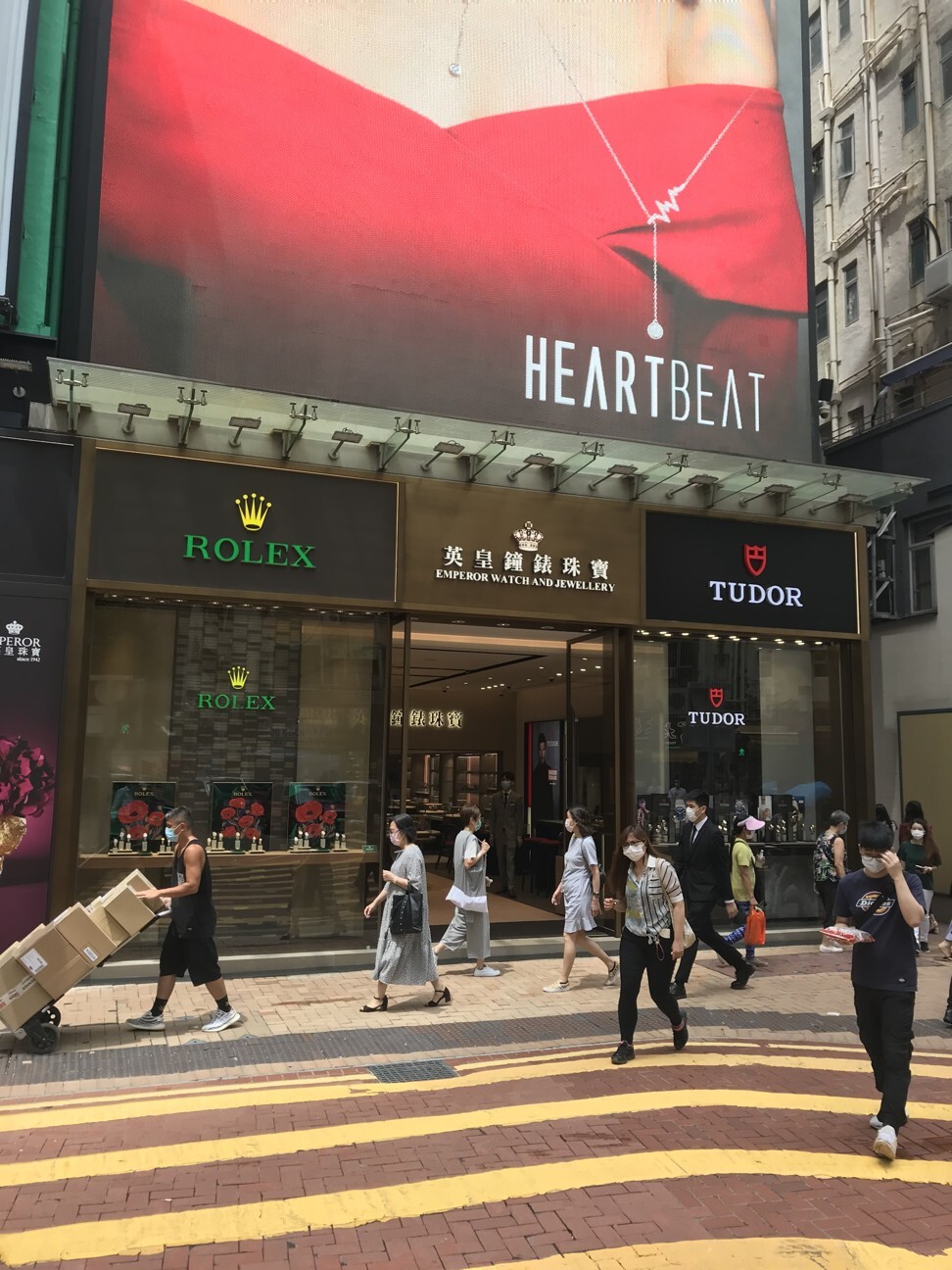
Both it and La Perla have confirmed they are permanently closing their Russell Street stores. Meanwhile Rolex, whose store occupied a prime location next to Prada’s, has downsized to a smaller boutique down the street, opened in partnership with retailer Emperor Watch and Jewellery and its sister brand Tudor.

Prada originally planned to close its Russell Street store in June 2020, but shut in early February at the beginning of the outbreak of Covid-19, the pandemic that has wreaked havoc on the global economy and has battered the luxury industry.

According to consultancy Bain & Company, the global luxury market is expected to contract by between 35 per cent and 39 per cent in 2020.

Hong Kong, which before the outbreak of Covid-19 had been dealing with months of anti-government protests that caused a plunge in Chinese travellers
, has been a hub for luxury shopping in Asia for years.

The protests and the pandemic have caused one of the worst economic downturns in Hong Kong’s history and have taken a huge toll on the city’s retail sector.
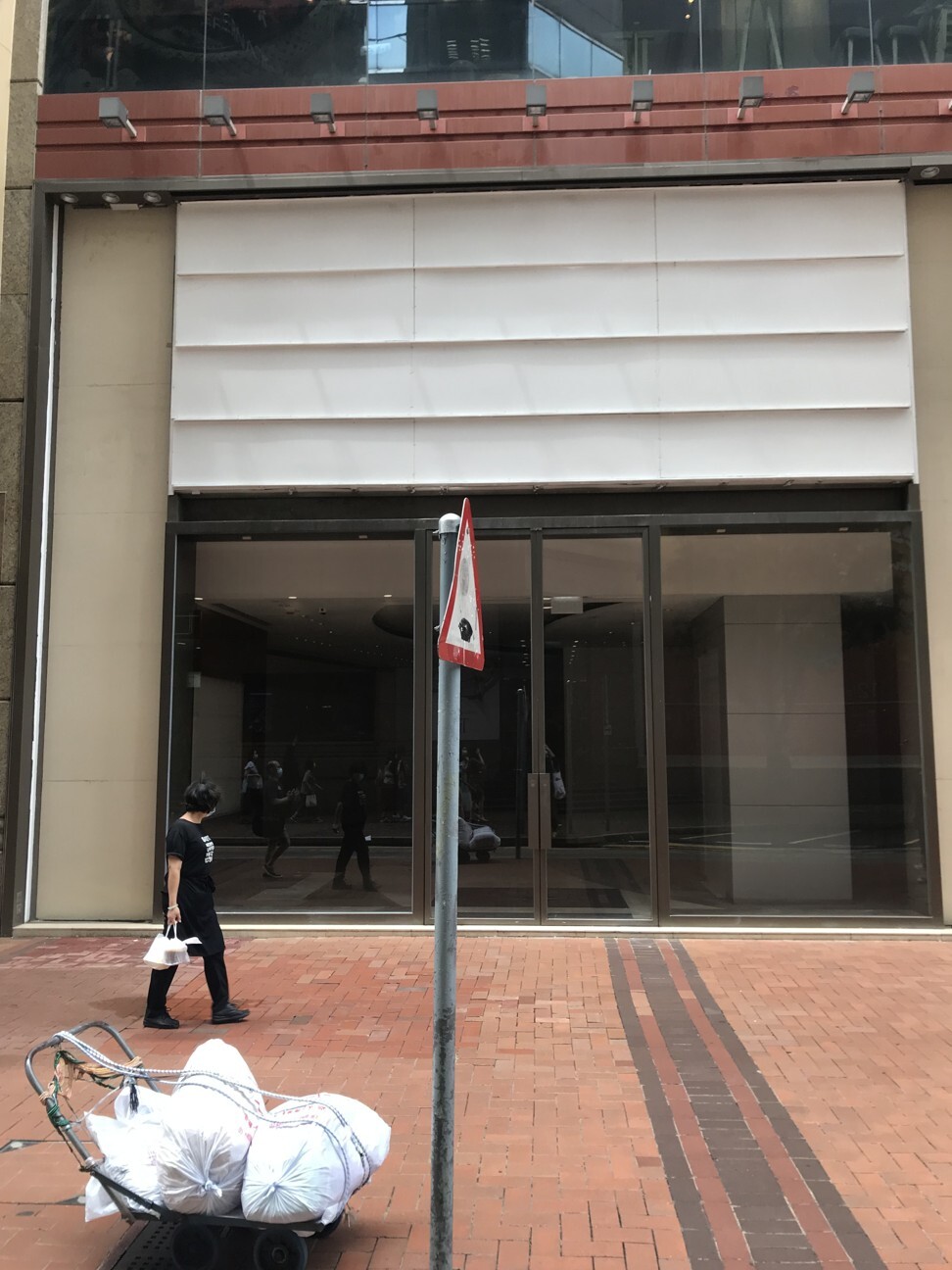
The former Rolex store on Russell Street, Causeway Bay.


The new Rolex and Tudor stores on Russell Street.


The value of total retail sales in May 2020 was provisionally estimated at HK$26.8 billion, a drop of 32.8 per cent compared with the same month in 2019. Jewellery, watches, cosmetics and clothing were the worst affected categories, with a plunge in sales of almost 70 per cent for jewellery and watches alone.

According to real-estate firm Cushman & Wakefield, rental declines have accelerated across most retail districts in 2020. Causeway Bay was the hardest hit area.

In 2015 the average commercial rent in Causeway Bay was HK$2,094 per square foot, while in the second quarter of 2020 it was HK$969 per square foot, making the Tsim Sha Tsui neighbourhood on the other side of Victoria Harbour more expensive than Causeway Bay for the first time.

Vacancy rates have also continued to climb in all shopping areas, rising more markedly after the beginning of the anti-government protests in June 2019. In the second quarter of 2020 vacancies in Causeway Bay climbed to an all-time high of 7.9 per cent, while in Central and Tsim Sha Tsui in the same period they reached around 12 per cent and in Mong Kok, another neighbourhood on the Kowloon peninsula, they touched 23 per cent.

While some commercial landlords have been willing to offer rent concessions for tenants, the terms have often been less than favourable. Earlier this year a number of retailers, including fashion brands Lacoste and Moschino, staged a strike by closing their stores for a day to demand rent cuts.
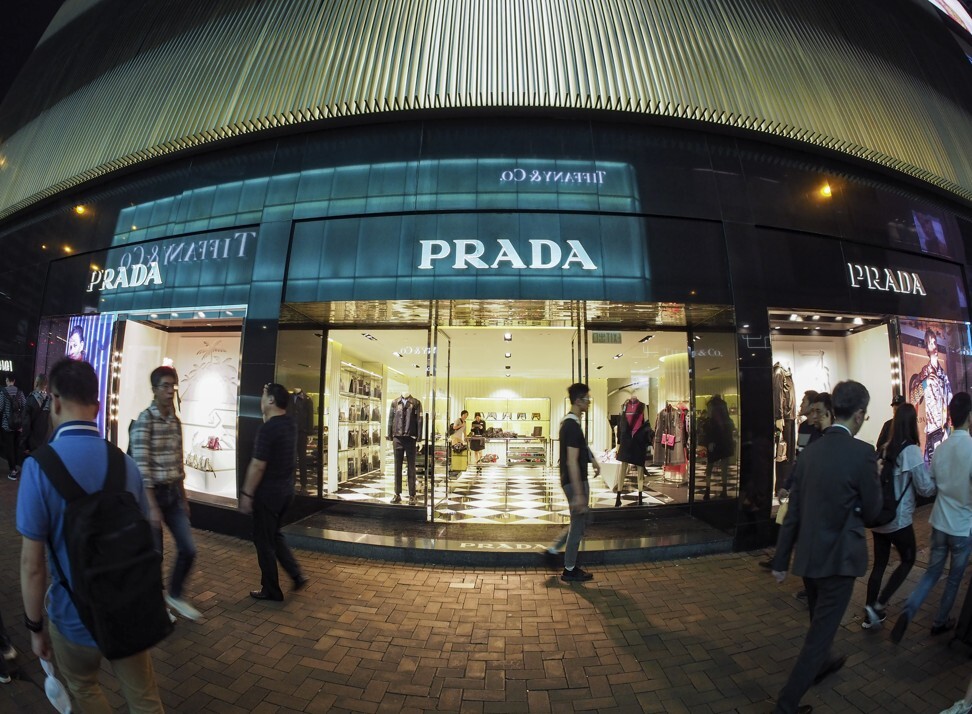

Prada was the first global luxury retailer to shut a store in Russell Street in 2020.


In recent months, top global brands Valentino, Chloé and Victoria’s Secret have closed their flagship stores in Tsim Sha Tsui, Central and Causeway Bay respectively.

Russell Street has long been a magnet for international brands opening flagship stores in Hong Kong. At the moment, jeweller Tiffany & Co. and fashion label Burberry still operate large stores on the street.

Earlier this summer, when asked about possible closures in Hong Kong, where Burberry has 12 stores, CEO Marco Gobbetti told the Post that for now the British label has no plans to shut any of them, including its Russell Street store.

That is likely to change if Burberry’s next-door neighbours there end up being mass-market brands. That would change the look of the street and decrease its allure among luxury labels, as has happened in other parts of Causeway Bay and elsewhere in Hong Kong.
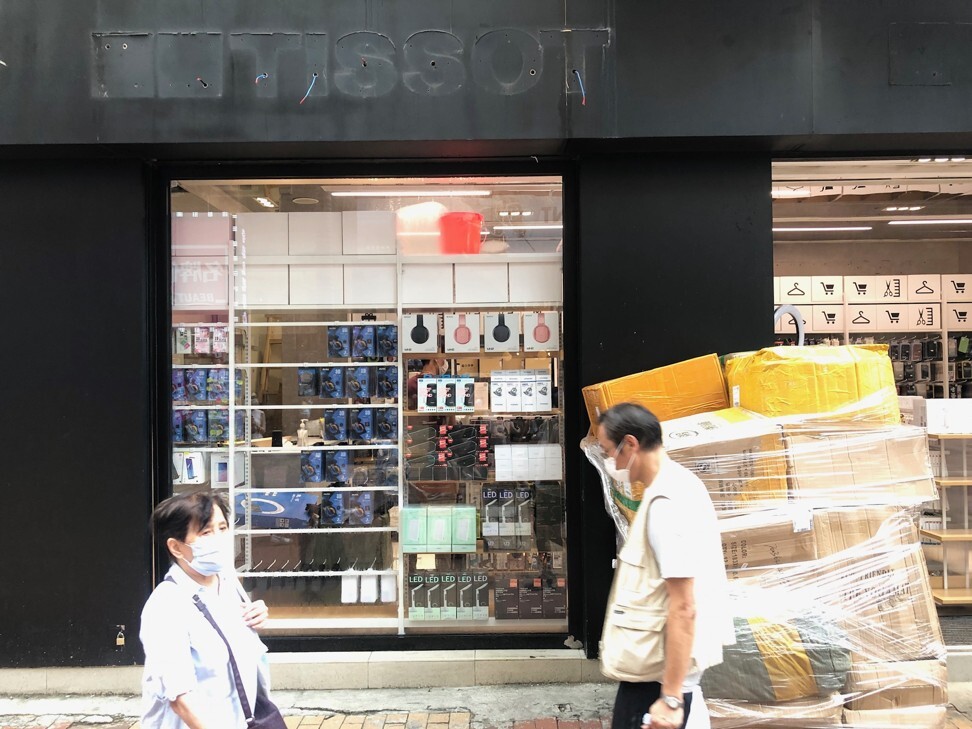

The shop vacancy rate has risen sharply on Russell Street in Causeway Bay, once the world's most expensive shopping street. A sundry goods seller occupies a store until recently occupied by watchmaker Tissot.


In the city’s Central district, for instance, a prime storefront on Queen’s Road Central, previously occupied by a luxury watch emporium, is being fitted out for a branch of the Japanese discount chain Don Quijote, known for its bargain-basement prices and for selling everything from sex toys to green-tea-flavoured Kit Kat chocolate bars.

The same fate could await what was formerly the world’s priciest commercial real-estate strip if tourist arrivals don’t rebound to pre-Covid 19 and pre-protest levels and if landlords are not willing to meet tenants’ demands for more rent concessions now that Hong Kong is no longer the No 1 cash cow in the world for high-end labels.
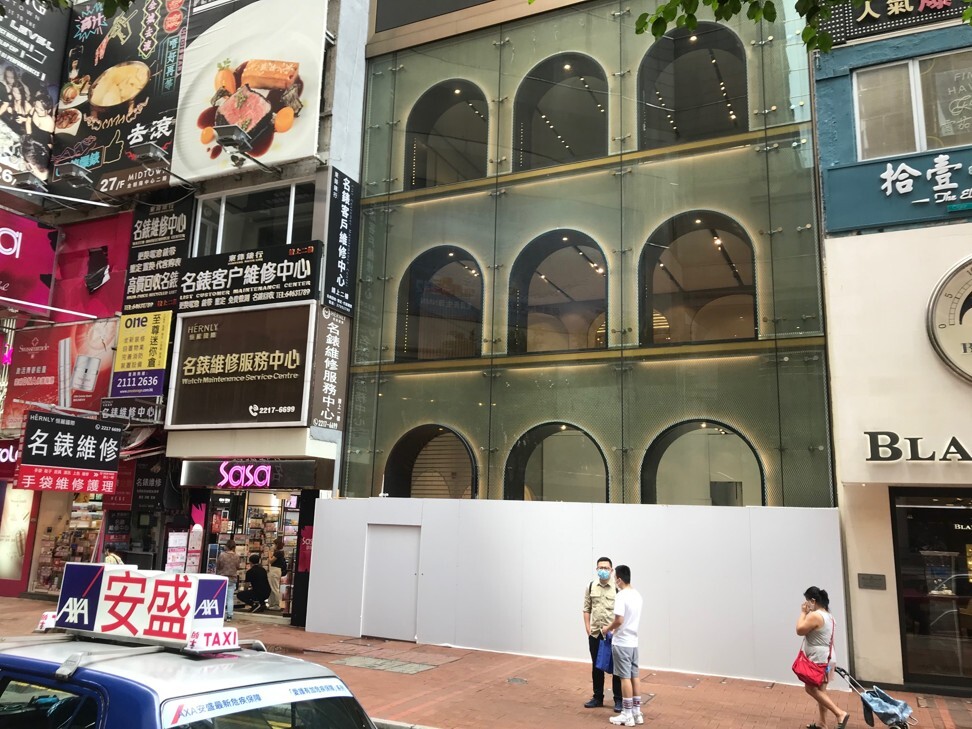
The former La Perla store on Russell Street, for which the rent was over US$900,000 per month.


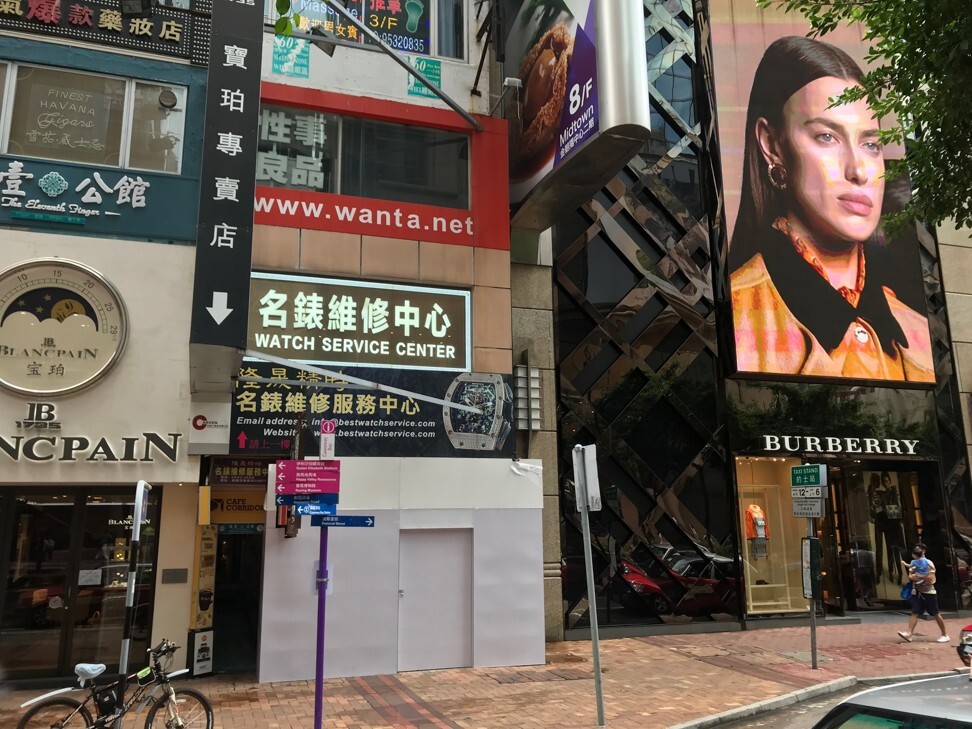
The former Kiehl's store on Russell Street.


“It’s hard to predict the trade mix at the moment, not until the borders open when tourists and business travellers can visit Hong Kong freely, at least not in six to nine months’ time,” says Kevin Lam, executive director and head of retail services at Cushman & Wakefield in Hong Kong.

“But one thing is for sure: luxury brands are leaving Russell Street. They tend to stay within a shopping mall (like Lee Garden or Sogo in Causeway Bay) due to the supportive measures and more controlled trade mix in the mall.”

Newsletter

Related Articles

0:00
0:00
Close
Housebuilding Across Scotland Plummets to Eleven-Year Low Despite Government Pledges to Tackle National Housing Emergency
Greggs Announces Factory Closures Across Northern England and Scotland Affecting Seven Hundred Forty Jobs
United Kingdom and Singapore Conclude Eleventh Financial Dialogue in Singapore to Deepen Cooperation on Digital Finance and Capital Markets
Energy Security and Net Zero Committee Urges Government to Shift Policy Costs to Gas Bills and Tap Windfall Profits to Lower Consumer Prices
British Broadcasting Corporation Announces Major Cost-Cutting Overhaul to Close Linear Broadcast Services for Television Channels BBC Three and BBC Scotland Alongside Digital Radio Station BBC Radio Four Extra
London Capital Markets Face Renewed Scrutiny After High-Profile Offerings Underperform Post-Listing
Green Party Wins Historic First Westminster Parliamentary By-Election in Gorton and Denton
Environment Secretary Emma Reynolds Unveils Sweeping Regulatory Overhaul for English Water Industry
United Kingdom Health Security Agency Confirms Thirty-Four Cases in Kent Meningitis Outbreak
Ministry of Defence Prepares Heat Pump Subsidy Cuts to Fund Urgent Military Modernization
British and European Union Officials Schedule Long-Awaited Bilateral Leaders Summit for November Twentieth
Bank of England Governor Andrew Bailey Urges Strict Fiscal Credibility to Protect British Bond Markets
United Kingdom Inflation Rises to Three Point One Percent Driven by Escalating Fuel Costs
Profit Warnings Among London-Listed Companies Reach Two-Year High Amid Global Energy Shocks
Chancellor John Healey Signals Targeted Tax Changes on Banks and London Corporate Offices Ahead of Budget
British Government Reallocates Twenty-Five Per Cent of International Climate Finance to Global Biodiversity Projects
Initial British Carbon Border Taxes Set to Undercut Parallel European Union Tariffs on Industrial Imports
Whitehall Prepares National Zero-Interest Loan Initiative to Accelerate Domestic Heat Pump and Solar Adoption
European Union Offers British Automakers Access to Hybrid Vehicle Trade Protections Subject to Strict Regulatory Alignment
British Probation Officers Threaten Widespread Industrial Action After Rejecting Five Per Cent Government Pay Offer
Microsoft Abandons Major British Artificial Intelligence Data Centre Citing Severe National Grid Power Constraints
United Kingdom Inflation Accelerates to Three Point Four Per Cent Ahead of Chancellor John Healey's Inaugural Autumn Budget
Surging Cloned Number Plates Severely Complicate Traffic Enforcement and Police Investigations
Mounting Opposition Challenges Planned Rollout of Autonomous Taxis Across London
Influential Think Tank Urges Rejoining European Union to Navigate Geopolitical Crises
Government Review Recommends Slashing Benefits to Fund Youth Employment Initiatives
Senior Minister Shabana Mahmood Seeks New Law Enforcement Pact With European Union
Airbus Executive Warns Britain Risks Losing Crucial Role in European Space Industry
Exorbitant Electricity Costs Push British Steelmakers to Worst Competitive Position in Three Years
British Food and Beverage Exports to European Union Collapse by Over a Third Since Brexit
Up to Twenty English Maternity Units Face Impending Closure Due to Safety and Staffing Crises
Government Declares Severe Drought Across Southern England Following Record Dry Spell
Corporate Profit Warnings Reach Two-Year High Amid Middle East Conflict and Rising Costs
International Monetary Fund Warns Chancellor John Healey Against Proposed Bank Tax Raid
Northern Ireland Secures Favorable Agricultural Export Agreement with European Union
Scottish Government Approves Major Offshore Floating Wind Farm Near Aberdeenshire
High Speed Two Rail Project Faces Three Billion Pound Cost Escalation on Initial Phase
National Health Service Warns of Winter Capacity Crisis Across English Hospitals
Tata Steel Confirms Two Thousand Job Cuts at Port Talbot to Fund Green Transition
Global Microchip Developer Announces Three Billion Pound Semiconductor Plant in Cambridge
United Kingdom Artificial Intelligence Safety Institute Proposes Mandatory Licensing for Generative Models
United Kingdom Commits Additional Long-Range Weapons and Air Defenses to Ukraine
British Chancellor Overhauls Infrastructure Financing to Bypass Borrowing Constraints
Bank of England Holds Benchmark Interest Rate at Four Point Five Percent
First Minister Rhun ap Iorwerth Confirms Constitutional Discussions Over Welsh Independence During Initial Bilateral Call with Prime Minister
Labour Party Instructs Local Council Groups to Sever Power-Sharing Accords with Green Party Over New Controversial Policy Positions
Institute for Fiscal Studies Warns of Thirty-Five Billion Pound Fiscal Gap Ahead of Chancellor John Healey Upcoming Autumn Budget
House of Lords Backs Landmark Legislative Amendment to Decriminalize Abortion Across England and Wales
United Kingdom Defence Secretary Wes Streeting Travels to Pentagon for High-Level Strategic Talks Amid Escalating Tensions Over Ukraine and United States Policy Shifts
Bank of England and International Monetary Fund Officials Issue Urgent Warnings Regarding Potential Artificial Intelligence Financial Market Shocks
×