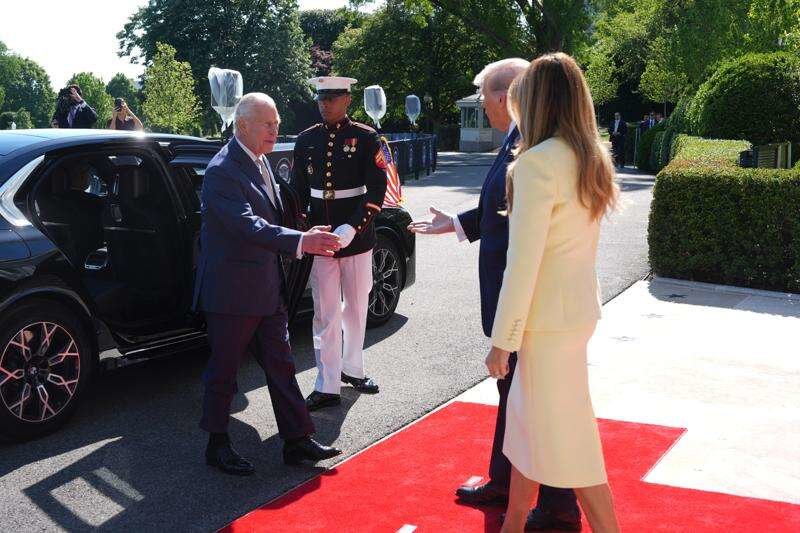
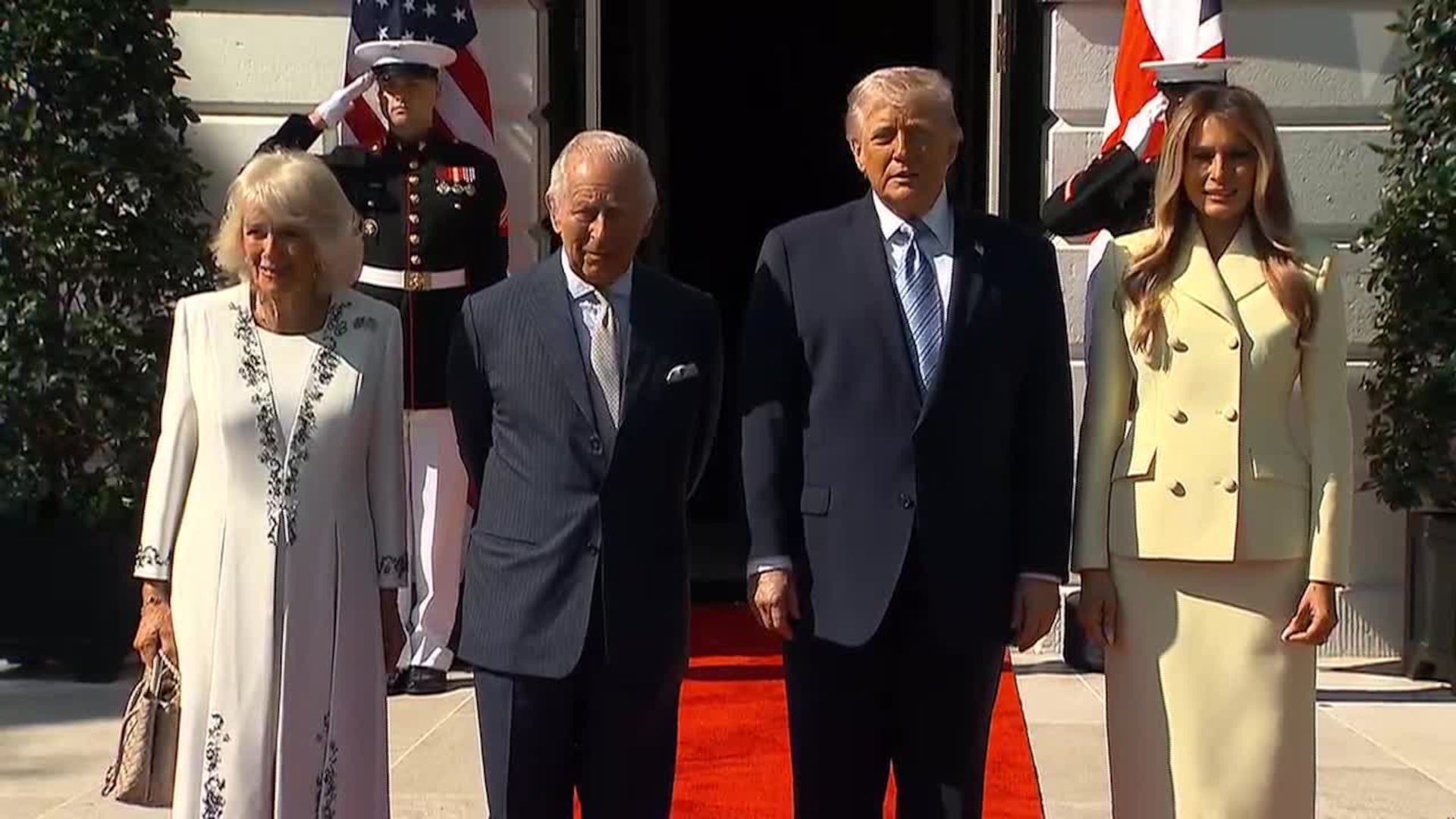
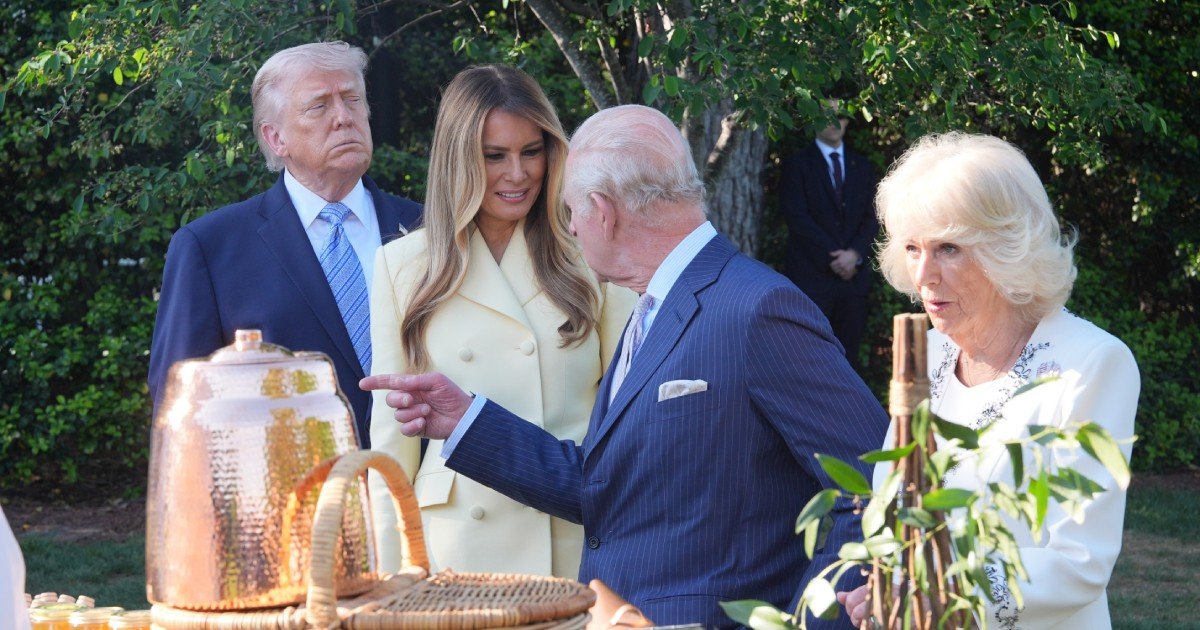
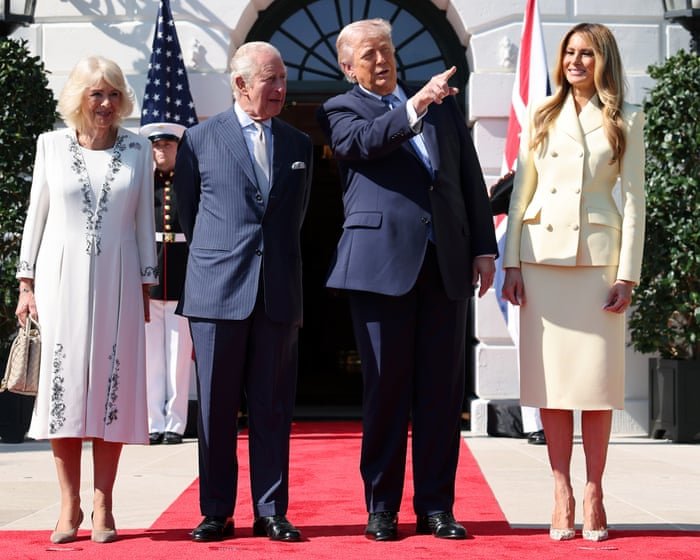
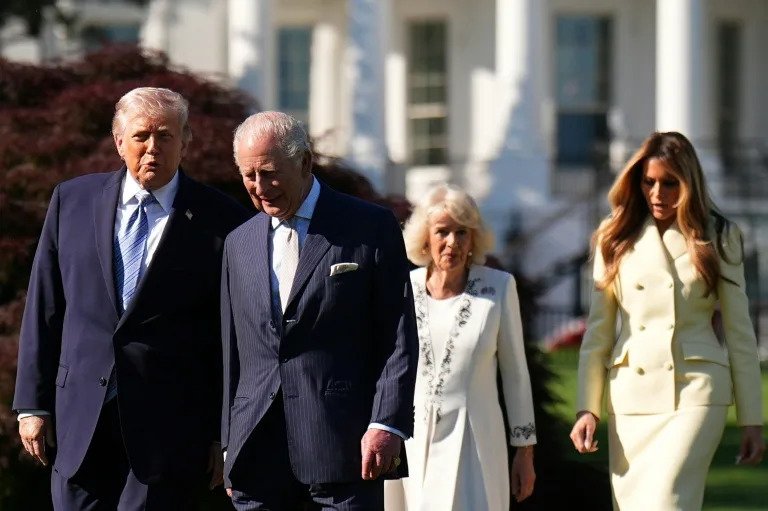
King Charles III arrives at White House in symbolic push to reset UK–US ties
A high-profile royal visit signals renewed diplomatic engagement between London and Washington amid growing pressure to stabilise trade, security coordination, and political alignment.
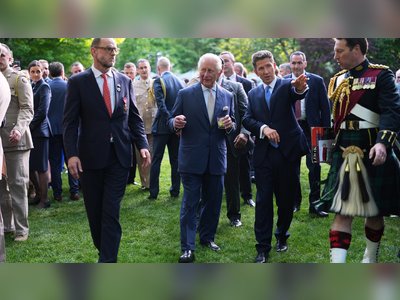
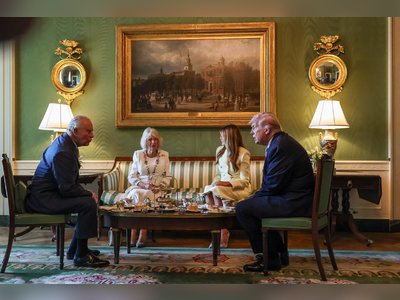
Actor-driven diplomacy is shaping the latest chapter in UK–US relations as King Charles III arrives at the White House on a carefully choreographed mission aimed at reinforcing the long-standing alliance between the two countries.
What is confirmed is that the visit places the British monarch at the centre of a high-visibility diplomatic moment, designed to emphasise continuity and stability in a relationship that has faced periodic strain in recent years over trade disagreements, foreign policy coordination, and shifting domestic politics on both sides of the Atlantic.
The engagement reflects the unique constitutional role of the British monarchy in international relations.
While the King does not set government policy, royal visits function as a form of soft power, reinforcing alliances through symbolism, ceremony, and direct engagement with heads of state.
In this case, the White House setting underscores the strategic importance both sides attach to presenting a united front.
The stakes extend beyond symbolism.
The UK and US remain deeply intertwined in defence cooperation, intelligence sharing, and economic policy coordination.
Any perceived friction between them carries implications for NATO cohesion, responses to ongoing global conflicts, and the stability of transatlantic trade frameworks that underpin billions in annual exchange.
The visit also arrives at a moment when both governments are navigating internal political pressures.
In the United Kingdom, economic growth challenges and post-Brexit trade positioning continue to shape foreign policy priorities.
In the United States, shifting political dynamics and domestic polarization influence the consistency of international commitments, making visible reaffirmations of alliance value strategically important.
For the monarchy, the visit reinforces its modern diplomatic function: acting as a non-partisan bridge between governments during periods of political transition or tension.
The King’s role is not to negotiate policy but to provide continuity and signal institutional stability at moments when executive politics may fluctuate.
The immediate consequence of the visit is a renewed public emphasis on alignment between London and Washington across security, economic, and diplomatic domains, reinforcing the expectation that both governments will continue coordinated engagement on global challenges rather than diverging into parallel strategies.
What is confirmed is that the visit places the British monarch at the centre of a high-visibility diplomatic moment, designed to emphasise continuity and stability in a relationship that has faced periodic strain in recent years over trade disagreements, foreign policy coordination, and shifting domestic politics on both sides of the Atlantic.
The engagement reflects the unique constitutional role of the British monarchy in international relations.
While the King does not set government policy, royal visits function as a form of soft power, reinforcing alliances through symbolism, ceremony, and direct engagement with heads of state.
In this case, the White House setting underscores the strategic importance both sides attach to presenting a united front.
The stakes extend beyond symbolism.
The UK and US remain deeply intertwined in defence cooperation, intelligence sharing, and economic policy coordination.
Any perceived friction between them carries implications for NATO cohesion, responses to ongoing global conflicts, and the stability of transatlantic trade frameworks that underpin billions in annual exchange.
The visit also arrives at a moment when both governments are navigating internal political pressures.
In the United Kingdom, economic growth challenges and post-Brexit trade positioning continue to shape foreign policy priorities.
In the United States, shifting political dynamics and domestic polarization influence the consistency of international commitments, making visible reaffirmations of alliance value strategically important.
For the monarchy, the visit reinforces its modern diplomatic function: acting as a non-partisan bridge between governments during periods of political transition or tension.
The King’s role is not to negotiate policy but to provide continuity and signal institutional stability at moments when executive politics may fluctuate.
The immediate consequence of the visit is a renewed public emphasis on alignment between London and Washington across security, economic, and diplomatic domains, reinforcing the expectation that both governments will continue coordinated engagement on global challenges rather than diverging into parallel strategies.