British Royals Host Diplomatic Garden Party at UK Ambassador’s Residence
Senior members of the Royal Family attended a formal reception abroad, underscoring the monarchy’s soft-power role in UK diplomacy and international relationship-building.
ACTOR-DRIVEN diplomacy is at the centre of a royal engagement abroad, as senior members of the British Royal Family attended a garden party hosted at the UK ambassador’s official residence, reinforcing the monarchy’s continuing role in state-level soft power and international representation.
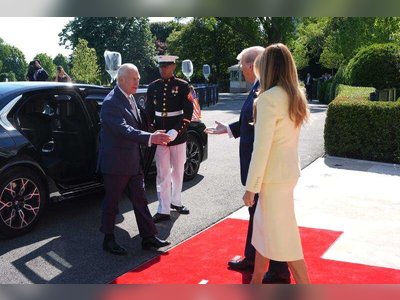
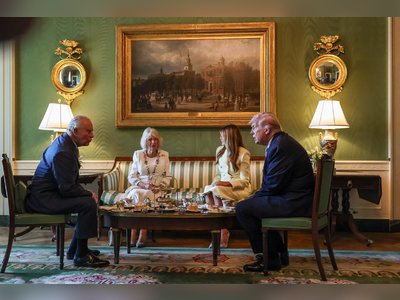
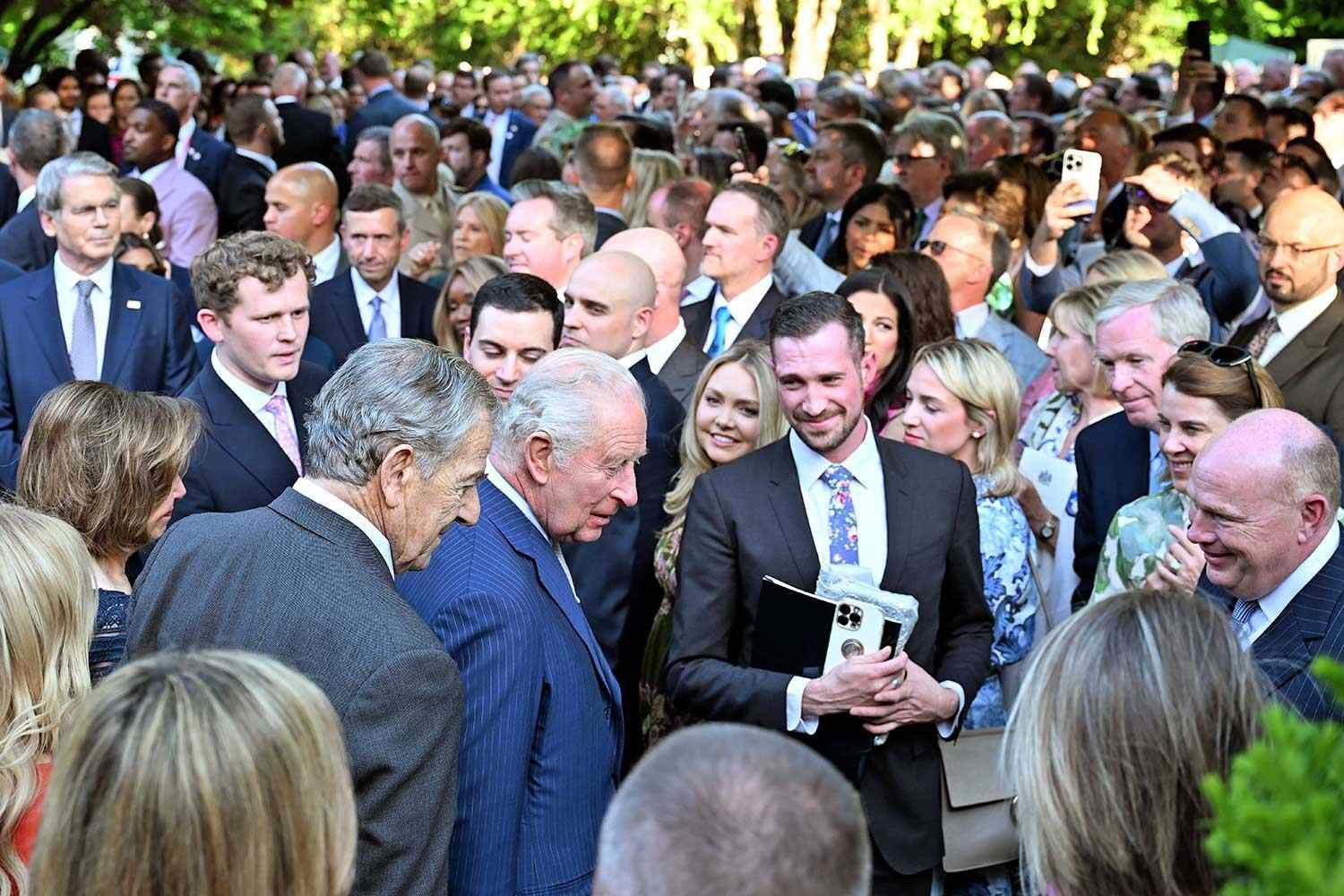
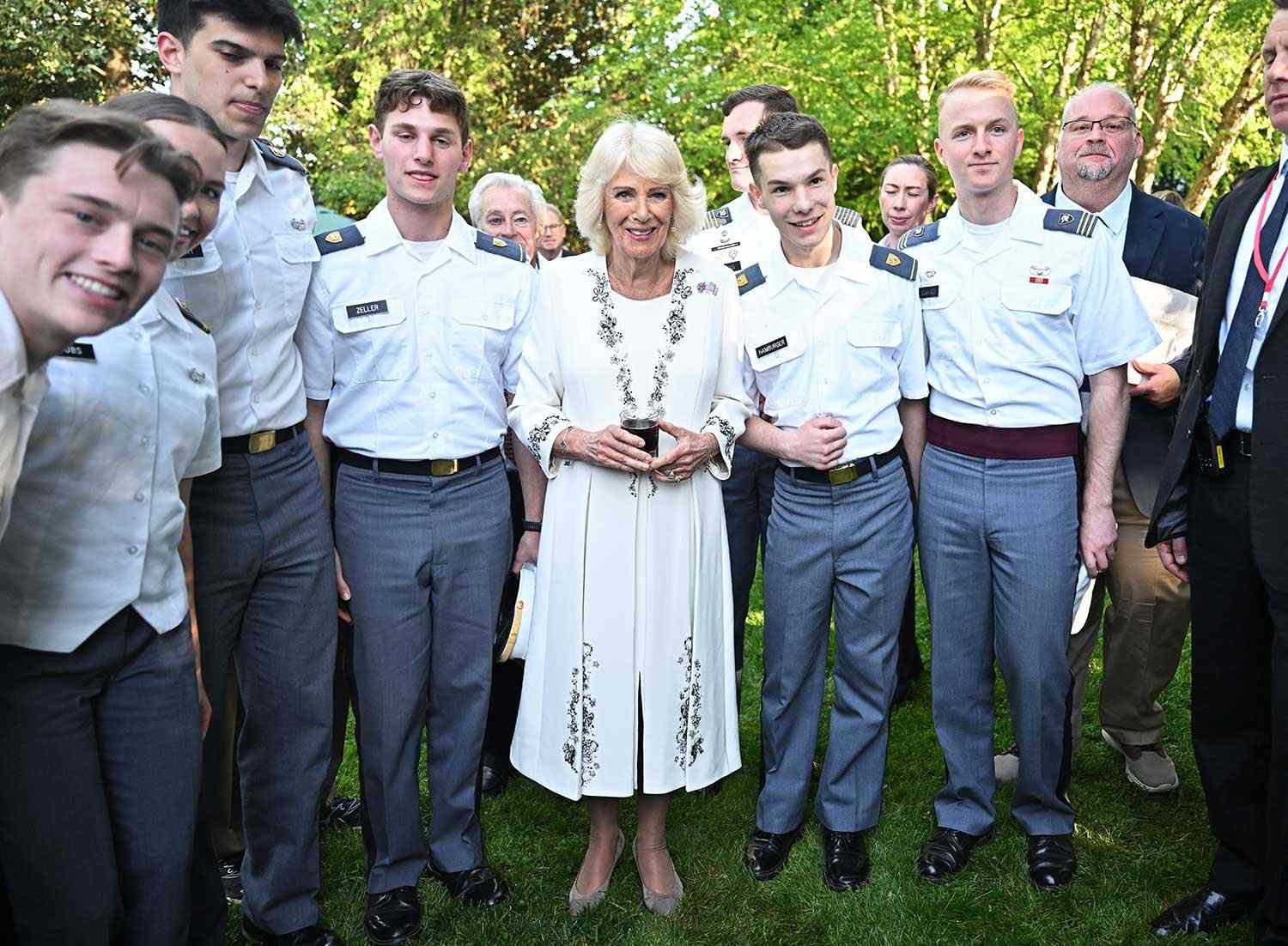
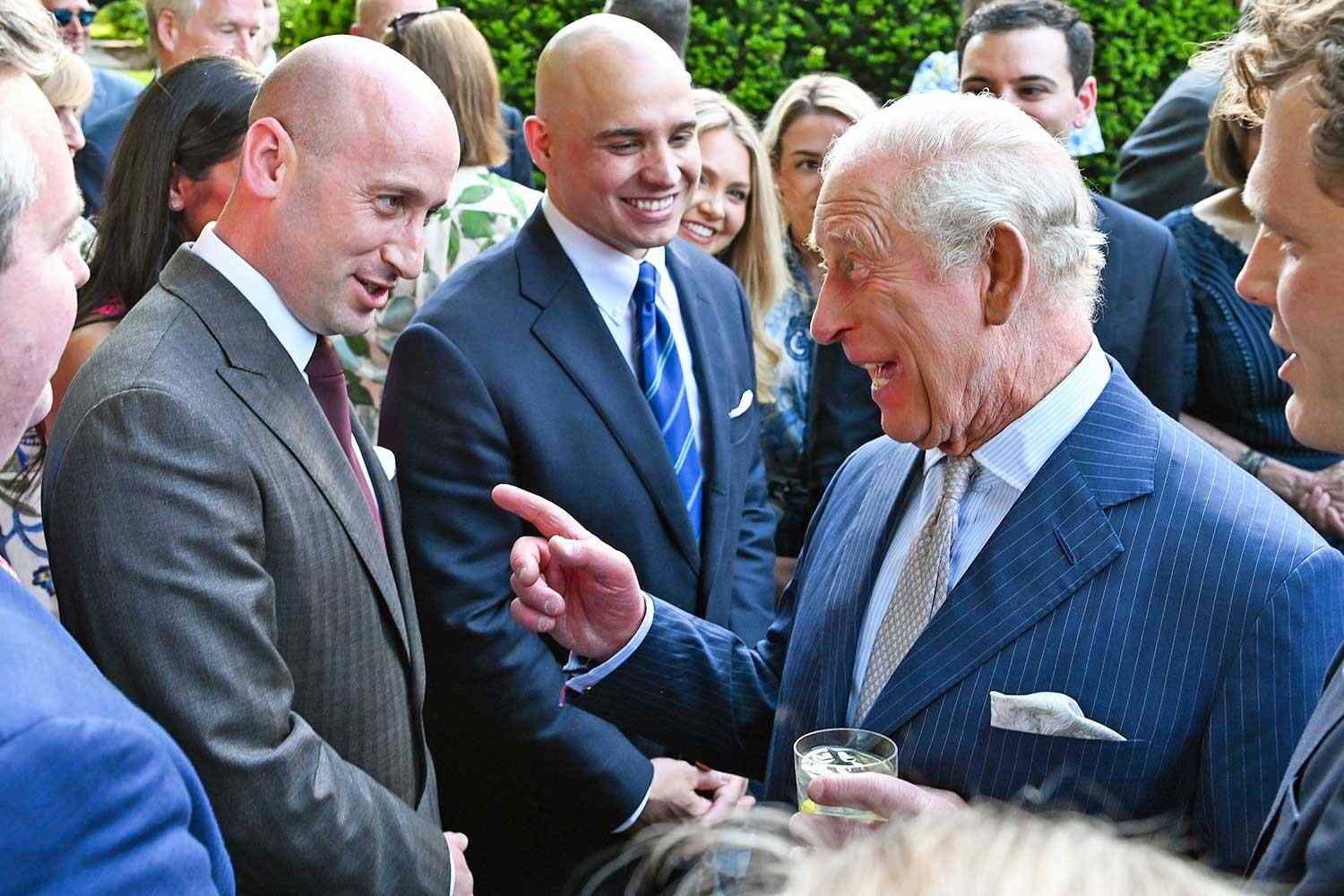
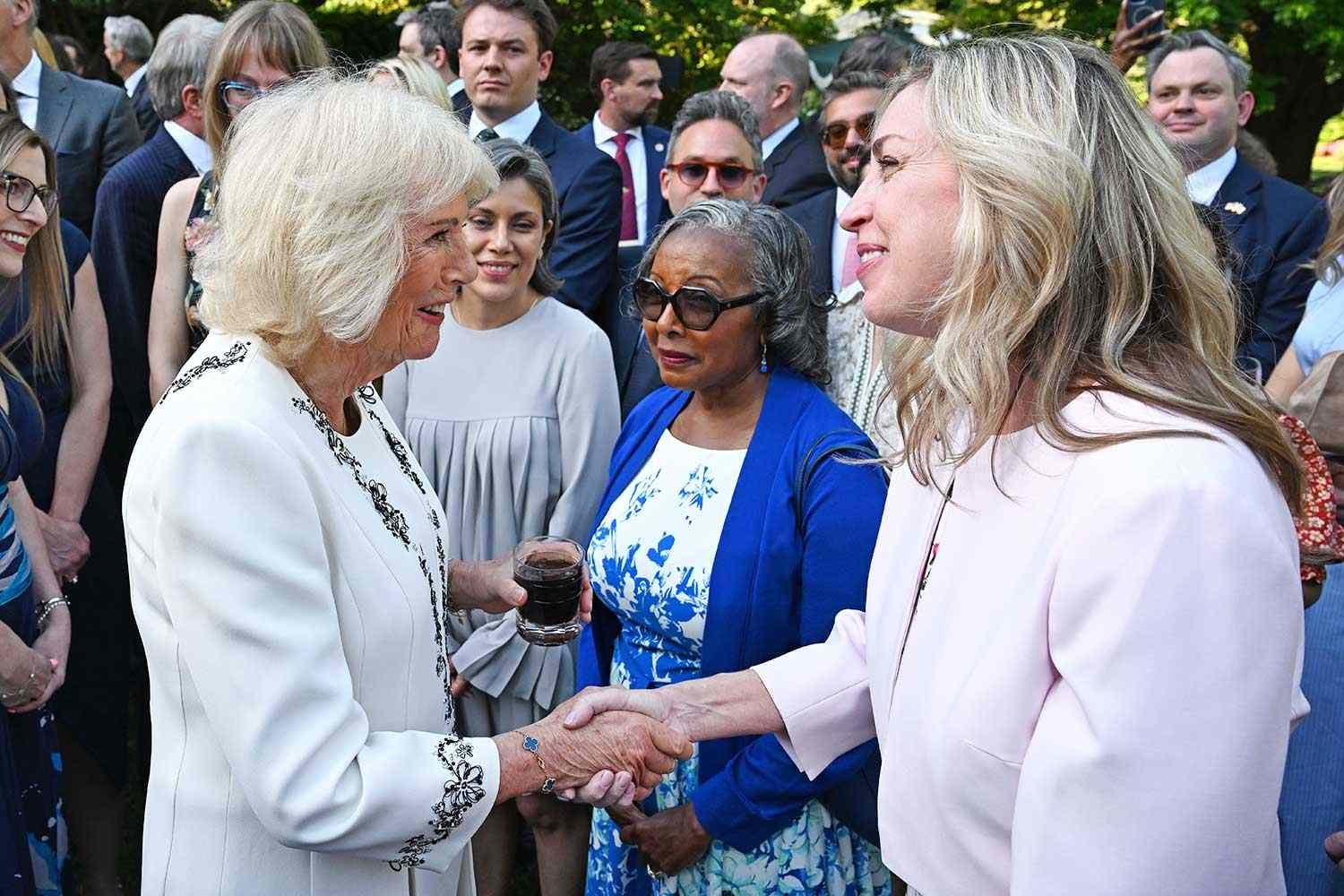
What is confirmed is that members of the Royal Family participated in a formal diplomatic reception held at the residence of the UK ambassador.
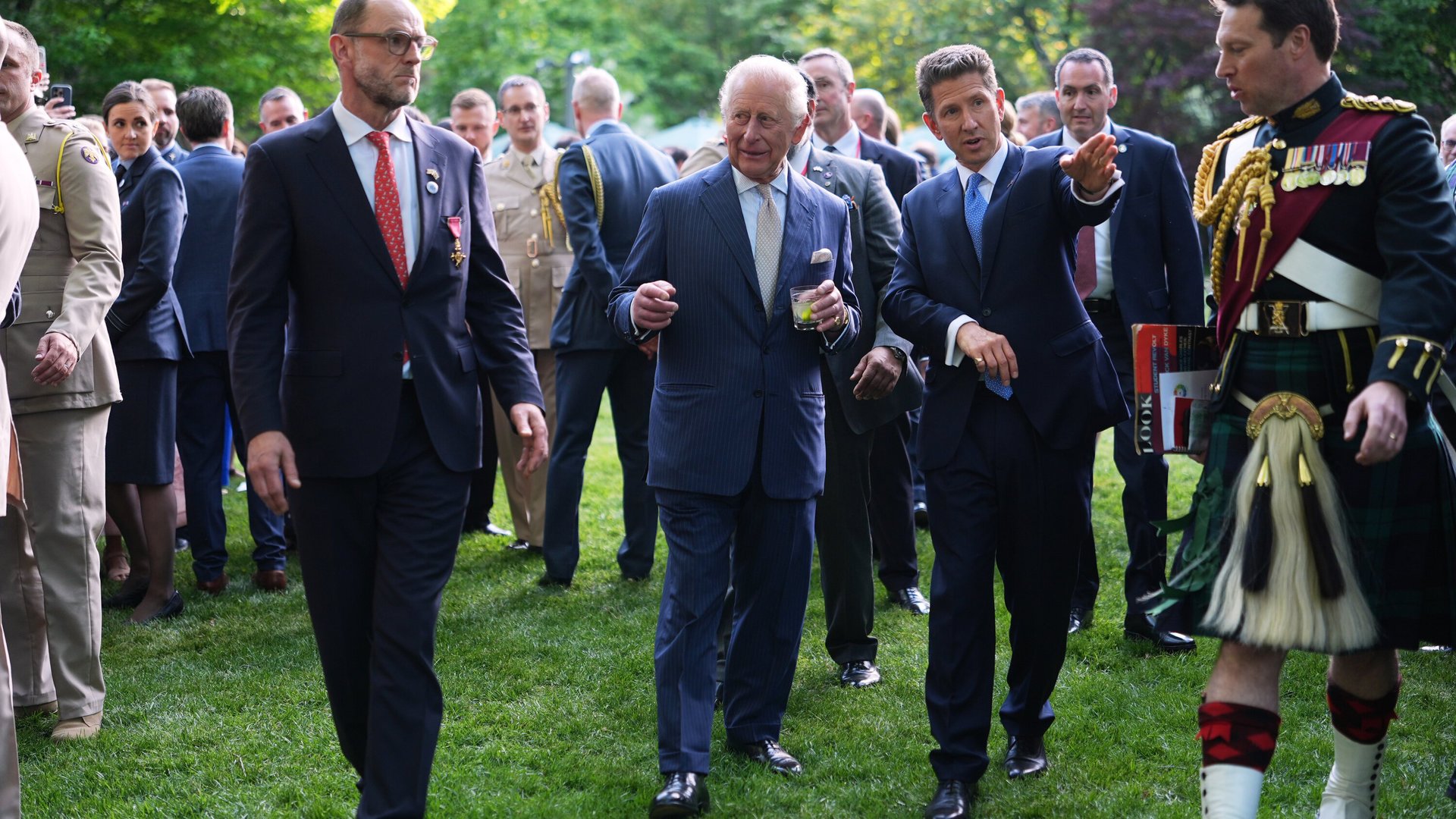
The event brought together invited guests from political, business, cultural, and diplomatic circles, and was structured as a ceremonial gathering intended to support bilateral relationships and broader international engagement.
Royal visits of this kind are not policymaking events, but they are deliberately integrated into the United Kingdom’s diplomatic strategy.
The monarchy functions as a non-partisan institution capable of engaging foreign leaders and influential figures without the constraints of electoral politics, allowing continuity in international relationships across different UK governments.
The garden party format is a long-standing element of British diplomatic practice.
It combines informal social interaction with structured ceremonial messaging, providing opportunities for direct engagement between the Royal Family and senior representatives of the host country, as well as members of the British diplomatic community stationed abroad.
The presence of the Royal Family at ambassadorial events typically signals the importance the UK attaches to the host nation or region.
These visits are used to reaffirm political alignment, cultural ties, and economic cooperation, often in parallel with formal government-to-government discussions led by ministers and diplomats.
Beyond symbolism, such events serve practical diplomatic functions.
They facilitate informal dialogue, strengthen personal networks among senior figures, and support broader UK objectives in trade, security cooperation, and cultural exchange.
While no policy decisions are made in this setting, the relationships built can influence future negotiations and institutional cooperation.
The ambassador’s residence itself functions as a key node in the UK’s overseas diplomatic infrastructure, hosting high-level receptions that complement embassy operations.
Events involving the Royal Family elevate the visibility of these gatherings, amplifying their diplomatic reach and media attention in the host country.
In the broader context of UK foreign policy, royal engagement remains one of the most consistent instruments of soft power.
Unlike elected officials, the monarchy provides continuity across decades, allowing the UK to maintain visible presence and relationship-building capacity regardless of domestic political change.
The immediate consequence of the visit is a reinforcement of the UK’s diplomatic visibility in the host country and a renewed emphasis on maintaining close institutional and cultural ties through ceremonial engagement at the highest levels of representation.
What is confirmed is that members of the Royal Family participated in a formal diplomatic reception held at the residence of the UK ambassador.
The event brought together invited guests from political, business, cultural, and diplomatic circles, and was structured as a ceremonial gathering intended to support bilateral relationships and broader international engagement.
Royal visits of this kind are not policymaking events, but they are deliberately integrated into the United Kingdom’s diplomatic strategy.
The monarchy functions as a non-partisan institution capable of engaging foreign leaders and influential figures without the constraints of electoral politics, allowing continuity in international relationships across different UK governments.
The garden party format is a long-standing element of British diplomatic practice.
It combines informal social interaction with structured ceremonial messaging, providing opportunities for direct engagement between the Royal Family and senior representatives of the host country, as well as members of the British diplomatic community stationed abroad.
The presence of the Royal Family at ambassadorial events typically signals the importance the UK attaches to the host nation or region.
These visits are used to reaffirm political alignment, cultural ties, and economic cooperation, often in parallel with formal government-to-government discussions led by ministers and diplomats.
Beyond symbolism, such events serve practical diplomatic functions.
They facilitate informal dialogue, strengthen personal networks among senior figures, and support broader UK objectives in trade, security cooperation, and cultural exchange.
While no policy decisions are made in this setting, the relationships built can influence future negotiations and institutional cooperation.
The ambassador’s residence itself functions as a key node in the UK’s overseas diplomatic infrastructure, hosting high-level receptions that complement embassy operations.
Events involving the Royal Family elevate the visibility of these gatherings, amplifying their diplomatic reach and media attention in the host country.
In the broader context of UK foreign policy, royal engagement remains one of the most consistent instruments of soft power.
Unlike elected officials, the monarchy provides continuity across decades, allowing the UK to maintain visible presence and relationship-building capacity regardless of domestic political change.
The immediate consequence of the visit is a reinforcement of the UK’s diplomatic visibility in the host country and a renewed emphasis on maintaining close institutional and cultural ties through ceremonial engagement at the highest levels of representation.