Claire’s shuts all 154 UK and Ireland stores, wiping out 1,300 jobs
The accessories chain has collapsed its high street presence after repeated administrations, marking the end of a 30-year retail footprint amid online competition and rising costs.
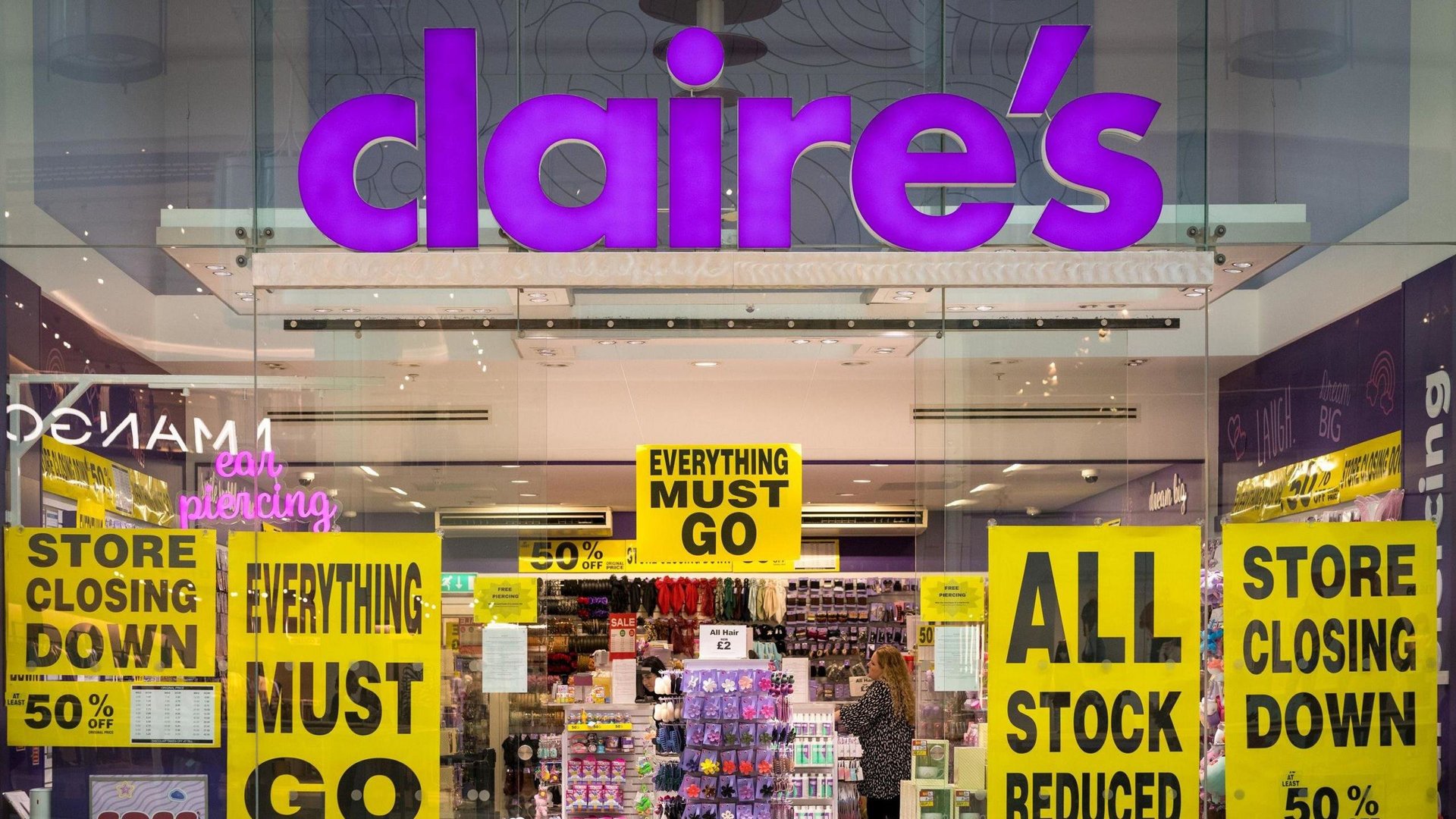
EVENT-DRIVEN disruption has brought one of Britain’s most recognisable accessories chains to a full shutdown, as Claire’s closes all 154 of its standalone stores across the UK and Ireland, eliminating around 1,300 jobs.
What is confirmed is that all standalone Claire’s stores in the UK and Ireland ceased trading as of April 27, 2026. The closures follow the appointment of administrators to oversee the company’s insolvency process, with staff across the estate formally informed that their roles are being made redundant.
The shutdown does not affect Claire’s concessions operating inside larger retailers or its head office functions, which continue in a limited capacity.
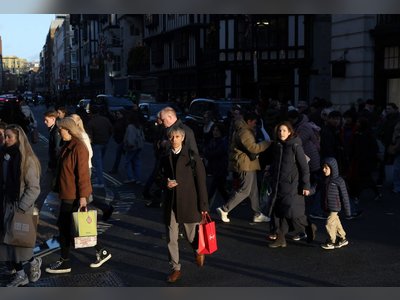
The immediate impact is concentrated on the high street estate, which had been a visible presence in British and Irish retail centres for decades.
Claire’s collapse is the culmination of sustained financial strain.
The company has undergone repeated restructuring events in recent years, including earlier store closures and job losses.
Its UK and Ireland operations were already significantly reduced before this final round of insolvency, reflecting a business that had been steadily contracting rather than abruptly failing.
The underlying mechanism of failure is structural.
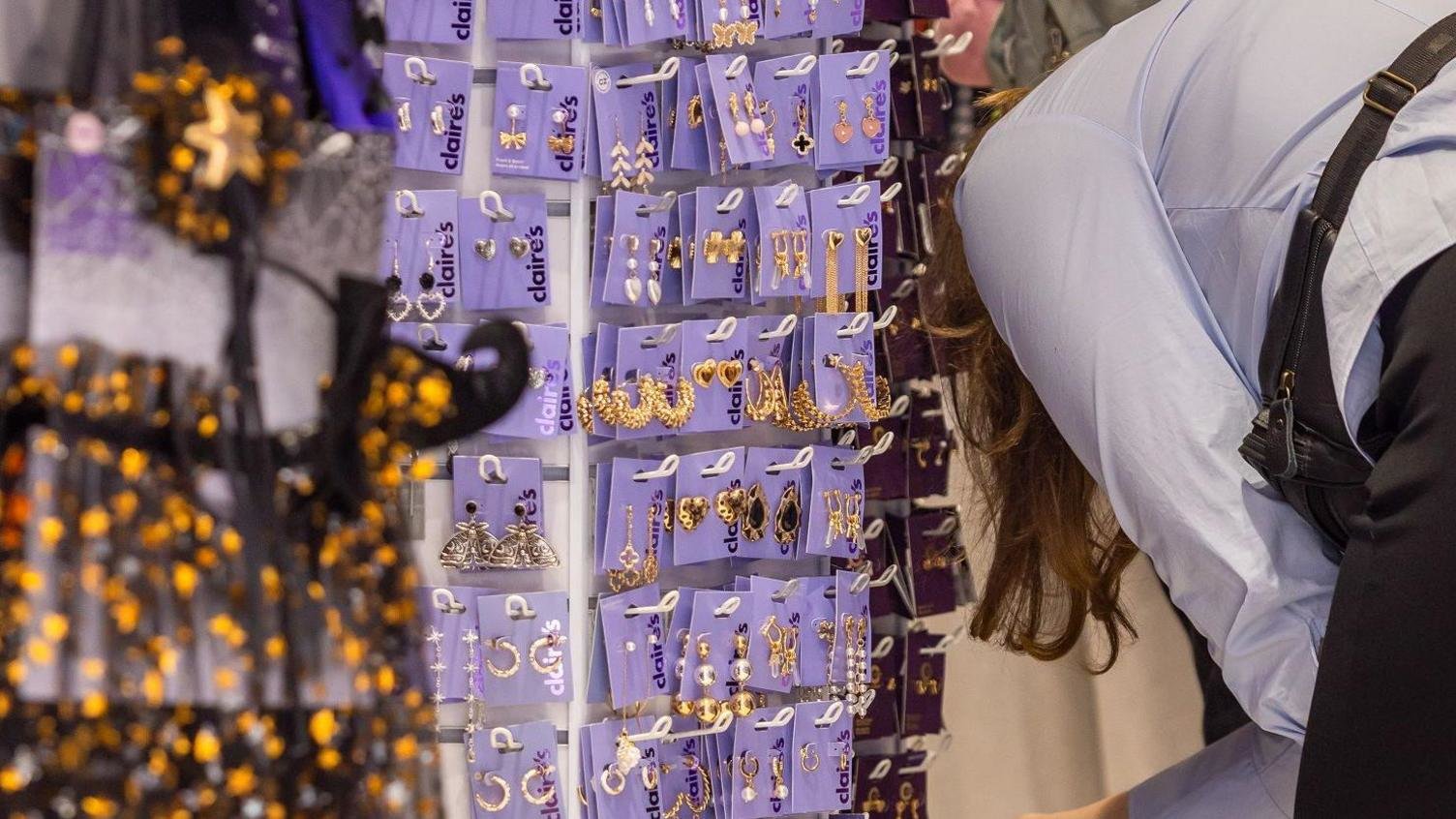
Claire’s model relied heavily on physical footfall from younger consumers purchasing low-cost jewellery, accessories, and ear-piercing services.
That customer base has shifted toward online platforms offering cheaper, faster-moving alternatives, while high street footfall has declined more broadly.
Cost inflation has intensified the pressure.
Rent, labour, and supply chain costs have risen while price-sensitive products have limited ability to absorb higher expenses.
This imbalance has squeezed margins to the point where store-level profitability has become increasingly difficult to sustain.
The scale of the closure reflects how fully the business had contracted before administration.
Rather than a single sudden collapse, the shutdown follows a sequence of failed stabilisation efforts, ownership changes, and partial restructurings that ultimately did not restore long-term viability.
For employees, the consequence is immediate job loss across a geographically dispersed retail network.
For towns and shopping centres, the disappearance of 154 outlets removes a long-standing anchor tenant in many locations, contributing to further vacancy in already weakened retail environments.
Despite the closures, the brand itself has not been fully extinguished in operational terms.
Non-store channels and concession-based outlets remain active, but the core high street model that defined Claire’s for three decades in the UK and Ireland has now been dismantled, leaving its future footprint dependent on whether a narrower, less capital-intensive format can survive.
What is confirmed is that all standalone Claire’s stores in the UK and Ireland ceased trading as of April 27, 2026. The closures follow the appointment of administrators to oversee the company’s insolvency process, with staff across the estate formally informed that their roles are being made redundant.
The shutdown does not affect Claire’s concessions operating inside larger retailers or its head office functions, which continue in a limited capacity.
The immediate impact is concentrated on the high street estate, which had been a visible presence in British and Irish retail centres for decades.
Claire’s collapse is the culmination of sustained financial strain.
The company has undergone repeated restructuring events in recent years, including earlier store closures and job losses.
Its UK and Ireland operations were already significantly reduced before this final round of insolvency, reflecting a business that had been steadily contracting rather than abruptly failing.
The underlying mechanism of failure is structural.
Claire’s model relied heavily on physical footfall from younger consumers purchasing low-cost jewellery, accessories, and ear-piercing services.
That customer base has shifted toward online platforms offering cheaper, faster-moving alternatives, while high street footfall has declined more broadly.
Cost inflation has intensified the pressure.
Rent, labour, and supply chain costs have risen while price-sensitive products have limited ability to absorb higher expenses.
This imbalance has squeezed margins to the point where store-level profitability has become increasingly difficult to sustain.
The scale of the closure reflects how fully the business had contracted before administration.
Rather than a single sudden collapse, the shutdown follows a sequence of failed stabilisation efforts, ownership changes, and partial restructurings that ultimately did not restore long-term viability.
For employees, the consequence is immediate job loss across a geographically dispersed retail network.
For towns and shopping centres, the disappearance of 154 outlets removes a long-standing anchor tenant in many locations, contributing to further vacancy in already weakened retail environments.
Despite the closures, the brand itself has not been fully extinguished in operational terms.
Non-store channels and concession-based outlets remain active, but the core high street model that defined Claire’s for three decades in the UK and Ireland has now been dismantled, leaving its future footprint dependent on whether a narrower, less capital-intensive format can survive.