London Daily

Focus on the big picture.
Sunday, Jul 19, 2026

King Charles and Prince William’s Coronation boost to popularity

King Charles and Prince William’s Coronation boost to popularity

Nearly two thirds are happy with the King and there is an 11 per cent jump in popularity for the Prince of Wales, survey finds

King Charles and Prince William have seen a coronation boost to their popularity, a new poll has revealed.

The Ipsos survey for the Evening Standard shows just under two thirds of adults in Britain are satisfied with the way the King is doing his job, up six points from April to 63 per cent. William has seen an even bigger jump in his satisfaction rating among the public, up 11 points from before the coronation to 73 per cent.

However, the number of people backing Britain becoming a republic hit 28 per cent, a record for the 30 years Ipsos has tracked views on this. Forty three per cent of those polled say the country would be worse off if the monarchy was abolished, 17 per cent say better off, and 35 per cent believe it would make “no difference”.
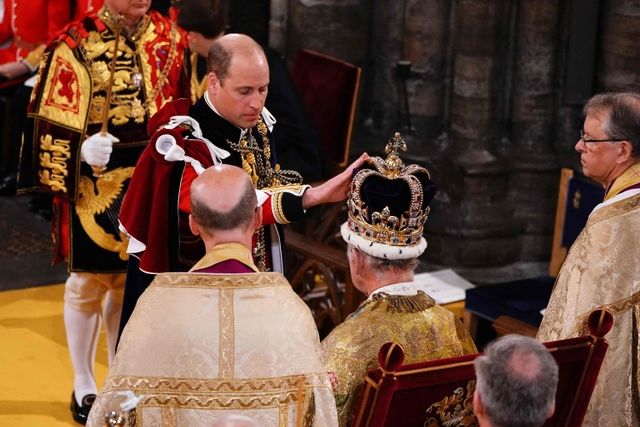

The coronation itself does not appear to have significantly swayed views on the monarchy, with 61 per cent saying it had made no difference, 19 per cent now having a more positive opinion of the monarchy, and the same figure a more negative feeling.

The survey comes after the coronation was beamed around the world in a show of pomp and pageantry. It also follows earlier allegations made by the Duke and Duchess of Sussex against the royals in their Netflix series and Harry’s book Spare.

During the enthronement, the Prince of Wales, 40, paid homage to his father, 74, as he became the 40th reigning monarch to be crowned at Westminster Abbey since 1066.

The poll found that far more older people are pleased with the way the King is doing his job, with a score of 77 per cent among the 65 and above age group, compared with 50 per cent for those aged 18 to 34.

Fifty five per cent of Londoners were satisfied with the King, and 18 per cent dissatisfied, with 27 per cent “don’t know”, though the regional sample sizes for the poll are small so are indicators rather than definitive findings. The region where he has the greatest backing for his performance was the South, outside the capital, at 73 per cent, with Scotland the lowest at 50 per cent.

More women than men voiced satisfaction in how William was doing as Prince of Wales, 76 per cent to 71 per cent respectively. He scored particularly highly among older people, at 83 per cent for those aged 65 and over, and 62 per cent for 18 to 34-year-olds.

His satisfaction rating was 64 per cent in London and 74 per cent in the wider South; the highest figure was in the Midlands at 80 per cent, the lowest, 61 per cent, in Scotland.

Gideon Skinner, head of political research at Ipsos UK, said: “Both King Charles and Prince William have seen improvements in their public satisfaction ratings after the Coronation, to levels that most politicians would be only too delighted to receive.” But he added that the rise in backing for a republic “reinforces the importance for the royals to reach out to those who are more lukewarm in their support — especially young people”.

The poll found a slight rise, from 25 per cent in March to 28 per cent, in the number of adults who would support the country becoming a republic, including four in 10 people aged 18 to 34, compared with 16 per cent of over-65s. In London,

45 per cent held this view, the highest figure among regions alongside Scotland, with the lowest being in the South at 21 per cent. Men were more likely than women to back a republic, by 32 per cent to 24 per cent.

Ipsos interviewed 1,006 adults in Britain by phone between May 10 and 16. Data are weighted.

Newsletter

Related Articles

0:00
0:00
Close
Iran Claims It Destroyed Bahrain’s Main Artificial Intelligence Center in Missile and Drone Strike
Brothers Andrew and Tristan Tate Who Turned "Toxic Masculinity" Into a Brand Arrested in Miami as Britain Seeks Their Extradition
Trump Administration Pressures Banks to Restrict Financial Access for Undocumented Immigrants
Passenger Bound for Germany Refused to Sit Beside a Woman on a Plane — Then Slapped a Flight Attendant
Ukraine’s Leadership Rift Spills Into the Streets as Protesters Target Army Chief
Ukrainian Drone Barrage Kills Eight and Strikes Russian Logistics Network
Key Trends to Watch
Financial Conduct Authority Warns Cloud and Digital Risks Are Becoming a Financial Priority
Jeffrey Donaldson Appeals Sexual Abuse Conviction as Democratic Unionist Party Opens Review
Welsh Health Authorities Launch Emergency Meningitis Vaccination Programme for Students
Scottish Business Activity Falls for Third Month as Companies Face Rising Costs
Bank of England Regulators Demand Better Access to Digital Banking Services
United Kingdom Cuts Bilateral Aid to Several African Countries by Up to Ninety Per Cent
United Kingdom Introduces Tougher Deportation Rules After Rochdale Exploitation Scandal
NHS England Launches Wearable Technology Plan to Reduce Sepsis Deaths
Amazon Web Services Billing Error Sends Trillion-Dollar Invoices to British Companies
Bank of England Takes Direct Regulatory Role Over Major Global Cloud Providers
Extreme Summer Heat Drives Record Fire Risk and Rising Deaths Across Britain
United Kingdom Nationalisation of British Steel Sparks Diplomatic Dispute With China
United Kingdom Economy Shows Weak Growth Ahead of Major Autumn Budget
Andy Burnham Set to Become United Kingdom Prime Minister After Labour Leadership Victory
The Ten World Cup Finals That Defined Football History
Smartphones Are Getting More Expensive, Sales Are Collapsing, and Even Apple Admits: "Prices Will Rise"
The Monaco Bombing Has Become a Test of Ukraine’s Intelligence Accountability
Leadership Change and Strategic Rivalry Redraw the Political Map
Energy Risk, Uneven Growth and the New Geography of Global Capital
The AI Race Enters Its Infrastructure Era
Security and resilience remain long-term national priorities
Britain balances growth ambitions with public finance pressures
Regional devolution becomes a defining theme of the next Labour era
Industrial strategy returns to the centre of British economic policy
Political Instability Remains a Challenge for UK Investment Confidence
Brexit Economic Debate Continues as Public Concerns Over Long-Term Impact Remain
UK Climate Risks Rise as Met Office Warns Extreme Weather Is Becoming More Common
Housing Shortages and Regional Inequality Become Key Priorities Under Incoming Labour Leadership
National Health Service Reform Remains One of Britain’s Biggest Political Challenges
Bank of England Remains at Centre of UK Economic Debate Over Inflation and Growth
UK Economy Shows Recovery Signs but Households and Businesses Remain Under Pressure
Britain Deepens European Defence Cooperation as NATO Allies Seek Stronger Security Capabilities
United Kingdom Expands Sanctions Against Russian Cyber Networks Over Security Threats
UK Industrial Strategy Faces Test After Government Takes Control of British Steel
British Businesses Seek Policy Clarity as Andy Burnham Prepares to Lead Labour Government
Andy Burnham’s Labour Leadership Signals Major Shift Toward Regional Power and Devolution
British Steel Nationalisation Creates New UK-China Tensions Over Control of Strategic Industry
For 36 Years, He Scammed About 300 Luxury Hotels — Until He Was Caught
England's World Cup Exit Expected to Cost Hospitality and Retail £334 Million
Former ICC Prosecutor Aide Speaks Publicly About Allegations Against Karim Khan
Opposition Raises Questions Over June Heatwave Power Grid Pressures
Mastercard Explores Sale of Majority Stake in UK Payments Operator Vocalink
Boeing Forecasts Global Commercial Aircraft Fleet Will Double by 2045
×