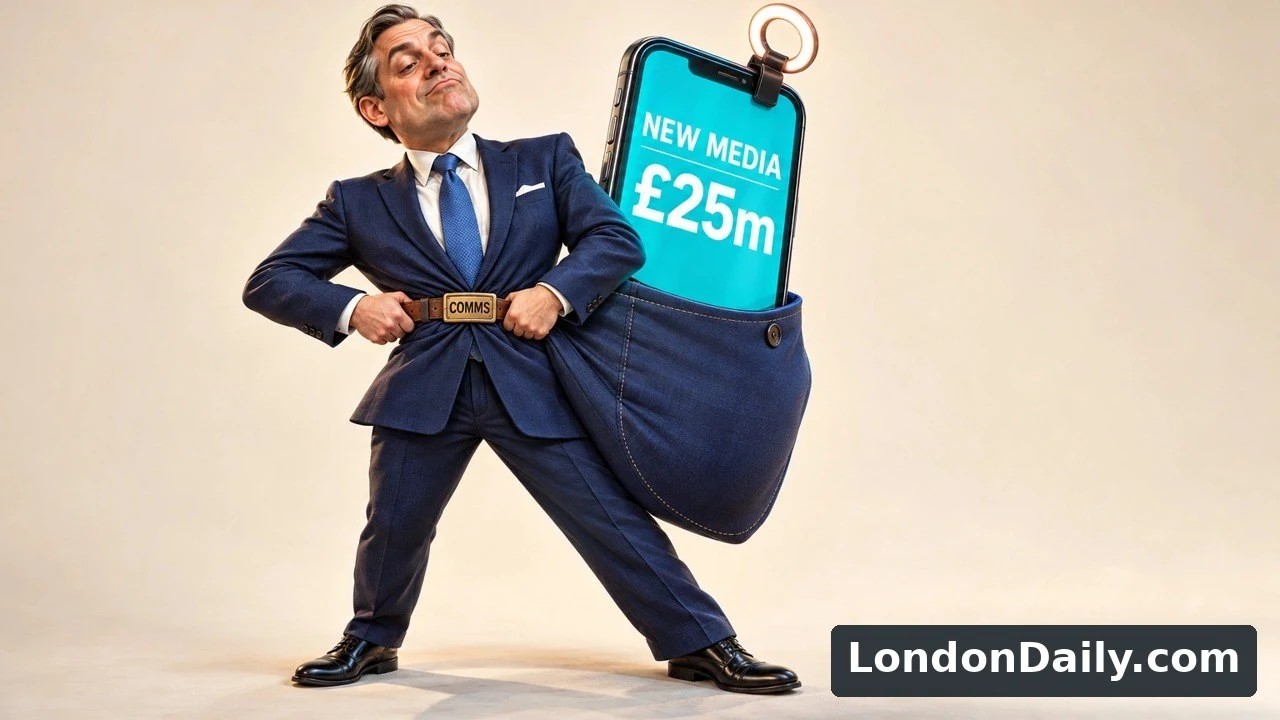
The government is nearly doubling its New Media Unit’s annual budget to £25 million, expanding taxpayer-funded advertising and influencer campaigns as it argues that digital platforms reach people traditional media miss.
Figures disclosed under Freedom of Information legislation show the budget rising from £13.2 million last year. Staff numbers have increased from 21 last October to 43. Established in 2024 under Sir Keir Starmer, the unit promotes policies through YouTube, TikTok and other platforms.
Most spending is earmarked for paid online campaigns, on which more than £8.8 million has been spent since April. These include outside companies placing adverts targeted by age, gender or location, appearing in social media feeds or before YouTube videos.
A further £750,000 has been earmarked for paying influencers to convey messages to audiences who may distrust government communications. A cost-of-living campaign has paid creators including Fisayo Martins, who runs Finance Matters UK on Instagram and TikTok, to advertise available support.
The Cabinet Office says that campaign has reached 13.2 million people on TikTok and 9.1 million across Meta platforms, including Facebook and Instagram. Those reach figures do not establish how many people subsequently accessed support.
The government describes digital platforms as “the most cost-effective and direct way to reach many citizens, particularly harder-to-reach and vulnerable groups” who do not use traditional print, radio or television.
Conservative shadow Cabinet Office minister Mike Wood questioned the transparency and accountability of taxpayer-funded influencer marketing, saying spending exceeded anything under the previous government.
Ministers say overall communications spending is falling. Over two years, 39 campaigns have been cancelled and 46 have had budgets reduced, with some savings redirected to the unit. It is now being absorbed into a broader Government Media Unit, which a spokesperson said would apply its approach.
The expansion comes amid a separate dispute over Andy Burnham’s collaboration with influencers since becoming prime minister. Max Balegde, whose real name is Max Trobe, apologised and removed a video containing explicit language recorded on the steps of 10 Downing Street. Burnham called it “not acceptable” but rejected Conservative leader Kemi Badenoch’s demand that he apologise for “debasing his office”, arguing that young people get their information through influencers.
Balegde was among about 60 creators invited to a Downing Street reception on 9 November. The New Media Unit, which predates Burnham, was not involved, although it helped organise earlier creator receptions. That distinction separates the controversy over the video from scrutiny of the unit’s growing budget.








Join the conversation