Global Leaders Warn of Deepening Humanitarian Crisis in Gaza as Conditions Worsen
United Kingdom, Canada, France and other nations express grave concern over deteriorating civilian suffering and call for urgent action to expand aid access
Foreign ministers from the United Kingdom, Canada, France and several other countries have issued a joint statement expressing serious concern over the rapidly deteriorating humanitarian situation in the Gaza Strip, urging immediate measures to alleviate civilian suffering and expand the delivery of vital aid.
The statement, published by Britain’s Foreign Office, describes conditions in Gaza as ‘‘catastrophic’’ and stresses that the renewed downturn in humanitarian indicators demands urgent, coordinated international action to address critical shortages of food, medical supplies and shelter.
According to the ministers, Israel should ensure that international non-governmental organisations and United Nations agencies can operate sustainably and predictably throughout the territory, and should lift restrictions on essential imports, including medical and shelter equipment that have been hampered by security-related screening processes and closed border crossings.
They highlighted that bureaucratic customs procedures and limited crossings continue to delay and restrict the flow of humanitarian goods, even after a ceasefire agreement went into effect in October 2025 following years of intensive conflict.
The group also called for the opening of key entry points, such as Rafah, to increase the weekly volume of aid trucks beyond current levels.
The appeal comes amid reports that severe winter weather, infrastructure collapse, and ongoing displacement are worsening living conditions for Gaza’s civilian population.
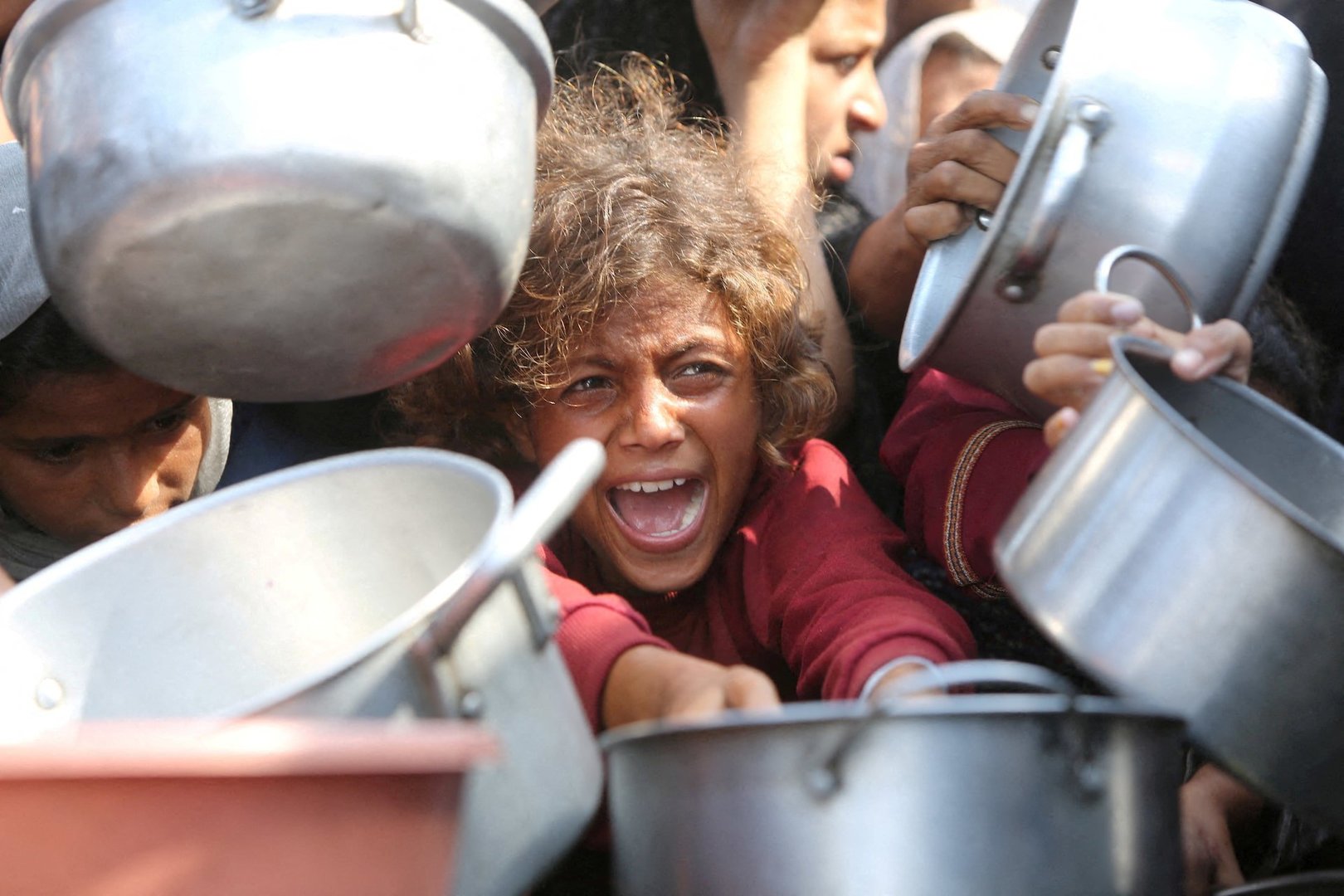
Humanitarian agencies and displaced families alike have described extensive damage to shelters and rising risks of cold-related illnesses, particularly among children, while sanitation systems remain compromised, heightening concerns about disease and waterborne infections.
More than a million people are estimated to still require urgent shelter support and basic services.
Israeli authorities responded to the joint statement, characterising some of its claims as ‘‘false’’ and emphasising that food and other assistance continue to reach Gaza, asserting that problems lie primarily with internal distribution rather than external delivery.
Israel has also implemented new registration requirements for aid organisations, prompting the suspension or review of dozens of groups’ operations amid concerns over compliance and security vetting that critics say could further limit humanitarian access.
International observers warn that without significant, sustained increases in aid delivery and unfettered humanitarian operations, civilian conditions are likely to continue deteriorating.
The ministers’ statement underscores a broad consensus among allied states on the urgency of expanding humanitarian access, protecting civilians and ensuring that relief efforts can meet the scale of needs on the ground as winter-related hardships compound existing vulnerabilities.
The statement, published by Britain’s Foreign Office, describes conditions in Gaza as ‘‘catastrophic’’ and stresses that the renewed downturn in humanitarian indicators demands urgent, coordinated international action to address critical shortages of food, medical supplies and shelter.
According to the ministers, Israel should ensure that international non-governmental organisations and United Nations agencies can operate sustainably and predictably throughout the territory, and should lift restrictions on essential imports, including medical and shelter equipment that have been hampered by security-related screening processes and closed border crossings.
They highlighted that bureaucratic customs procedures and limited crossings continue to delay and restrict the flow of humanitarian goods, even after a ceasefire agreement went into effect in October 2025 following years of intensive conflict.
The group also called for the opening of key entry points, such as Rafah, to increase the weekly volume of aid trucks beyond current levels.
The appeal comes amid reports that severe winter weather, infrastructure collapse, and ongoing displacement are worsening living conditions for Gaza’s civilian population.
Humanitarian agencies and displaced families alike have described extensive damage to shelters and rising risks of cold-related illnesses, particularly among children, while sanitation systems remain compromised, heightening concerns about disease and waterborne infections.
More than a million people are estimated to still require urgent shelter support and basic services.
Israeli authorities responded to the joint statement, characterising some of its claims as ‘‘false’’ and emphasising that food and other assistance continue to reach Gaza, asserting that problems lie primarily with internal distribution rather than external delivery.
Israel has also implemented new registration requirements for aid organisations, prompting the suspension or review of dozens of groups’ operations amid concerns over compliance and security vetting that critics say could further limit humanitarian access.
International observers warn that without significant, sustained increases in aid delivery and unfettered humanitarian operations, civilian conditions are likely to continue deteriorating.
The ministers’ statement underscores a broad consensus among allied states on the urgency of expanding humanitarian access, protecting civilians and ensuring that relief efforts can meet the scale of needs on the ground as winter-related hardships compound existing vulnerabilities.