London Daily

Focus on the big picture.
Monday, Jul 13, 2026

Fuel cost: How to save petrol and diesel

Fuel cost: How to save petrol and diesel

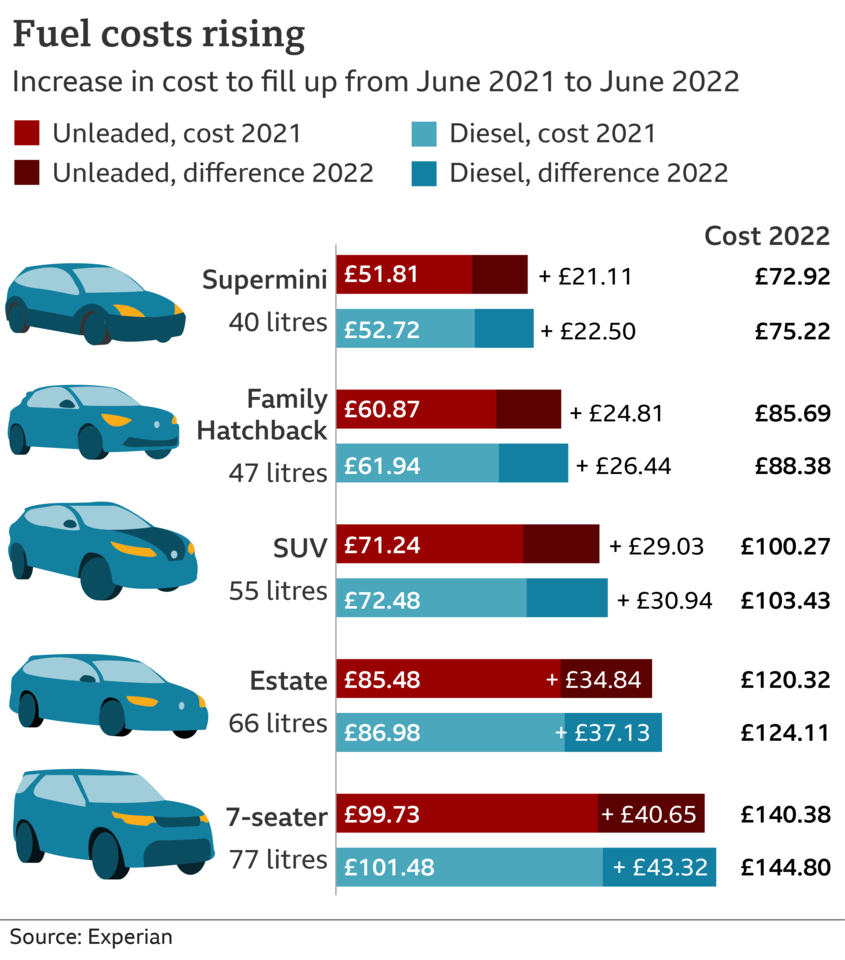
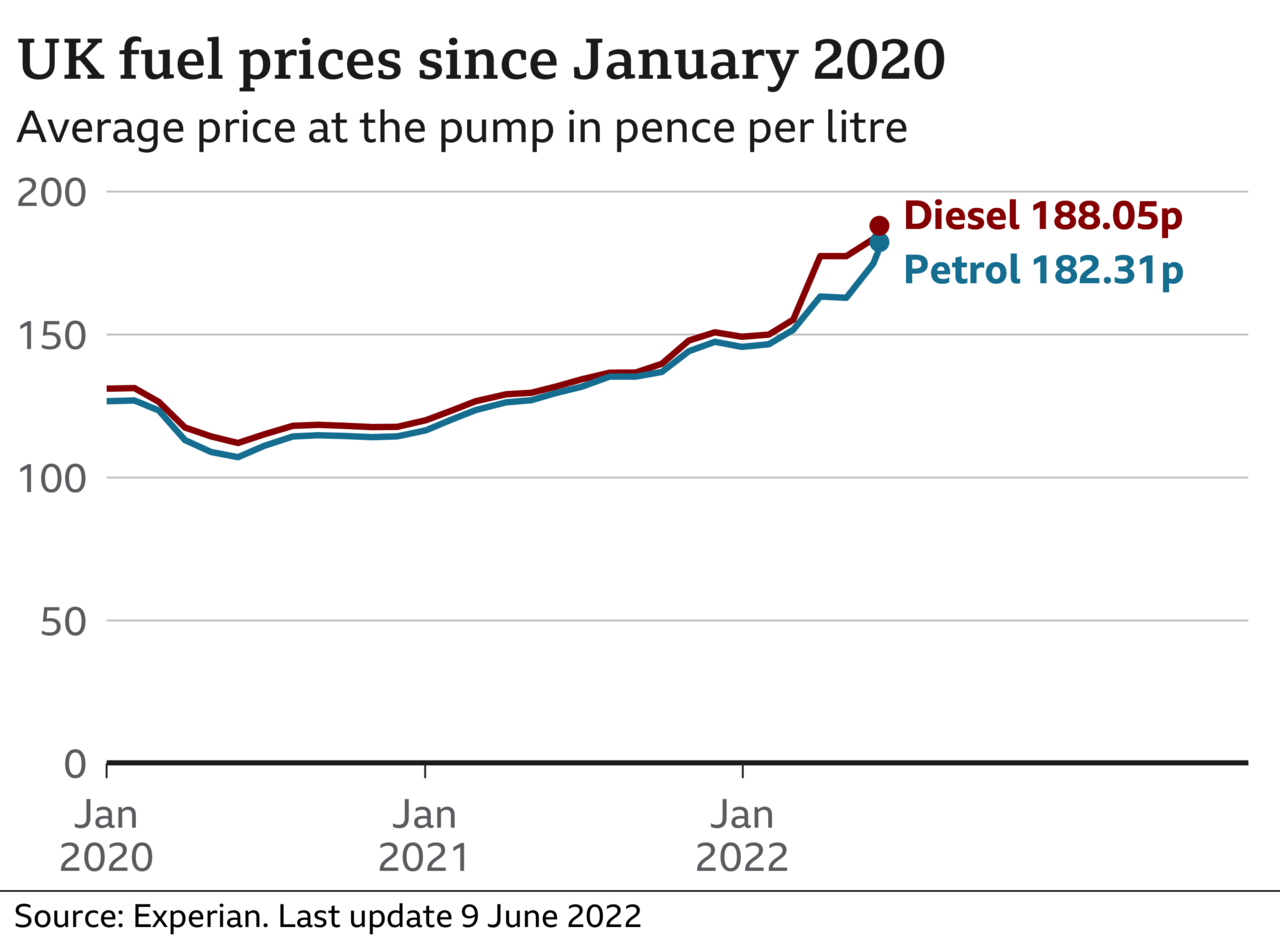
Making fewer journeys is the most obvious way to save money as the cost of filling up a car hits £100, but how else can you use less fuel?

Here are five popular tips from drivers - and whether or not they really work.

1) Is 56mph the best speed to drive?


Many motorists consider driving at exactly 56mph to be optimum for fuel efficiency.

However, there is no ideal fixed driving speed, according to the RAC motoring group.

The 56mph myth, it says, came out of old fuel consumption tests - in a city, at 56mph and at 75mph.

The most efficient of the three was 56mph, which led people to think this was always the best speed.

However, depending on type of car and its size, the RAC says 45-50mph is most efficient.


2) Should I switch off the air conditioner?


If you've ever resisted the urge to reach for the air conditioner on a hot summer's day to save fuel, you were right to do so.

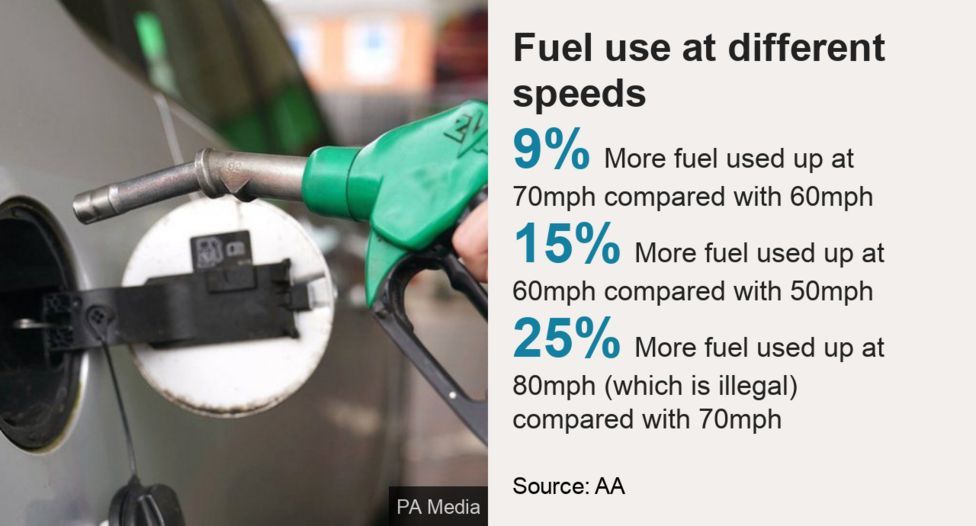
Extra energy is needed to power a car's air conditioning system and turning it on can increase your fuel consumption by up to 10% according to the AA.

The impact might be more noticeable on shorter trips - that's because the air conditioner has to use more power initially to bring down the inside temperature of your car.

Opening your windows might be better, but this creates a separate problem called "drag". This is where your engine has to work harder to compensate for the air resistance created by the open windows.

If you're forced to choose between two, the best option will depend on your speed. The air conditioner is probably the better above 50mph because the faster you drive the greater the drag caused by open windows.

3) Does coasting save fuel?


Coasting is when you drive with the car in neutral, or with the clutch pedal held down.

The AA recommends against coasting. Not only could it be unsafe (because you can't accelerate out of a tricky situation), the group also says it's unlikely to save you any petrol.

It says most cars have electric controls which cut the supply of fuel each time you take your foot off the accelerator - so there's nothing to be gained by coasting.


4) Does cruise control save fuel?


Cruise control - a device which keeps your car at a constant speed without having to use the accelerator pedal - is often seen as a sure-fire way to save fuel, as it avoids unnecessary acceleration and harsh braking.

However, this may only be true when it comes to motorway driving - due to the constant flat surface.

On other road types you are more likely to come across hills and your cruise control will take time to adjust to the change in gradient, using up more fuel in the process.

Normally you take your foot off the accelerator as you begin to descend down a hill, but as your cruise control can't see what's in front it spends extra time using power - leading to worse fuel consumption.


5) Will the wrong tyre pressure use more petrol?


Underinflated tyres will use up extra petrol. The advice is to check your pressures regularly, especially before heading off on a long journey.

The correct pressure will be listed in your car's manual, but you may need to increase it to the recommended maximum if you're carrying several passengers and heavy luggage.

However, any extra weight will still use up additional fuel - so leave out anything you don't need.

Newsletter

Related Articles

0:00
0:00
Close
UK Prime Minister Keir Starmer Offers Condolences Following Death of Qatar’s Father Amir
UK Regional Innovation Policy Focuses on Research Clusters Across Scotland, Wales, and Northern England
UK Corporate Transparency Rules Set to Become More Strict Under Modern Slavery Reform Plans
UK Civil Service Estate Strategy Shifts Government Activity Away From London
UK Strengthens National Security Powers Through New Threat Designations
Greater Manchester Police Conduct Drink and Drug Driving Operations After Football Events
UK Government Advances Darlington Economic Campus With Construction Milestone
UK Authorities Increase Football-Related Security Operations After Tournament Fixtures
UK Invests Fifty-One Million Pounds in National Cryogenics Facility and Regional Innovation Hubs
UK Moves Toward Tougher Modern Slavery Reporting Rules With Corporate Penalties
UK Government Reports Forty-Three Million Pounds in Savings From Office Estate Reform
UK Government Expands Civil Service Regional Strategy With Manchester and Darlington Campus Projects
UK Designates Iran’s Islamic Revolutionary Guard Corps as National Security Threat
United Kingdom Financial Markets Monitor Business Response to Economic Policy Changes
Scottish Renewable Energy Expansion Highlights Need for Faster Grid Development
Wales and Regions Strengthen Focus on Economic Development Through Tourism and Investment
Retail Industry Warns High Street Businesses Remain Under Pressure
Police Chiefs Highlight Growing Challenges Managing Protests and Public Order
Agriculture Leaders Seek Clarity on Post-Brexit Farming Support and Environmental Rules
Transport Unions Warn of Further Industrial Action Over Pay and Working Conditions
Welsh Tourism Sector Reports Strong Growth Driven by Domestic and International Visitors
National Infrastructure Review Gains Support as Leaders Seek Faster Project Delivery
Financial Markets Assess Impact of United Kingdom Corporate Tax Policy Changes
Northern Ireland Assembly Debates Cross-Border Trade and Infrastructure Cooperation Plans
Government Opens Consultations on Housing Reform and Planning System Changes
Scottish Government Faces Pressure to Accelerate Offshore Wind and Grid Expansion
National Energy System Operator Warns Grid Investment Is Needed for Future Electricity Demand Growth
United Kingdom Research Council Invests in Artificial Intelligence and Biotechnology Innovation Hubs
United Kingdom Expands Oversight of Skilled Worker Visa Sponsors Amid Migration Debate
Cross-Party MPs Call for National Infrastructure Strategy Review to Accelerate Economic Growth
Prime Minister Announces One Billion Pound NHS Funding Package Ahead of Winter Pressures
Bank of England Signals Cautious Approach to Interest Rates as Inflation Remains Above Forecasts
World Cup Visitors Turn American Big-Box Stores Into Souvenir Stops
Netflix Weighs Always-On Channels, Bundles and Short-Form Video
Passenger Is Pulled Partly Outside Ryanair Jet After Window Fails Mid-Flight
Innovation-led growth strategy
Public service reform pressure
Defence and industrial security
Labour leadership transition and economic reset
Northern England Pushes for Greater Influence in Britain’s Future Economic Model
UK Technology Strategy Focuses on Life Sciences, Digital Innovation and Research Investment
Britain and United States Maintain Focus on Pharmaceuticals Cooperation and Industrial Growth
UK Public Services Face Continued Pressure as Government Promises Visible Improvements
Regional Economic Power Becomes Key Theme in Britain’s Next Political Phase
Britain Expands Support for Small Businesses as Firms Seek Better Access to Finance
UK Economy Remains Central Political Challenge as Cost of Living and Growth Concerns Persist
National Health Service Introduces New Workplace Reviews to Improve Conditions for Healthcare Staff
UK Life Sciences Sector Secures More Than Three Billion Pounds in Investment to Support Innovation
Britain Strengthens Defence Strategy as Security Concerns Reshape Military and Industrial Policy
Andy Burnham Promises Stronger UK Defence Industry and Expanded Domestic Production
×