London Daily

Focus on the big picture.
Wednesday, May 13, 2026

Facebook will shut down its facial recognition system amid growing concerns over the use of such technology

Facebook will shut down its facial recognition system amid growing concerns over the use of such technology

The technology automatically identifies users in pictures and videos but critics say it could compromise privacy.

Facebook's facial recognition system will be shut down and faceprints will be deleted for over a billion people, the social media giant has announced.

The technology automatically identifies users in pictures and videos but Facebook has decided to remove it, citing increased concerns about its use.

Jerome Pesenti, vice president of artificial intelligence at Facebook, wrote in a blog post: "This change will represent one of the largest shifts in facial recognition usage in the technology's history.

"There are many concerns about the place of facial recognition technology in society, and regulators are still in the process of providing a clear set of rules governing its use.

"Amid this ongoing uncertainty, we believe that limiting the use of facial recognition to a narrow set of use cases is appropriate."

Mark Zuckerberg's company has decided to ditch its facial recognition system


Facebook has been under the microscope in recent weeks after leaked documents from whistleblower Frances Haugen showed it allegedly has known about the harms its products cause and often did little or nothing to mitigate them.

Ms Haugen, who worked at Facebook between 2018 and 2021, gave evidence in Westminster to MPs scrutinising the Online Safety Bill on 25 October, a month after the leaked documents were published by The Wall Street Journal.

Facial recognition is popular among businesses and hospitals for security purposes, but critics have said it could compromise privacy, target marginalised groups and normalise intrusive surveillance.

Facebook said more than a third of its users have opted into the face recognition setting on its social media platform, but the change will delete templates for more than one billion people.

The tech giant added that its automatic text tool, which generates image descriptions for visually impaired people, won't include the names of people recognised in images, but it will otherwise function normally.

The change will be rolled out globally and is set to be complete by the end of the year, a spokesperson said.
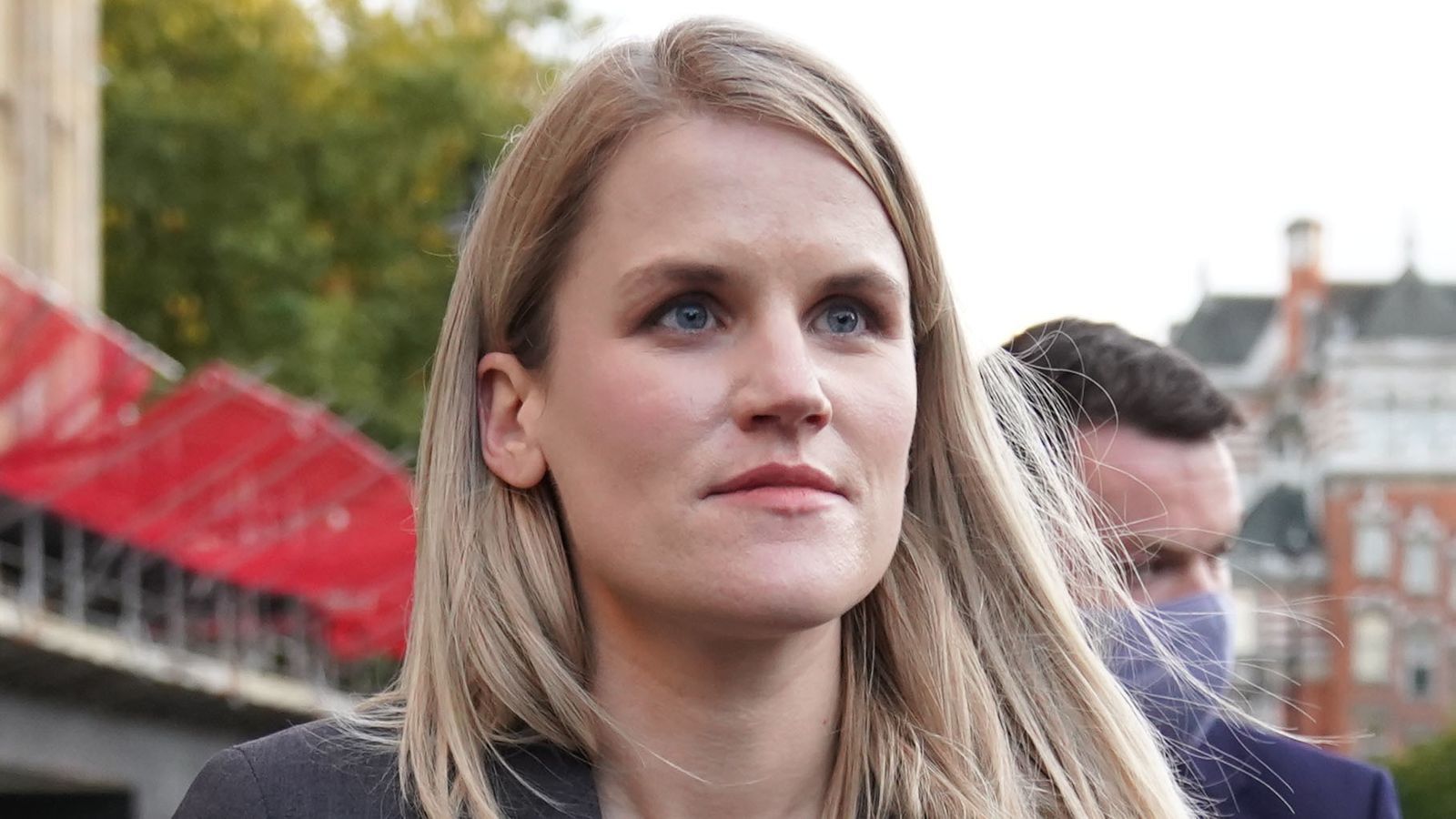
Facebook whistleblower Frances Haugen leaked documents which showed the firm allegedly knew about the harm its products cause


The technology will now be limited to certain services such as helping people gain access to their locked accounts or unlock a personal device, according to Facebook.

In 2019, Facebook stopped using the software to identify users' friends in uploaded pictures and automatically suggested they "tag" them, while San Francisco became the first US city to ban the use of the technology.

Facebook's decision follows the likes of Amazon, Microsoft and IBM, which last year ended or paused the sale of facial recognition software to police over concerns of false identifications.

This is the latest change at Facebook in recent days after it announced on 28 October it would be changing its company name to Meta.

The company has rebranded to focus on building technology for the "metaverse", which it sees as the next stage of the internet.

Newsletter

Related Articles

0:00
0:00
Close
The Great Western Exit: Why Best Citizens Are Fleeing the Rich World [PODCAST]
The New Robber Barons of Intelligence: Are AI Bosses More Powerful Than Rockefeller?
The End of the Old Order [Podcast]
Britain’s Democracy Is Now a Costume
The AI Gold Rush Is Coming for America’s Last Open Spaces [Podcast]
The Pentagon’s AI Squeeze: Eight Tech Giants Get In, Anthropic Gets Shut Out [Podcast]
The War Map: Professor Jiang’s Dark Theory of Iran, Trump, China, Russia, Israel, and the Coming Global Shock [Podcast]
Labour Is No Longer a National Party [Podcast]
AI Isn’t Stealing Your Job. It’s Dismantling It Piece by Piece.
Lawyers vs Engineers: Why China Builds While America Litigates [Podcast]
Churchill’s Glass: The Drunk, the Doctor, and the Myth Britain Refuses to Sober Up From
Apple issues an unusual warning: this is how your iPhone can be hacked without you doing anything
Kennedy’s Quiet War on Antidepressants Sparks Alarm Across America’s Medical Establishment
The Met Gala Meets the Age of Billionaire Backlash
Russian Oligarch’s Superyacht Crosses Hormuz via Iran-Controlled Route
Gunfire Disrupts White House Correspondents’ Dinner as Trump Is Evacuated
A Leak, a King, and a Fracturing Alliance
Inside the Gates Foundation Turmoil: Layoffs, Scrutiny, and the Cost of Reputational Risk
UK Biobank Breach Exposes Health Data of 500,000, Listed for Sale on Chinese Platform
KPMG Cuts Around 10% of US Audit Partners After Failed Exit Push
French Police Probe Suspected Weather-Data Tampering After Unusual Polymarket Bets on Paris Temperatures
CATL Unveils Revolutionary EV Battery Tech: 1000 km Range and 7-Minute Charging Ahead of Beijing Auto Show
Crypto Scammers Capitalize on Maritime Chaos Near the Strait of Hormuz: A Rising Threat to Shipping Companies
Changi Airport: How Singapore Engineered the World’s Most Efficient Travel Experience
Power Dynamics: Apple’s Leadership Shakeup, Geopolitical Risks in the Strait of Hormuz, and Europe's Energy Strategy Amidst Global Challenges
Apple's Leadership Transition: Can New CEO John Ternus Navigate AI Challenges and Geopolitical Pressures?
Italy’s €100K Tax Gambit: Europe’s Soft Power Tax Haven
News Roundup
Microsoft lost 2.5 millions users (French government) to Linux
Privacy Problems in Microsoft Windows OS
News roundup
Péter András Magyar and the Strategic Reset of Hungary
Hungary After the Landslide — A Strategic Reset in Europe
Meghan Markle Plans Exclusive Women-Focused Retreat During Australia Visit
Starmer and Trump Hold Strategic Talks on Securing Strait of Hormuz Amid Rising Tensions
Unofficial Australia Visit by Prince Harry and Meghan Expected to Stir Tensions with Royal Circles
Pipeline Attack Cuts Significant Share of Saudi Arabia’s Oil Export Capacity
UK Stocks Rise on Ceasefire Momentum and Renewed Focus on Diplomacy
UK to Hold Further Strategic Talks on Strait of Hormuz Security
Starmer Voices Frustration as Global Tensions Drive Up UK Energy Costs
UK Students Voice Concern Over Proposal for Automatic Military Draft Registration
Rising Volatility Drives Uncertainty in UK Fuel and Petrol Prices
UK Moves to Deploy ‘Skyhammer’ Anti-Drone System to Strengthen Airspace Defense
New Analysis Explores UK Budget Mechanics in ‘Behind the Blue’ Feature
Man Arrested After Four Die in Channel Crossing Tragedy
UK Tightens Immigration Framework with New Sponsor Rules and Fee Increases
UK Foreign Secretary Highlights Impact of Intensified Strikes in Lebanon
UK Urges Inclusion of Lebanon in US-Iran Ceasefire Framework
UK Stocks Ease as Ceasefire Doubts in Middle East Weigh on Investor Confidence
UK Reassesses Cloud Strategy Amid Criticism Over Limited Support Measures
×