London Daily

Focus on the big picture.
Sunday, Jul 12, 2026

Energy suppliers warned over direct debit hikes

Energy suppliers warned over direct debit hikes

The energy regulator has said it has seen "troubling signs" that suppliers may have been increasing direct debit payments by "more than is necessary".

Ofgem said it was concerned that firms may be directing customers to energy deals that aren't in their "best interest".

It comes as households face significant increases in their energy bills.

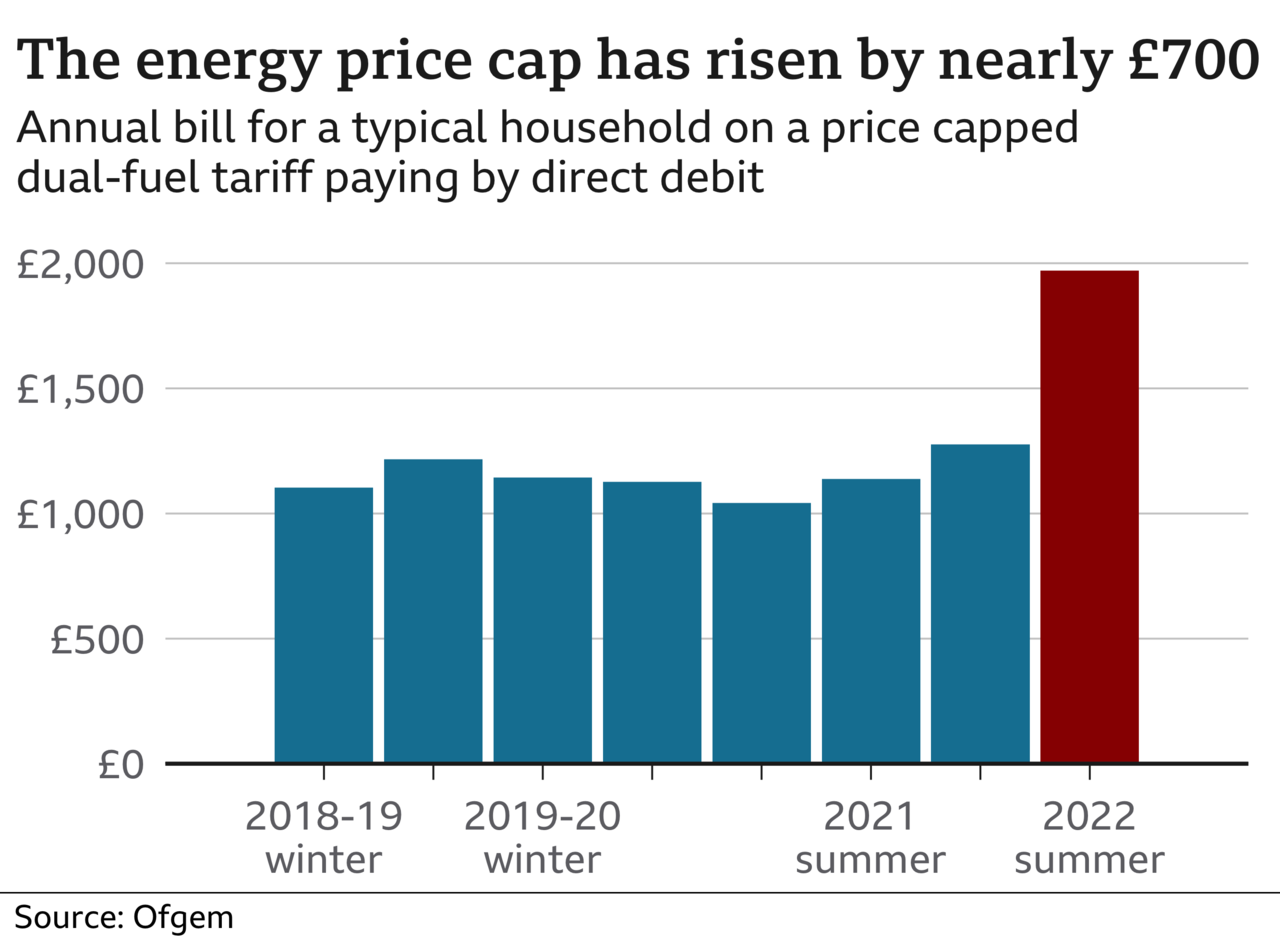
On 1 April, yearly bills increased by an average of £693 for about 18 million households on standard tariffs.

And some 4.5 million prepayment customers saw an average increase of £708 - from £1,309 to £2,017.

Energy experts have encouraged customers to take and submit meter readings as the changes take effect, in an attempt to save cash.

Jonathan Brearley, chief executive of Ofgem, said the regulator had received information from consumer groups and the public about "bad practices" by some suppliers.

"We are also seeing troubling signs that some companies are reacting to these changes by allowing levels of customer service to deteriorate," he wrote in a blog post on Ofgem's website.

He added that they were also concerned about "the way some vulnerable customers are being treated when they fall into difficulties".

'Substantial' fines


Mr Brearly said Ofgem planned a series of reviews and "stricter supervision" of energy firms over its concerns that the suppliers may have been increasing direct debit payments by "more than is necessary", or directing customers to tariffs that "may not be in their best interest".

The regulator said it would issue "substantial fines" to firms found failing to comply with the measures.

Energy bills have increased because the energy price cap - the maximum price suppliers in England, Wales and Scotland can charge households - is being raised.

Energy firms have been able to increase bills by 54% following the introduction of the new cap on 1 April.

The price cap is reviewed every six months, and prices are expected to rise yet again in October.

A report by the bank Investec has warned bills could reach £3,000 a year.

Experts encouraged people without smart meters to submit gas and electricity meter readings on 31 March to ensure that they had logged the use of less expensive rates for energy before the changes took place on 1 April.

If you can't submit your readings, you should take a photo with the meter reading and meter serial number both clearly visible to submit at a later date.

It's worth noting too that logging an extra reading to give a more accurate picture of your energy usage could see your bills go up if it is more than your company had forecast.

What help is available?


People struggling to afford energy bills can seek advice from charities such as Citizens Advice, Turn2Us or the StepChange debt charity.

All the big energy firms also have hardship funds that can offer assistance if someone is struggling to pay.

The government has said it will offer extra help worth a total of £350 via the council tax system in England too.

The warm house discount scheme will also be expanded to cover three million households. It offers low income households a one-off annual discount on their electricity bill, and was worth £140 in 2021-22.

In October customers in England, Scotland and Wales will receive a £200 rebate on their energy bills. They will have to repay this at £40 a year for five years, starting in April 2023.

The Northern Ireland energy market is separate, but the government has said £150m would be available to support households.

Newsletter

Related Articles

0:00
0:00
Close
World Cup Visitors Turn American Big-Box Stores Into Souvenir Stops
Netflix Weighs Always-On Channels, Bundles and Short-Form Video
Passenger Is Pulled Partly Outside Ryanair Jet After Window Fails Mid-Flight
Innovation-led growth strategy
Public service reform pressure
Defence and industrial security
Labour leadership transition and economic reset
Northern England Pushes for Greater Influence in Britain’s Future Economic Model
UK Technology Strategy Focuses on Life Sciences, Digital Innovation and Research Investment
Britain and United States Maintain Focus on Pharmaceuticals Cooperation and Industrial Growth
UK Public Services Face Continued Pressure as Government Promises Visible Improvements
Regional Economic Power Becomes Key Theme in Britain’s Next Political Phase
Britain Expands Support for Small Businesses as Firms Seek Better Access to Finance
UK Economy Remains Central Political Challenge as Cost of Living and Growth Concerns Persist
National Health Service Introduces New Workplace Reviews to Improve Conditions for Healthcare Staff
UK Life Sciences Sector Secures More Than Three Billion Pounds in Investment to Support Innovation
Britain Strengthens Defence Strategy as Security Concerns Reshape Military and Industrial Policy
Andy Burnham Promises Stronger UK Defence Industry and Expanded Domestic Production
UK Government Faces Difficult Spending Choices as Labour Leadership Transition Approaches
Rachel Reeves Warns Andy Burnham of Immediate Economic Challenges After Expected Leadership Change
Andy Burnham Prepares to Lead UK Government With Plans for Regional Power Shift and Economic Reset
Government Creates Emergency Support Scheme for Financially Struggling Universities
United Kingdom Replaces Traditional Farm Subsidies With Payments Linked to Environmental Performance
National Grid Reports First Week of Electricity Generation Without Fossil Fuels
United Kingdom Financial Regulator Introduces Tougher Capital Rules for Cryptocurrency Exchanges
Belfast Harbour Expands Operations to Attract Investment Through United Kingdom and European Union Market Access
Scottish Government Threatens Legal Challenge Over Westminster Cuts to North Sea Transition Funding
United Kingdom Accelerates Trans-Pennine High-Speed Rail Project Linking Northern Cities
United Kingdom Secures Ten Billion Pound Investment for Cambridge Quantum Computing Campus
Port Talbot Steelworks Wins Support for Green Hydrogen Transition and Protection of Industrial Jobs
United Kingdom Sends Royal Navy Carrier Strike Group to Indo-Pacific as Regional Security Focus Expands
National Health Service Expands Artificial Intelligence Diagnostics Across England to Reduce Screening Backlogs
United Kingdom Launches Fifty Billion Pound Infrastructure Fund to Accelerate Housing and Construction
UK Medical Chiefs Update Health Guidance to Promote Everyday Physical Activity
Office of Communications Keeps Wikipedia Under Review Under UK Online Safety Rules
UK Defence Ministry Expands Deep-Strike Capability Through Precision Missile Programme
Russell Group Universities Warn Funding Cuts Could Damage NHS Workforce Training
UK Parliament Calls for National Emergency Broadcast as Heatwave Conditions Intensify
UK and Netherlands Strengthen Naval Cooperation With New Amphibious Defence Partnership
UK Defence Ministry Joins International Missile Programme With One Hundred and Ninety Million Pound Investment
Bank of England Warns Middle East Conflict and AI Risks Could Pressure UK Economy
UK Government Introduces New Rules to Limit Foreign Influence in Political Donations
UK and France Prepare Naval Mission to Protect Shipping Through Strait of Hormuz
United States Pressures UK to Increase Defence Spending at NATO Summit
Bank of England Warns Artificial Intelligence Investment Boom Could Create Financial Stability Risks
Bank of England Begins Direct Oversight of Critical Technology Providers Supporting UK Finance
Andy Burnham Set to Become UK Prime Minister After Labour Leadership Race Clears Path to Downing Street
Scottish Fishing Industry Calls for Emergency Support Amid Rising Costs
UK Supports Stronger European Response to Russian Actions in Ukraine
Devon and Cornwall Police Release Suspect in Ann Widdecombe Murder Investigation
×