Starmer Says UK Cannot Ignore China After Trump Criticises Trade Strategy
The British prime minister defends engagement with Beijing amid criticism from former U.S. President Donald Trump, stressing pragmatic diplomacy and economic interests
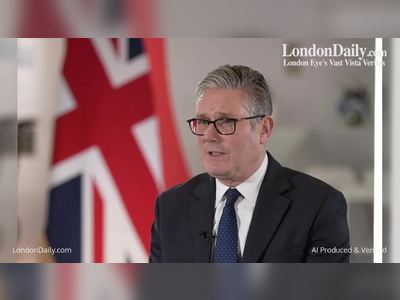
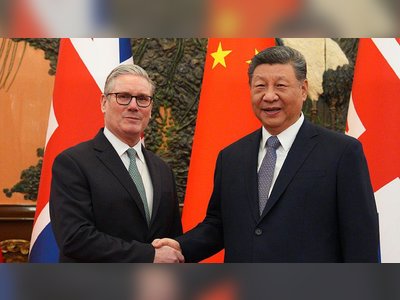
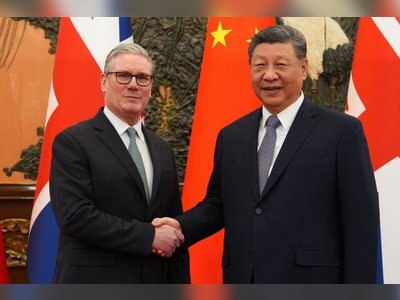
British Prime Minister Keir Starmer reaffirmed his government’s position that the United Kingdom cannot ignore China’s economic and geopolitical significance, responding to recent criticism from former U.S. President Donald Trump about his approach to trade and global engagement.
Starmer argued that constructive engagement with China remains essential for the UK’s economic interests, even as London navigates strategic relationships with key allies.
In remarks made following Trump’s comments, Starmer emphasised the importance of pursuing a balanced foreign policy that recognises China’s integral role in global trade while upholding core British values and strategic priorities.
He said that engaging with China on issues such as trade, climate cooperation and regional stability is necessary in a complex international environment where isolation could undermine national interests and global influence.
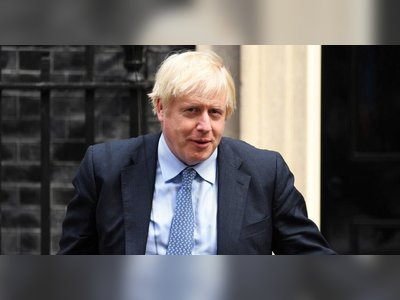
Trump, who has been outspoken about his preference for a more confrontational stance toward Beijing, criticised what he characterised as Starmer’s willingness to deepen economic ties with China.
Trump asserted that closer trade relations could expose Western economies to unfair practices and strategic vulnerabilities, urging the UK to align more closely with U.S. policy on limiting China’s influence.
Starmer responded by underscoring the distinction between constructive engagement and uncritical alignment.
He said the UK remains committed to working with allies, including the United States, on shared challenges, but that it must also pursue avenues that benefit the British economy and strengthen domestic industries.
"We must engage with the world as it is, not as we wish it were," Starmer said, highlighting the need for nuanced diplomacy that addresses both competition and cooperation.
The prime minister’s remarks reflect ongoing debates within Western capitals about how to balance economic interests with geopolitical strategy, particularly in relation to China’s growing global footprint.
Starmer has framed his approach as one that seeks to protect British jobs and trade opportunities while maintaining a firm stance on human rights and security concerns where necessary.
Senior government officials in London noted that engagement does not preclude raising differences on issues such as market access, intellectual property and regional security.
They emphasised that the UK’s trade strategy with China will be grounded in reciprocal economic benefits and aligned with the broader framework of partnerships with like-minded democracies.
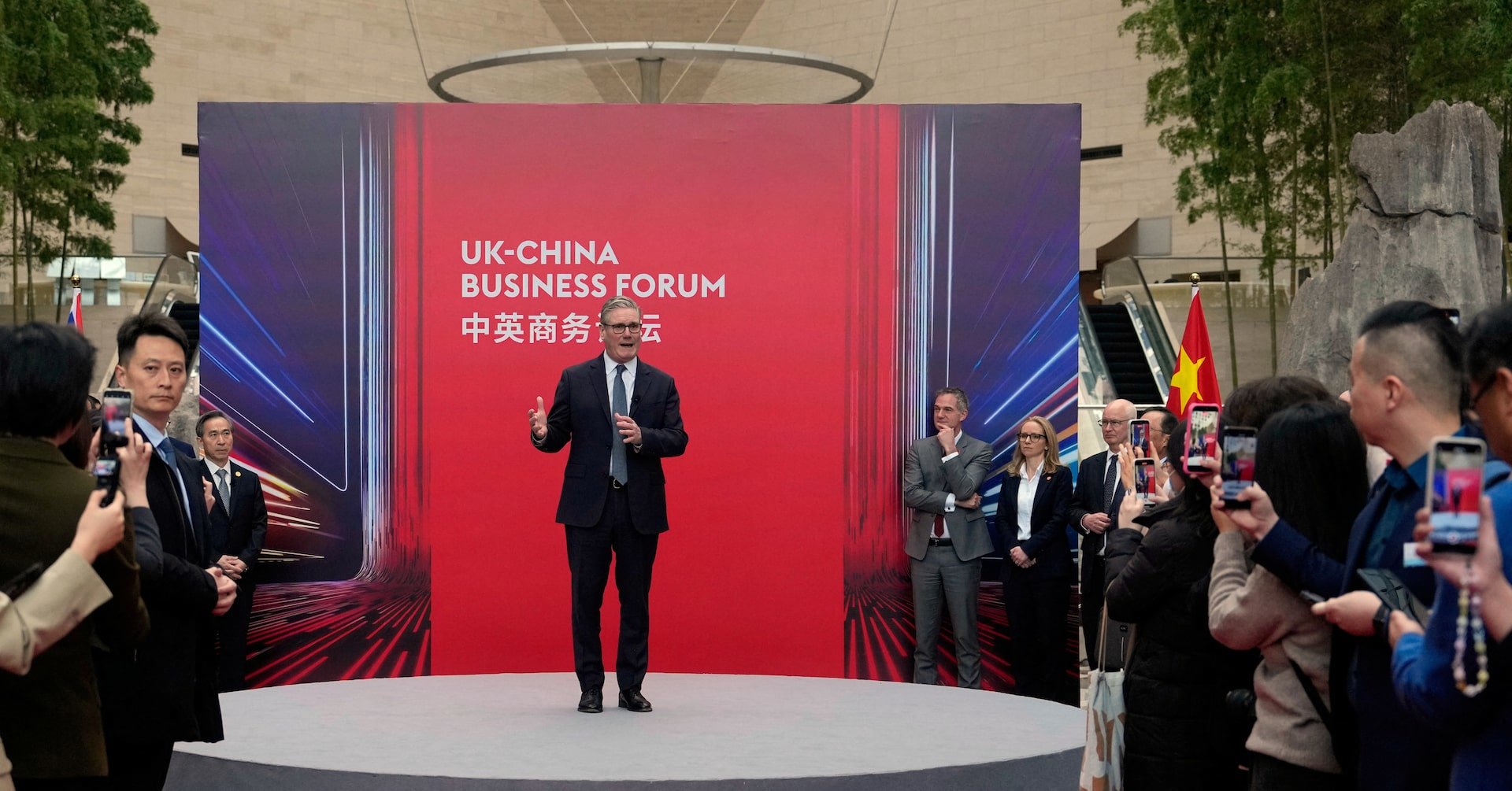
Starmer’s comments came as part of a broader tour aimed at articulating his government’s international priorities, balancing relations with major powers while seeking to secure trade deals and economic partnerships that support long-term growth.
The debate over China underscores the continued complexity of global diplomacy in an era defined by economic interdependence and strategic competition.
Starmer argued that constructive engagement with China remains essential for the UK’s economic interests, even as London navigates strategic relationships with key allies.
In remarks made following Trump’s comments, Starmer emphasised the importance of pursuing a balanced foreign policy that recognises China’s integral role in global trade while upholding core British values and strategic priorities.
He said that engaging with China on issues such as trade, climate cooperation and regional stability is necessary in a complex international environment where isolation could undermine national interests and global influence.
Trump, who has been outspoken about his preference for a more confrontational stance toward Beijing, criticised what he characterised as Starmer’s willingness to deepen economic ties with China.
Trump asserted that closer trade relations could expose Western economies to unfair practices and strategic vulnerabilities, urging the UK to align more closely with U.S. policy on limiting China’s influence.
Starmer responded by underscoring the distinction between constructive engagement and uncritical alignment.
He said the UK remains committed to working with allies, including the United States, on shared challenges, but that it must also pursue avenues that benefit the British economy and strengthen domestic industries.
"We must engage with the world as it is, not as we wish it were," Starmer said, highlighting the need for nuanced diplomacy that addresses both competition and cooperation.
The prime minister’s remarks reflect ongoing debates within Western capitals about how to balance economic interests with geopolitical strategy, particularly in relation to China’s growing global footprint.
Starmer has framed his approach as one that seeks to protect British jobs and trade opportunities while maintaining a firm stance on human rights and security concerns where necessary.
Senior government officials in London noted that engagement does not preclude raising differences on issues such as market access, intellectual property and regional security.
They emphasised that the UK’s trade strategy with China will be grounded in reciprocal economic benefits and aligned with the broader framework of partnerships with like-minded democracies.
Starmer’s comments came as part of a broader tour aimed at articulating his government’s international priorities, balancing relations with major powers while seeking to secure trade deals and economic partnerships that support long-term growth.
The debate over China underscores the continued complexity of global diplomacy in an era defined by economic interdependence and strategic competition.