London Daily

Focus on the big picture.
Monday, Jul 13, 2026

Covid: Sunderland Nightingale Hospital cost £23.5m - was it worth it?

Covid: Sunderland Nightingale Hospital cost £23.5m - was it worth it?

Sunderland's Nightingale Hospital, one of seven emergency hospitals quickly set up to take coronavirus patients, cost an estimated £23.5m but has not treated a single person. Was it worth it?

The Nightingale Hospital in Sunderland opened to much fanfare on 5 May 2020 with Tyneside TV stars Ant and Dec joining the Countess of Wessex in the celebrations.

The 460-bed hospital was built in a converted industrial unit neighbouring Nissan's giant car-making complex and the North East Air, Land and Sea Museum.
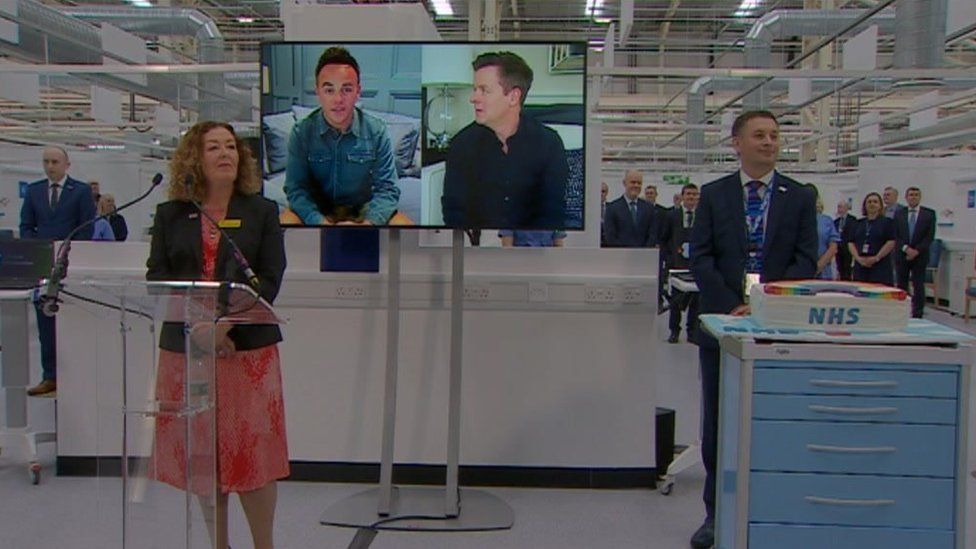
Ant and Dec joined in the opening ceremony of the hospital in May 2020

It was built as an "insurance policy" to help the region cope with coronavirus cases should existing hospitals be overwhelmed, but it was never actually needed to treat Covid patients.

While other Nightingales have now closed, Sunderland's has been turned into a vaccination centre with 150,000 people jabbed there so far.

Emma Lewell-Buck, Labour MP for South Shields, said the "ill-thought out" hospital "was not money well spent" and a "shambles from the outset".

"This money could have been spent on PPE or other things," she said.

The use of Sunderland's hospital as a vaccination centre also failed to find favour with Ms Lewell-Buck.

"There are other places that could be used as vaccination centres," she said.

Emma Lewell-Buck said the hospital was a waste of money

Dr Paul Williams, a GP who was Labour MP for Stockton until 2019 and a candidate in the recent Hartlepool by-election, said it had been a "tremendous waste of money".

"The NHS didn't need these extra buildings," he said, adding: "They needed extra staff in order to be able to cope with the problem."
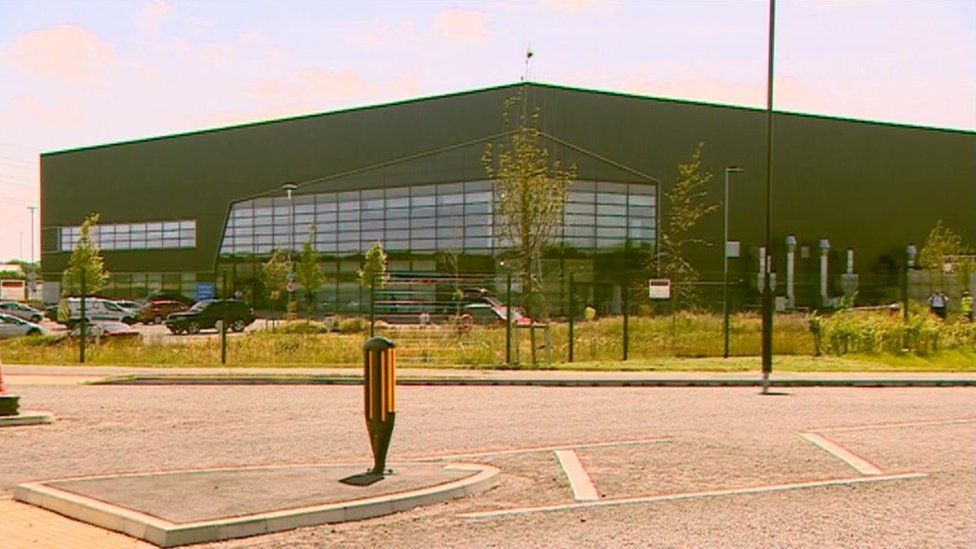
The hospital is now a vaccination centre

But Stephen O'Brien, a Liberal Democrat councillor for Sandhill on Sunderland City Council said the hospital was "the right thing to do" and the government "had to give some sort of provision for overspill".

"We needed something here," he said.

"What would have happened if the government sat on their hands and let hundreds, if not thousands, of people die outside a care centre?

"It would have been disgraceful."

Stephen O'Brien said the hospital was the "right thing to do"

The exact cost is yet to be released but the BBC North East & Cumbria Impact Team understands at least £23.5m was spent to build and maintain the site, with the true figure likely to be much higher.

Funding came from central government and the project was managed by the Newcastle Hospitals NHS Trust.

Accounts from the trust show costs included £37,900 for the services of a public relations company, £39,551 for staff lockers and £179,129 for computer equipment and installation.

'No apologies'


But that money and much more besides was far from wasted, according to the Department of Health and Social Care.

Equipment from the NHS Nightingales will be redistributed to other hospitals or put in storage "for use in future crises", a spokeswoman said.

The fact the hospital never treated a patient also misses the point of the Nightingales, the government said.

"The Nightingale hospitals were the final insurance policy to protect NHS capacity," the spokeswoman said, adding: "We make no apologies for supporting the amazing people in our NHS and taking decisive action to save lives."

The spokeswoman said it was "thanks to the tireless efforts" of healthcare workers "on the frontline" that hospitals were not overwhelmed and therefore Sunderland's Nightingale was not called into action.

"Decisions on how NHS Nightingale Hospitals were used were rightly made by local clinicians, who know their regions and the pressures they faced best," the spokeswoman added.

Newsletter

Related Articles

0:00
0:00
Close
World Cup Visitors Turn American Big-Box Stores Into Souvenir Stops
Netflix Weighs Always-On Channels, Bundles and Short-Form Video
Passenger Is Pulled Partly Outside Ryanair Jet After Window Fails Mid-Flight
Innovation-led growth strategy
Public service reform pressure
Defence and industrial security
Labour leadership transition and economic reset
Northern England Pushes for Greater Influence in Britain’s Future Economic Model
UK Technology Strategy Focuses on Life Sciences, Digital Innovation and Research Investment
Britain and United States Maintain Focus on Pharmaceuticals Cooperation and Industrial Growth
UK Public Services Face Continued Pressure as Government Promises Visible Improvements
Regional Economic Power Becomes Key Theme in Britain’s Next Political Phase
Britain Expands Support for Small Businesses as Firms Seek Better Access to Finance
UK Economy Remains Central Political Challenge as Cost of Living and Growth Concerns Persist
National Health Service Introduces New Workplace Reviews to Improve Conditions for Healthcare Staff
UK Life Sciences Sector Secures More Than Three Billion Pounds in Investment to Support Innovation
Britain Strengthens Defence Strategy as Security Concerns Reshape Military and Industrial Policy
Andy Burnham Promises Stronger UK Defence Industry and Expanded Domestic Production
UK Government Faces Difficult Spending Choices as Labour Leadership Transition Approaches
Rachel Reeves Warns Andy Burnham of Immediate Economic Challenges After Expected Leadership Change
Andy Burnham Prepares to Lead UK Government With Plans for Regional Power Shift and Economic Reset
Government Creates Emergency Support Scheme for Financially Struggling Universities
United Kingdom Replaces Traditional Farm Subsidies With Payments Linked to Environmental Performance
National Grid Reports First Week of Electricity Generation Without Fossil Fuels
United Kingdom Financial Regulator Introduces Tougher Capital Rules for Cryptocurrency Exchanges
Belfast Harbour Expands Operations to Attract Investment Through United Kingdom and European Union Market Access
Scottish Government Threatens Legal Challenge Over Westminster Cuts to North Sea Transition Funding
United Kingdom Accelerates Trans-Pennine High-Speed Rail Project Linking Northern Cities
United Kingdom Secures Ten Billion Pound Investment for Cambridge Quantum Computing Campus
Port Talbot Steelworks Wins Support for Green Hydrogen Transition and Protection of Industrial Jobs
United Kingdom Sends Royal Navy Carrier Strike Group to Indo-Pacific as Regional Security Focus Expands
National Health Service Expands Artificial Intelligence Diagnostics Across England to Reduce Screening Backlogs
United Kingdom Launches Fifty Billion Pound Infrastructure Fund to Accelerate Housing and Construction
UK Medical Chiefs Update Health Guidance to Promote Everyday Physical Activity
Office of Communications Keeps Wikipedia Under Review Under UK Online Safety Rules
UK Defence Ministry Expands Deep-Strike Capability Through Precision Missile Programme
Russell Group Universities Warn Funding Cuts Could Damage NHS Workforce Training
UK Parliament Calls for National Emergency Broadcast as Heatwave Conditions Intensify
UK and Netherlands Strengthen Naval Cooperation With New Amphibious Defence Partnership
UK Defence Ministry Joins International Missile Programme With One Hundred and Ninety Million Pound Investment
Bank of England Warns Middle East Conflict and AI Risks Could Pressure UK Economy
UK Government Introduces New Rules to Limit Foreign Influence in Political Donations
UK and France Prepare Naval Mission to Protect Shipping Through Strait of Hormuz
United States Pressures UK to Increase Defence Spending at NATO Summit
Bank of England Warns Artificial Intelligence Investment Boom Could Create Financial Stability Risks
Bank of England Begins Direct Oversight of Critical Technology Providers Supporting UK Finance
Andy Burnham Set to Become UK Prime Minister After Labour Leadership Race Clears Path to Downing Street
Scottish Fishing Industry Calls for Emergency Support Amid Rising Costs
UK Supports Stronger European Response to Russian Actions in Ukraine
Devon and Cornwall Police Release Suspect in Ann Widdecombe Murder Investigation
×