
Concerns Grow Over Russian Surveillance of UK Undersea Communication Cables
Security officials intensify monitoring as suspected activity targets critical subsea infrastructure linking Britain to global networks
Security concerns are mounting in the United Kingdom over suspected Russian efforts to monitor and potentially interfere with the country’s undersea communication cables, a vital component of global digital and economic connectivity.
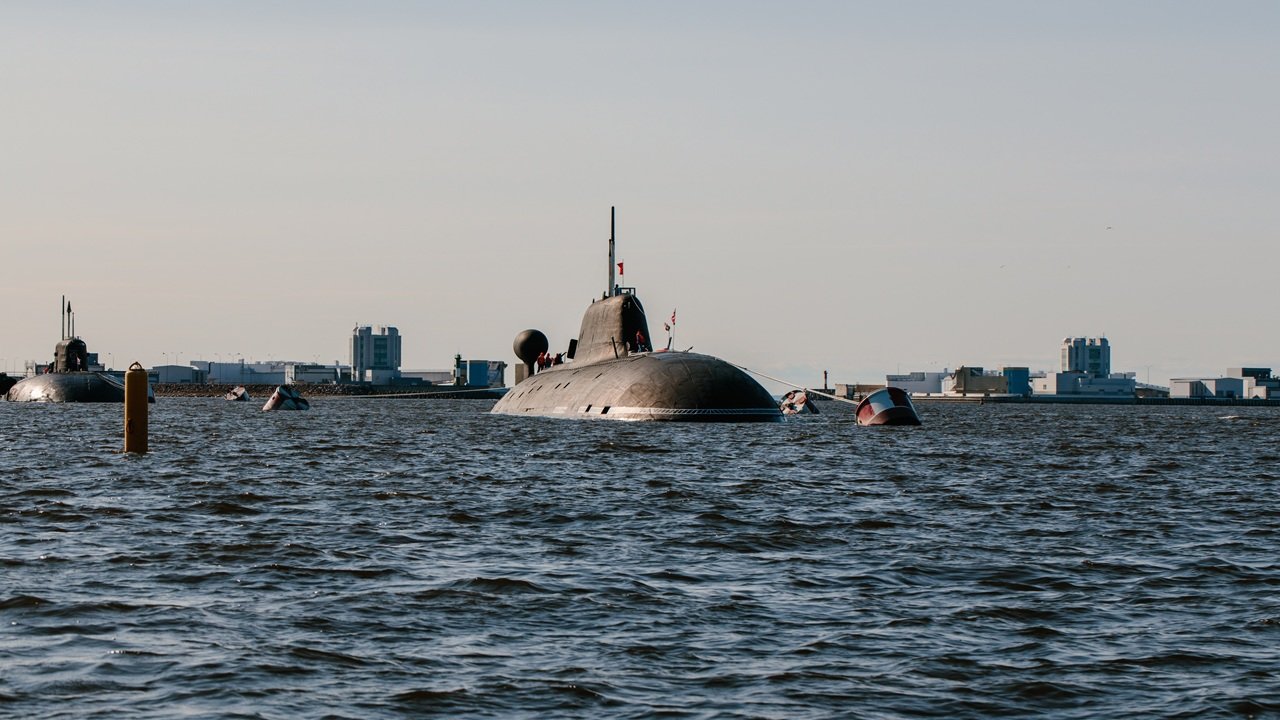
British defence and intelligence officials are closely tracking increased activity by Russian vessels near key subsea cable routes, which carry the vast majority of international internet traffic and financial data.
These cables form the backbone of modern communication systems, making their security a strategic priority for national infrastructure protection.
Authorities have indicated that the observed movements are consistent with reconnaissance operations, raising concerns that such activity could be used to map or exploit vulnerabilities in critical networks.
While there is no confirmed disruption, the potential risks have prompted heightened vigilance across government and security agencies.
The issue has gained urgency amid a broader context of geopolitical competition, where infrastructure resilience has become a central element of national security strategy.
Undersea cables, often located in remote and difficult-to-monitor environments, are particularly exposed to covert operations.
The UK has been strengthening its capabilities to monitor and protect subsea assets, including increased naval patrols and coordination with allies.
Efforts are also underway to enhance the resilience of communication networks through redundancy and improved detection systems.
Officials have emphasized the importance of international cooperation in safeguarding global infrastructure, as many cable systems are shared across multiple countries and jurisdictions.
This has led to closer collaboration with partners in Europe and North America to monitor activity and respond to emerging threats.
Analysts note that while undersea cable surveillance is not a new phenomenon, advances in technology and rising geopolitical tensions have elevated its significance.
The ability to access or disrupt these systems could have far-reaching consequences for financial markets, government communications, and everyday digital services.
The situation underscores the growing focus on protecting critical infrastructure in an increasingly interconnected world, where physical assets underpin the digital economy and national security alike.
British defence and intelligence officials are closely tracking increased activity by Russian vessels near key subsea cable routes, which carry the vast majority of international internet traffic and financial data.
These cables form the backbone of modern communication systems, making their security a strategic priority for national infrastructure protection.
Authorities have indicated that the observed movements are consistent with reconnaissance operations, raising concerns that such activity could be used to map or exploit vulnerabilities in critical networks.
While there is no confirmed disruption, the potential risks have prompted heightened vigilance across government and security agencies.
The issue has gained urgency amid a broader context of geopolitical competition, where infrastructure resilience has become a central element of national security strategy.
Undersea cables, often located in remote and difficult-to-monitor environments, are particularly exposed to covert operations.
The UK has been strengthening its capabilities to monitor and protect subsea assets, including increased naval patrols and coordination with allies.
Efforts are also underway to enhance the resilience of communication networks through redundancy and improved detection systems.
Officials have emphasized the importance of international cooperation in safeguarding global infrastructure, as many cable systems are shared across multiple countries and jurisdictions.
This has led to closer collaboration with partners in Europe and North America to monitor activity and respond to emerging threats.
Analysts note that while undersea cable surveillance is not a new phenomenon, advances in technology and rising geopolitical tensions have elevated its significance.
The ability to access or disrupt these systems could have far-reaching consequences for financial markets, government communications, and everyday digital services.
The situation underscores the growing focus on protecting critical infrastructure in an increasingly interconnected world, where physical assets underpin the digital economy and national security alike.