London Daily

Focus on the big picture.
Monday, Jan 19, 2026

Chris Whitty: I worry people won't accept more Covid curbs

Chris Whitty: I worry people won't accept more Covid curbs

England's Chief Medical Officer Chris Whitty has said his "greatest worry" is whether people will accept fresh curbs on activities to tackle Covid variants.

His comments came after the government announced quarantines on travellers from some African countries following the emergence of a new strain.

Prof Whitty said he questioned whether "we could take people with us" if restrictions had to be imposed.

England has been through three national lockdowns since Covid first struck.

There have also been many local restrictions imposed at various points during the past 20 months.

Prof Whitty told a panel discussion hosted by the Local Government Association: "My greatest worry at the moment is that people... if we need to do something more muscular at some point, whether it's for the current new variant or at some later stage, can we still take people with us?"

But he added that, despite previous restrictions being "very destructive" to society and the economy, the public had shown an "extraordinary" ability to "just accept that there are things we collectively have to do to protect one another and do collectively".

Prof Whitty added, however, that it had become harder to ensure compliance over time, saying: "It's easier to be confident of people's response right at the beginning than it is after people put up with two years of their lives being interfered with."

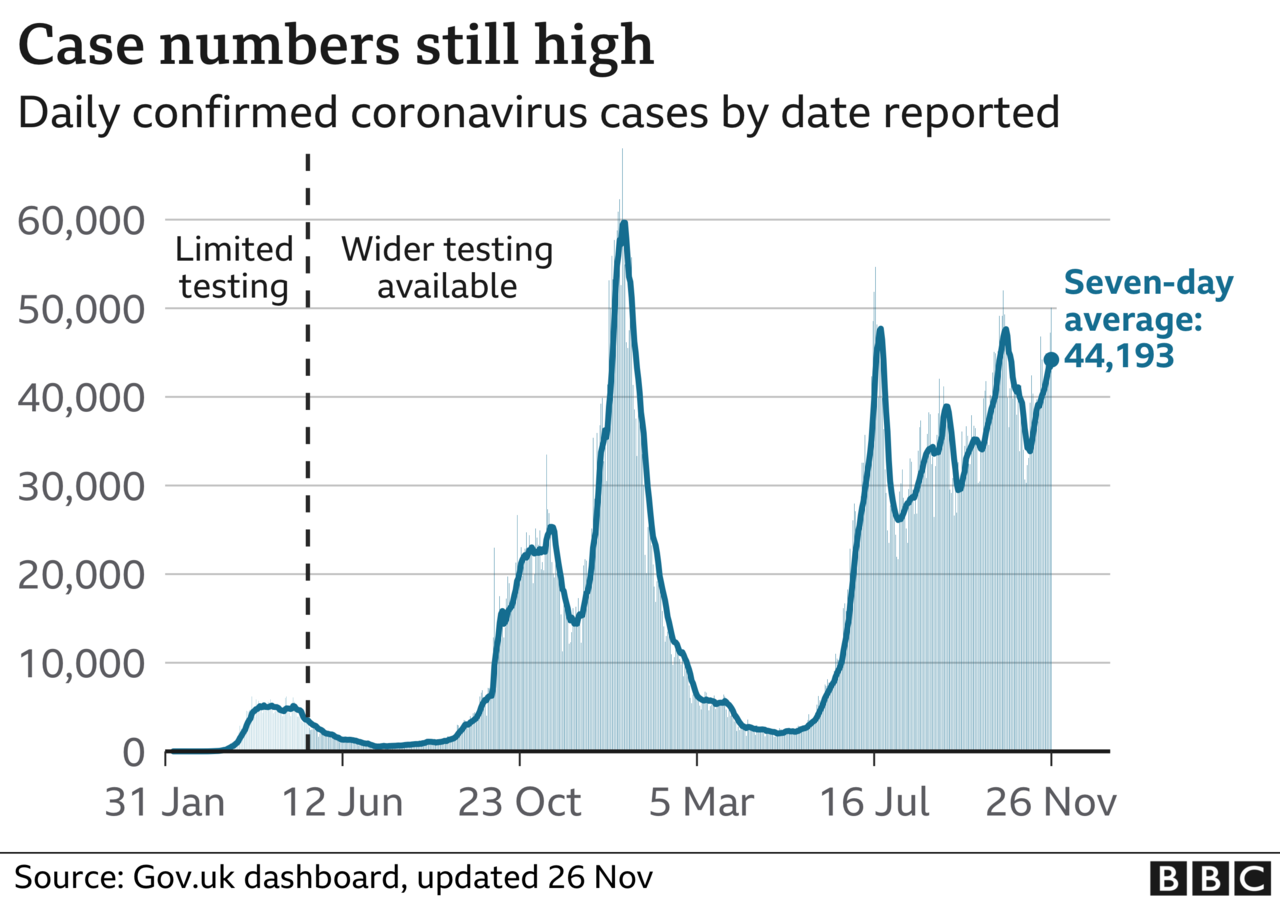
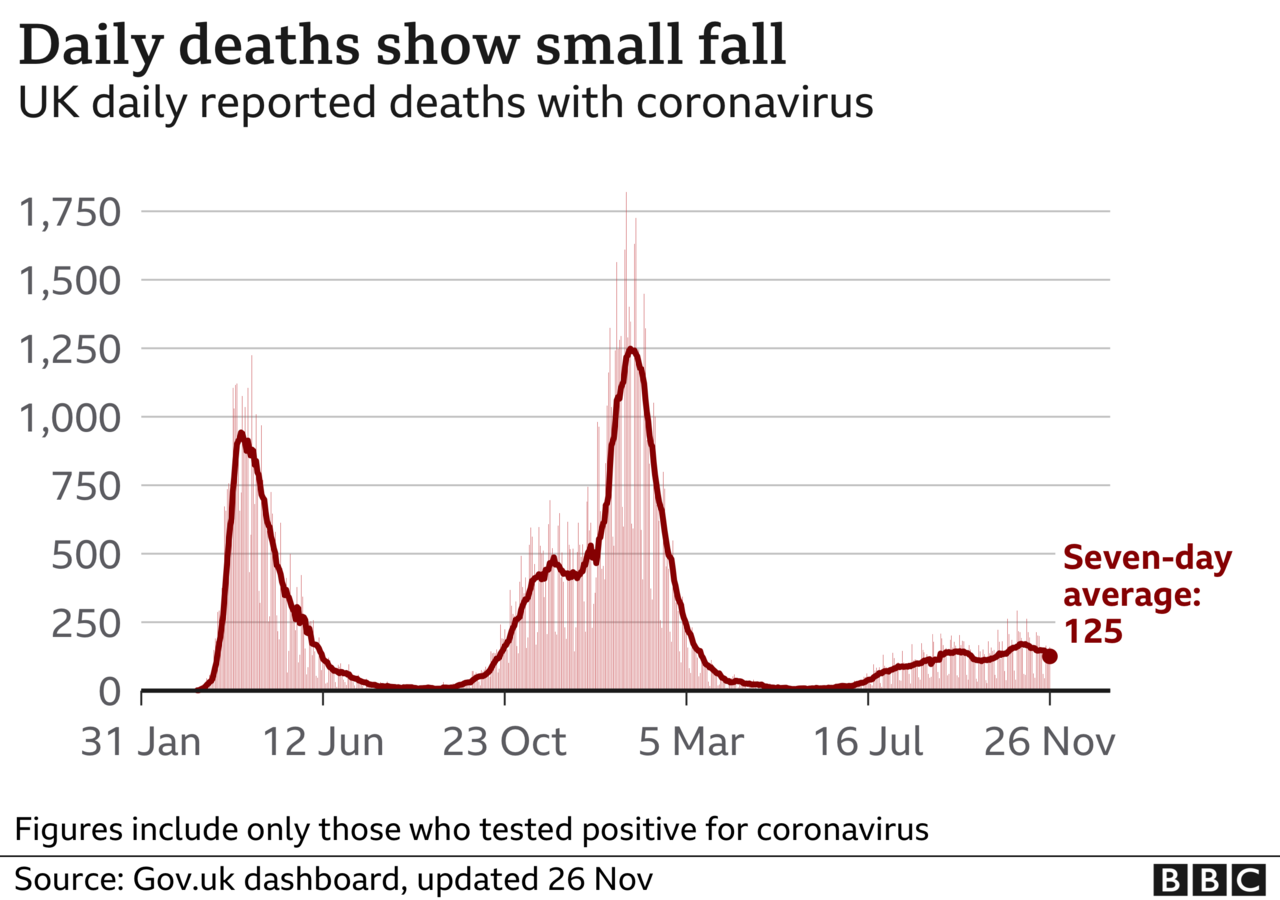
There have been a further 50,091 Covid cases in the UK and another 160 deaths within 28 days of a positive test, the latest government figures show.

Both deaths and the number of people admitted to hospital continue to trend lower despite the rise in cases. It is likely we're seeing the impact of the booster campaign protecting the most vulnerable people and keeping them out of hospital.

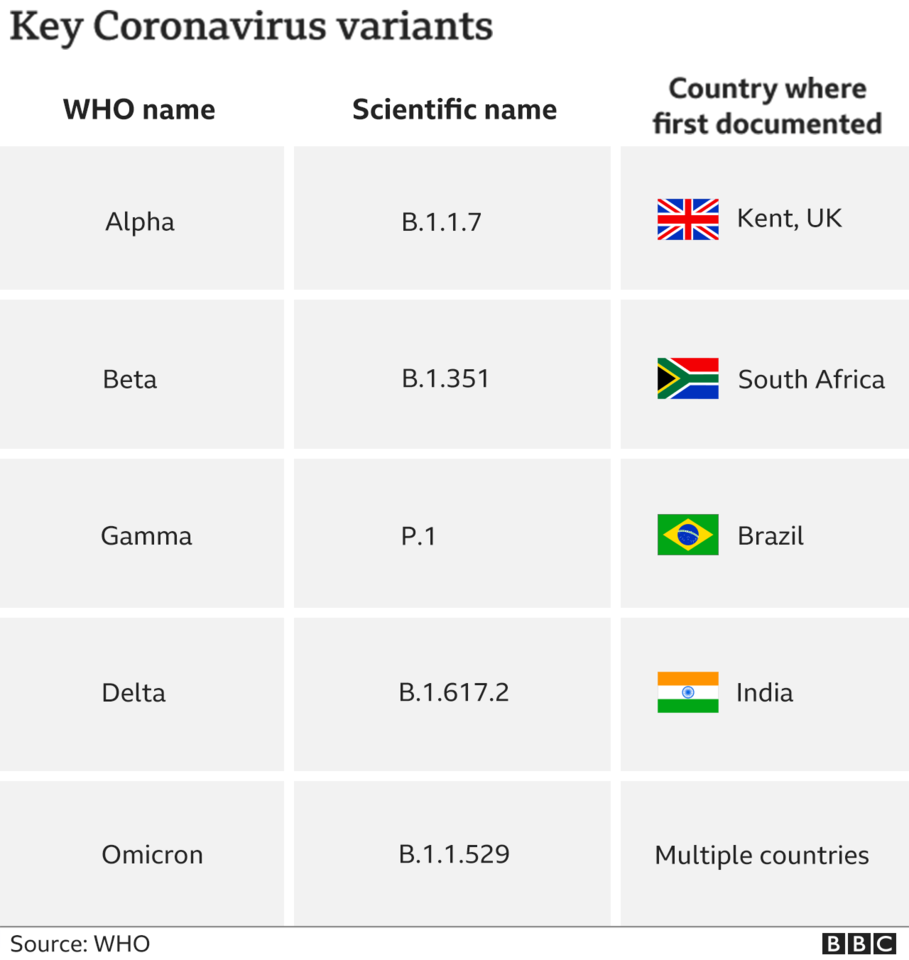
On Friday, Health Secretary Sajid Javid told the House of Commons it was "highly likely" the B.1.1.529 variant - which has been named Omicron by the World Health Organization - had already spread from South Africa and Botswana. No cases have yet been detected in the UK.

Travellers from these countries, as well as Namibia, Zimbabwe, Lesotho and Eswatini, will have to self-isolate for 10 days, with those arriving in England after 04:00 GMT on Sunday having to quarantine in a hotel.

Former Health Secretary Matt Hancock told BBC Radio 4's PM programme: "The government are right to be cautious and they've moved very swiftly to bring these travel restrictions in, and that's the right thing to do, especially as there's so much uncertainty about this new variant."

He added: "I hope very much that we can avoid further restrictions here, not least because of the breadth of the vaccination programme."

But there are fears the new variant might be more transmissible, that vaccines might be less effective against it and that it might affect one of the UK's major treatments, Ronapreve.

Belgium has become the first European country to confirm a case of the new variant. The European Union is already struggling to cope with fresh waves of coronavirus, and several countries have re-imposed lockdowns and restrictions.

Since Thursday a number of countries have placed restrictions on travel from southern Africa amid concerns about the variant.

The EU has agreed to ban flights from Botswana, Eswatini, Lesotho, Mozambique, Namibia, South Africa and Zimbabwe, following a call to do so from the European Commission on Friday.

The US has also banned visitors from those countries, and from Malawi.

Newsletter

Related Articles

0:00
0:00
Close
Trump Aides Say U.S. Has Discussed Offering Asylum to British Jews Amid Growing Antisemitism Concerns
UK Seeks Diplomatic De-escalation with Trump Over Greenland Tariff Threat
Prince Harry Returns to London as High Court Trial Begins Over Alleged Illegal Tabloid Snooping
High-Speed Train Collision in Southern Spain Kills at Least Twenty-One and Injures Scores
Meghan Markle May Return to the U.K. This Summer as Security Review Advances
Trump’s Greenland Tariff Threat Sparks EU Response and Risks Deep Transatlantic Rift
Prince Harry’s High Court Battle With Daily Mail Publisher Begins in London
Trump’s Tariff Escalation Presents Complex Challenges for the UK Economy
UK Prime Minister Starmer Rebukes Trump’s Greenland Tariff Strategy as Transatlantic Tensions Rise
Prince Harry’s Last Press Case in UK Court Signals Potential Turning Point in Media and Royal Relations
OpenAI to Begin Advertising in ChatGPT in Strategic Shift to New Revenue Model
GDP Growth Remains the Most Telling Barometer of Britain’s Economic Health
Prince William and Kate Middleton Stay Away as Prince Harry Visits London Amid Lingering Rift
Britain Braces for Colder Weather and Snow Risk as Temperatures Set to Plunge
Mass Protests Erupt as UK Nears Decision on China’s ‘Mega Embassy’ in London
Prince Harry to Return to UK to Testify in High-Profile Media Trial Against Associated Newspapers
Keir Starmer Rejects Trump’s Greenland Tariff Threat as ‘Completely Wrong’
Trump to hit Europe with 10% tariffs until Greenland deal is agreed
Prince Harry Returns to UK High Court as Final Privacy Trial Against Daily Mail Publisher Begins
Britain Confronts a Billion-Pound Wind Energy Paradox Amid Grid Constraints
The graduate 'jobpocalypse': Entry-level jobs are not shrinking. They are disappearing.
Cybercrime, Inc.: When Crime Becomes an Economy. How the World Accidentally Built a Twenty-Trillion-Dollar Criminal Economy
The Return of the Hands: Why the AI Age Is Rewriting the Meaning of “Real Work”
UK PM Kier Scammer Ridicules Tories With "Kamasutra"
Strategic Restraint, Credible Force, and the Discipline of Power
United Kingdom and Norway Endorse NATO’s ‘Arctic Sentry’ Mission Including Greenland
Woman Claiming to Be Freddie Mercury’s Secret Daughter Dies at Forty-Eight After Rare Cancer Battle
UK Launches First-Ever ‘Town of Culture’ Competition to Celebrate Local Stories and Boost Communities
Planned Sale of Shell and Exxon’s UK Gas Assets to Viaro Energy Collapses Amid Regulatory and Market Hurdles
UK Intensifies Arctic Security Engagement as Trump’s Greenland Rhetoric Fuels Allied Concern
Meghan Markle Could Return to the UK for the First Time in Nearly Four Years If Security Is Secured
Meghan Markle Likely to Return to UK Only if Harry Secures Official Security Cover
UAE Restricts Funding for Emiratis to Study in UK Amid Fears Over Muslim Brotherhood Influence
EU Seeks ‘Farage Clause’ in Brexit Reset Talks to Safeguard Long-Term Agreement Stability
Starmer’s Push to Rally Support for Action Against Elon Musk’s X Faces Setback as Canada Shuns Ban
UK Free School Meals Expansion Faces Political and Budgetary Delays
EU Seeks ‘Farage Clause’ in Brexit Reset Talks With Britain
Germany Hit by Major Airport Strikes Disrupting European Travel
Prince Harry Seeks King Charles’ Support to Open Invictus Games on UK Return
Washington Holds Back as Britain and France Signal Willingness to Deploy Troops in Postwar Ukraine
Elon Musk Accuses UK Government of Suppressing Free Speech as X Faces Potential Ban Over AI-Generated Content
Russia Deploys Hypersonic Missile in Strike on Ukraine
OpenAI and SoftBank Commit One Billion Dollars to Energy and Data Centre Supplier
UK Prime Minister Starmer Reaffirms Support for Danish Sovereignty Over Greenland Amid U.S. Pressure
UK Support Bolsters U.S. Seizure of Russian-Flagged Tanker Marinera in Atlantic Strike on Sanctions Evasion
The Claim That Maduro’s Capture and Trial Violate International Law Is Either Legally Illiterate—or Deliberately Deceptive
UK Data Watchdog Probes Elon Musk’s X Over AI-Generated Grok Images Amid Surge in Non-Consensual Outputs
Prince Harry to Return to UK for Court Hearing Without Plans to Meet King Charles III
UK Confirms Support for US Seizure of Russian-Flagged Oil Tanker in North Atlantic
Béla Tarr, Visionary Hungarian Filmmaker, Dies at Seventy After Long Illness
×