

Brexit: What would no deal mean?
But the two sides say the conditions for an agreement are still "not there" - so, the discussions could end with no deal.
What would no deal mean?
It would mean significant changes to the way we live and work.
Prices could go up for the goods the UK buys and sells from and to the EU. That's because the UK and EU would trade on World Trade Organization (WTO) terms - the basic rules for countries without trade deals.
The EU would impose taxes (known as tariffs) on goods coming from the UK. The average is about 2.8% for non-agricultural products, but 10% for cars and more than 35% for dairy products. That would put some industries under pressure.
With the UK imposing tariffs on some EU goods - they could become more expensive. But the price of some things imported from the rest of the world could fall because their tariffs are being cut.
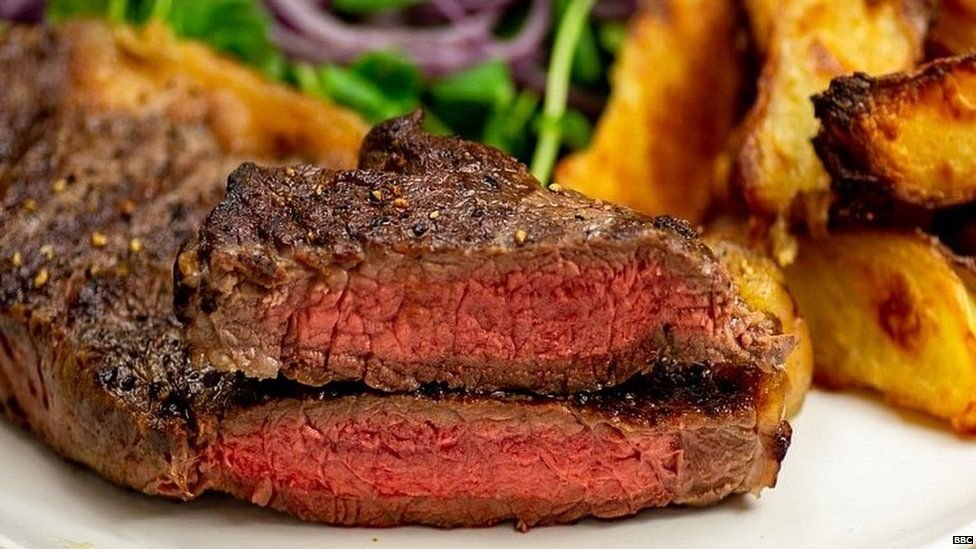
Food standards for UK exports could also be a problem. Without agreement that UK rules are acceptable in the EU, produce being sold by the UK could be stopped at the border, causing delays.
Long queues for lorries are possible because there would be more border checks. The UK is delaying having full checks for goods arriving from the EU until 1 July. But it is feared EU lorry drivers might want to avoid the UK altogether if there are long delays.
Less choice of food is a danger, according to some supermarket chains, who have said fresh food will be particularly affected. They might try to fly replacements in from elsewhere, but that would increase costs.
Northern Ireland is the subject of separate talks on how an agreement to avoid a hard border would work, but a free trade deal would have made them much easier.
It's not just trade that would be affected by no deal, as further details were expected in other areas.
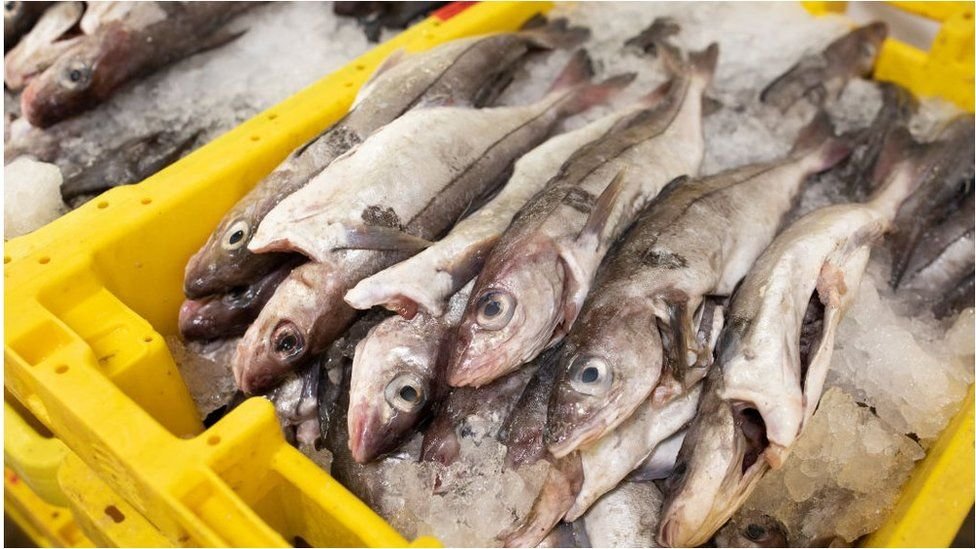
Fishing has been particularly important during the trade talks. Without a deal, non-UK fishing boats would lose access to UK waters and vice versa. It is feared there could be confrontations if boats try to continue to fish where they have traditionally done so. There are also concerns UK fish exports to the EU would be badly hit by tariffs.
Co-operation on security and data-sharing will become more difficult, causing problems for cross-border investigations. The UK would immediately lose access to databases of things like fingerprints, criminal records and wanted persons.
There are big questions about services. The UK has been waiting for a decision about whether the EU will recognise UK rules for financial services. Without that it will be difficult for UK firms to operate in the EU. Some banks have already moved offices and staff to EU countries.
The supply of medicines could be vulnerable to disruption at Channel ports, with particular worries about those with a short shelf life. There are plans in place to ensure coronavirus vaccines reach the UK.
Other deals were also possible
Talks separate to the main trade deal were also being worked on. They cover areas including:
Healthcare: The government was in talks for a healthcare arrangement that would replace EHIC, which helps people in need of treatment in EU countries.
Education: It was also in talks about the possibility of continuing to participate in Erasmus, which helps students study in other countries.
Driving: EU countries have decided UK nationals will not need International Driving Permits for short visits. But the European Commission is understood to be considering whether green cards to prove people have valid insurance are required.
Pensions: There has not yet been an agreement for people claiming their UK state pensions in an EU country that would mean their pensions increase every year.
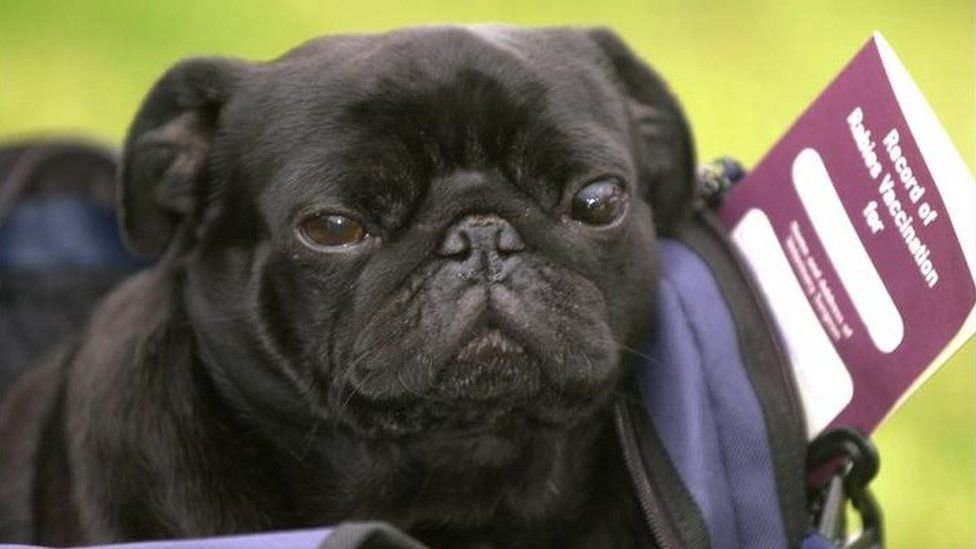
Pets: We do not yet know whether the UK will be a listed country for a new type of pet passports. It could mean you need to get your pet examined by a vet each time you travel.
What happens next if there is no trade deal?
If the UK gets to the end of the year without a trade deal with the EU, that does not mean there will never be one.
It has been suggested all the problems it would cause for both sides would focus minds on reaching a deal as soon as possible.
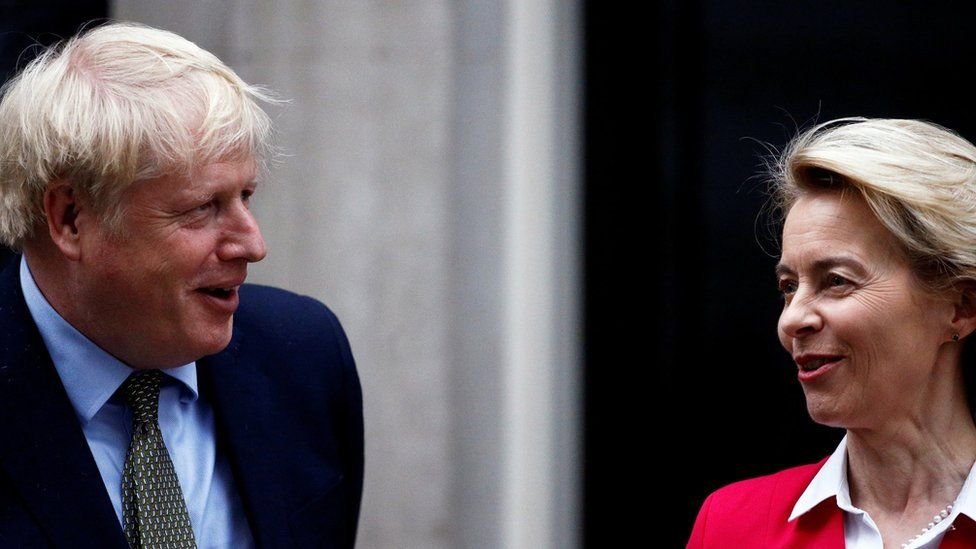
But there are those on both sides who say it could be many months into 2021 before talks were to resume in this scenario.
Some things are going to change anyway
Whether or not there is a trade deal, several things will change on 1 January.
Trips to Europe will involve more preparation. You'll have to make sure there is at least six months left on your passport and wait in a different queue at the border.
Duty free shopping will return, but there will be limits on the amount of alcohol and tobacco you can bring into the UK from the EU.
The right to live and work in the EU will no longer be automatic for UK nationals, unless they already live in an EU country by the end of 2020.
A new immigration system will come into force in the UK, involving a points-based system for people wanting to work.
Trade with the EU for UK companies will involve customs declarations, certificates, licences and special labelling for some types of foods, plants and live animals.