

7 Ways the Coronavirus Will Change How We Design, Style, and Live in Our Homes
Home is no longer just a place to rest your head. Since the 2020 coronavirus outbreak began, our homes have transitioned into makeshift offices, gyms, classrooms, restaurants, cocktail bars, concert venues, movie theaters, and more. With so many activities happening under one roof every day, small studio apartments and large family homes alike have had to adapt to incorporate new functionality, and the way we look at these spaces is changing, too. "Now more than ever we are finding the true meaning of our homes: a place where we want to feel comforted, safe, and inspired," says Lauren Nelson, a San Francisco-area interior designer. "There is so much unknown right now that we cannot control, but our homes are a space where we do have control over what we put in it, how we arrange it, and how it makes us feel."
But this change in how we view and interact with our interior spaces could last long after the current health crisis passes. "It's unclear whether people will be spending more time at home on the other side of the pandemic, but it is clear that the collective stress has made an impact," says designer and real estate developer Amalia Graziani of Noor Property Group. Here are a few ways that design experts predict interior design will change after coronavirus.
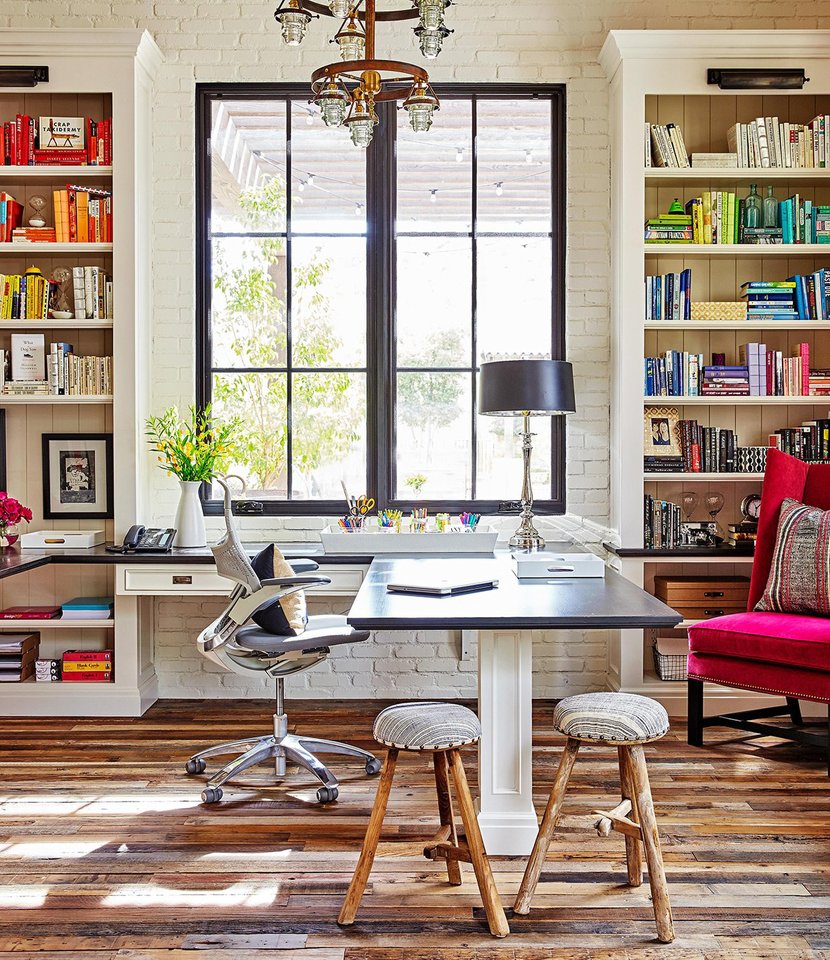
1. Larger Home Office Spaces
For many, new work-from-home policies required living rooms, guest bedrooms, and basements to suddenly function as makeshift home offices. In the future, homeowners might be more interested in larger, more defined home offices as opposed to temporary desk setups, especially as some employers enable remote work permanently. Online interior design service Modsy, for example, saw a 40% increase in home office design requests in April 2020 compared to the same month last year. For those living in smaller spaces, multifunctional pieces such as drop-down desks or stylish office furniture that doubles as decor can help blend a work station into another room more seamlessly.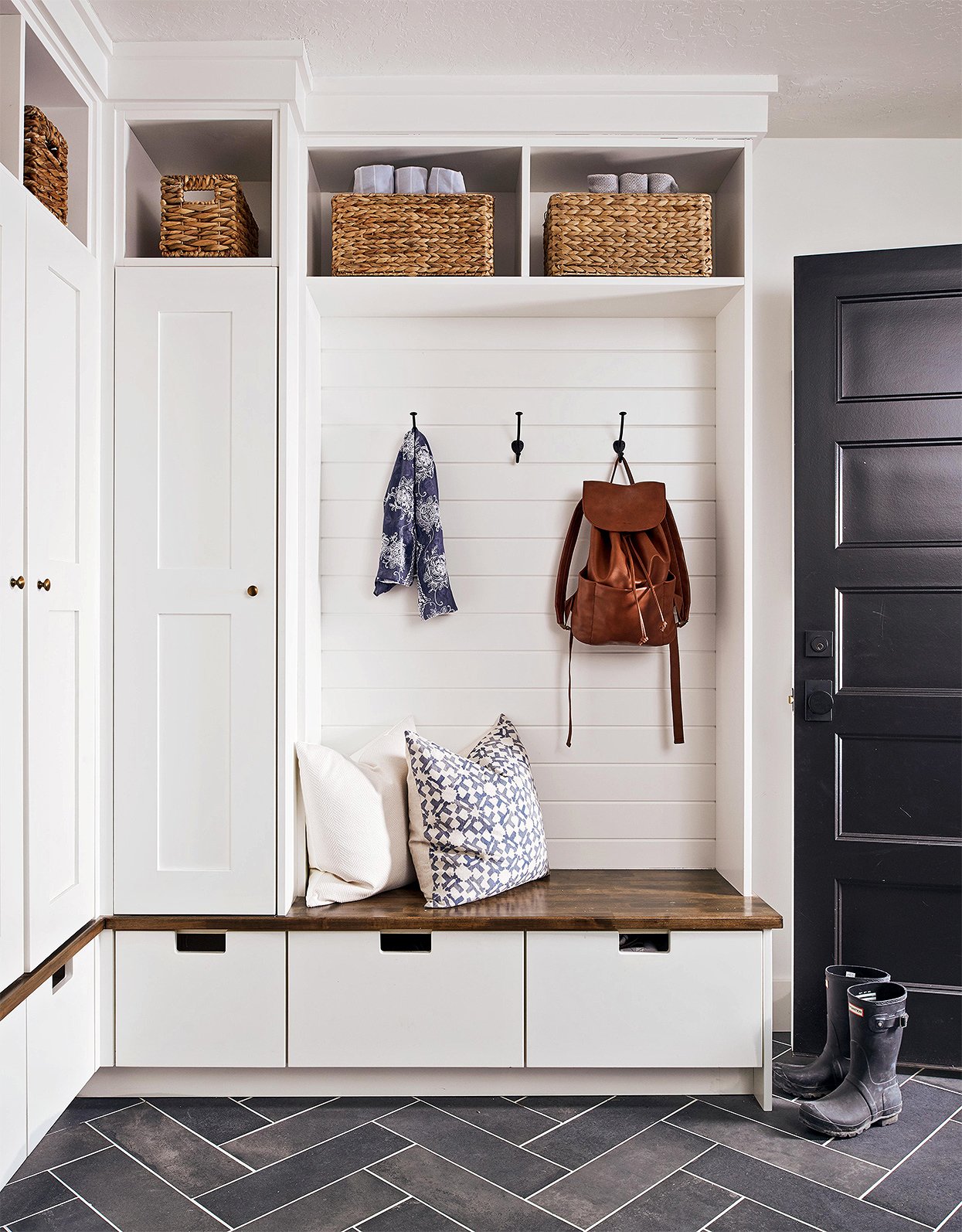
2. Defined Mudrooms and Entryways
As shelter-in-place orders limited our trips outside to the occasional grocery store run, we became more aware of the germs we could potentially bring into our homes. Entryways became the spot to remove face masks and set down items that came into contact with germy surfaces before washing hands. Los Angeles-based interior architect Sybille Zimmermann predicts these new habits will lead to a resurgence of mudrooms or alternate points of entry. "A place to remove shoes, jackets, or put down bags will help to mitigate germs and bacteria from entering the home," she says.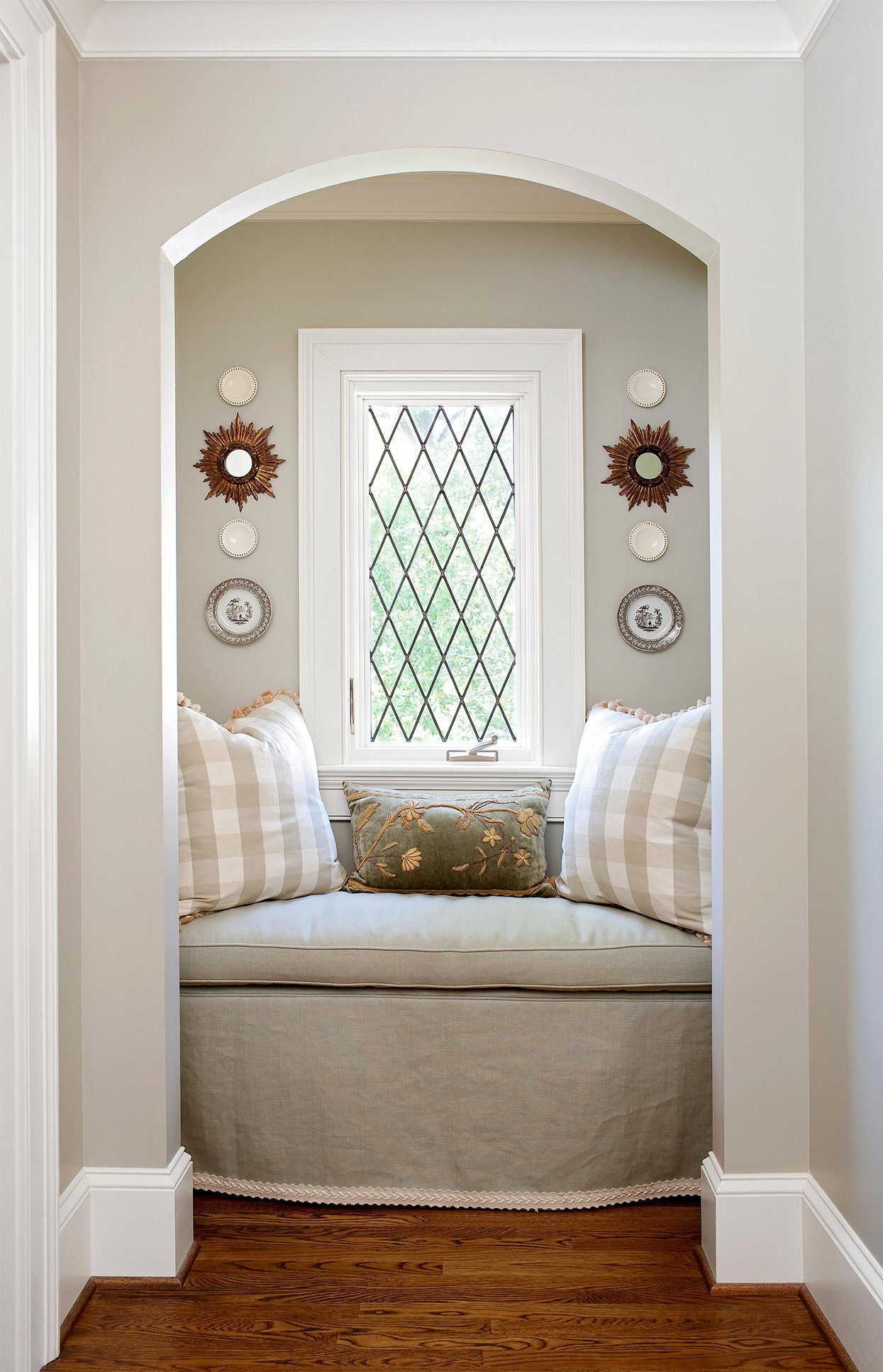
3. Private Spaces
For families isolating together, more time spent under one roof has highlighted the need for private spaces where each person can enjoy some alone time. "Being scattered all day and then gathering around the dinner table feels like a pattern of the past," says Courtney Barton, a Houston-based textile designer and shop owner. "Instead, families are striving to carve out semi-private spaces around the house to maintain productivity (and sanity!) from morning to night." In addition to more formal home offices, this renewed focus on privacy could result in separate kids' bedrooms, designated reading nooks, and home layouts with distinct spaces rather than open floor plans.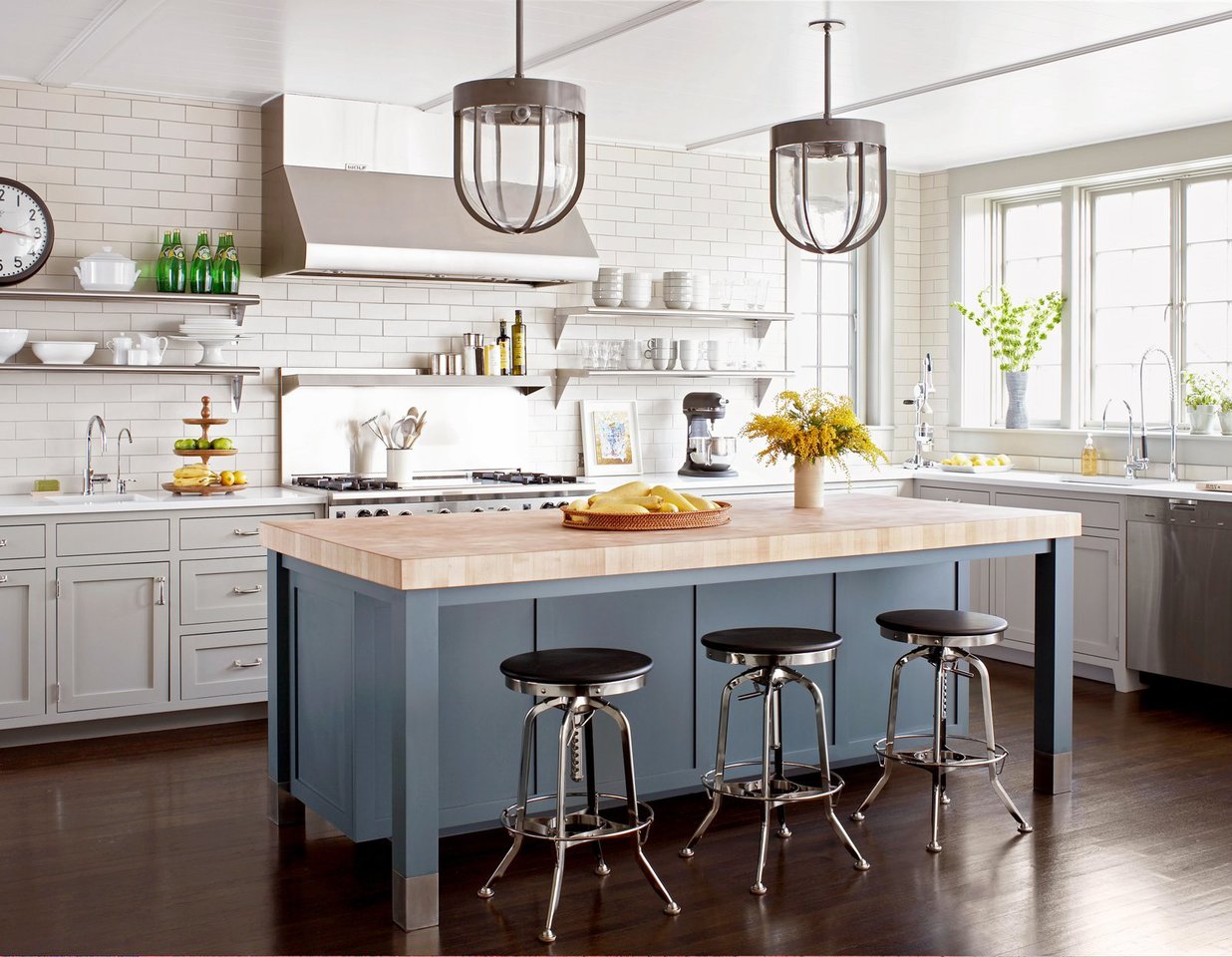
4. Thoughtfully Designed Kitchens
Experimenting with recipes has become a favorite new hobby for many sheltering in place, which has caused a revived interest in kitchen organization and design. "The frequency of cooking and how we purchase groceries have forced people to rethink how they organize and store food," Zimmermann says. "We're reevaluating how to maximize the efficiency of the kitchen with all of its extra use." Expect to see more orderly kitchen storage, larger pantries, and specialty appliances, such as bread machines and cold-brew coffee machines, that help amateur chefs achieve restaurant-style results at home.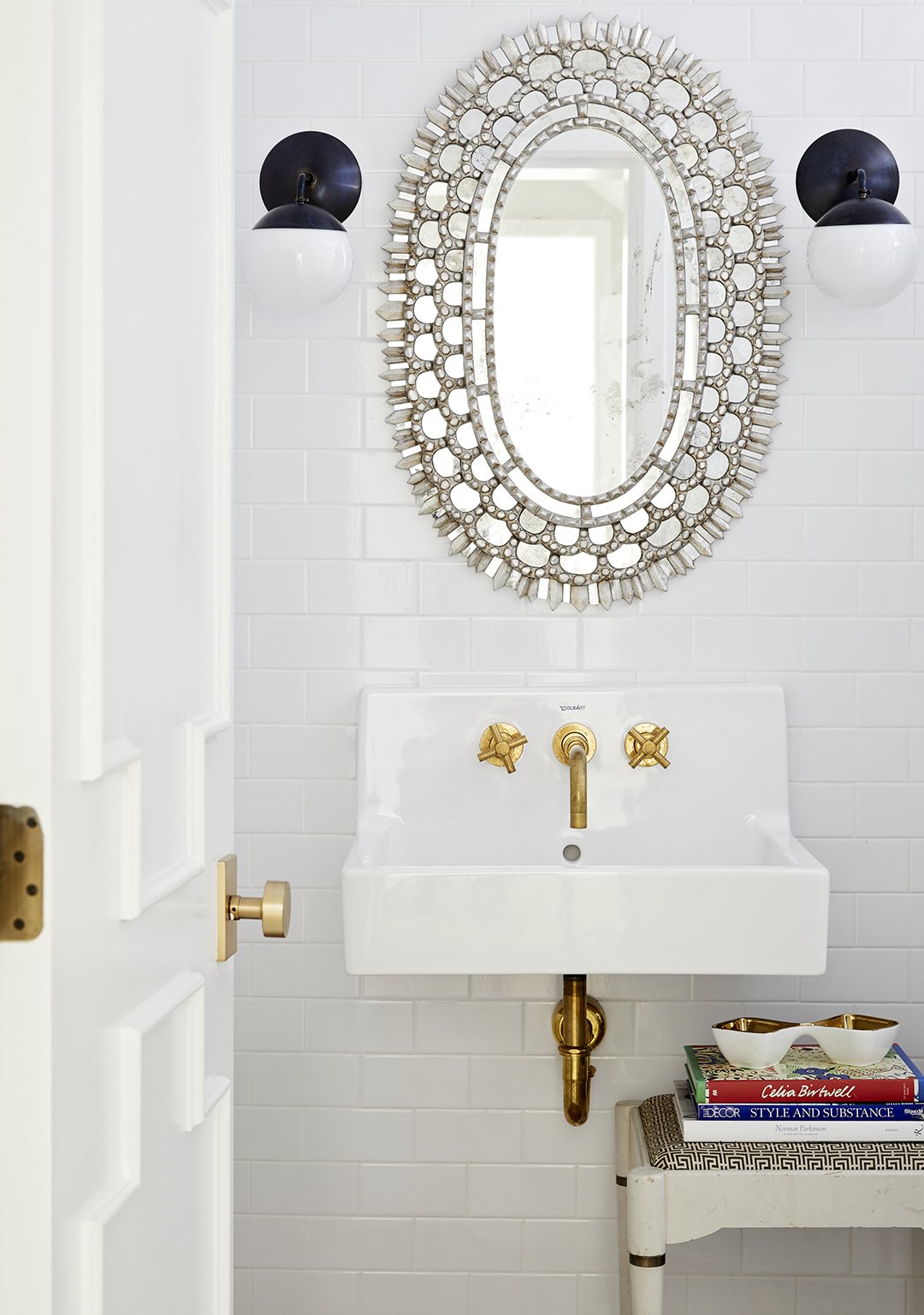
5. Hygienic Surfaces
In the future, kitchens, bathrooms, and other high-traffic areas could be designed with easy-to-clean hard surfaces, such as glazed ceramic tile, and materials that naturally repel bacteria to limit the spread of germs. "Crisis or not, it's always a good idea to use naturally antibacterial surfaces such as copper and brass to keep homes (and people) safe and healthy," Zimmermann says. No-touch technology in faucets and doorbells and increased home automation can also help reduce germs on frequently touched surfaces around the home.
6. Increased At-Home Entertaining
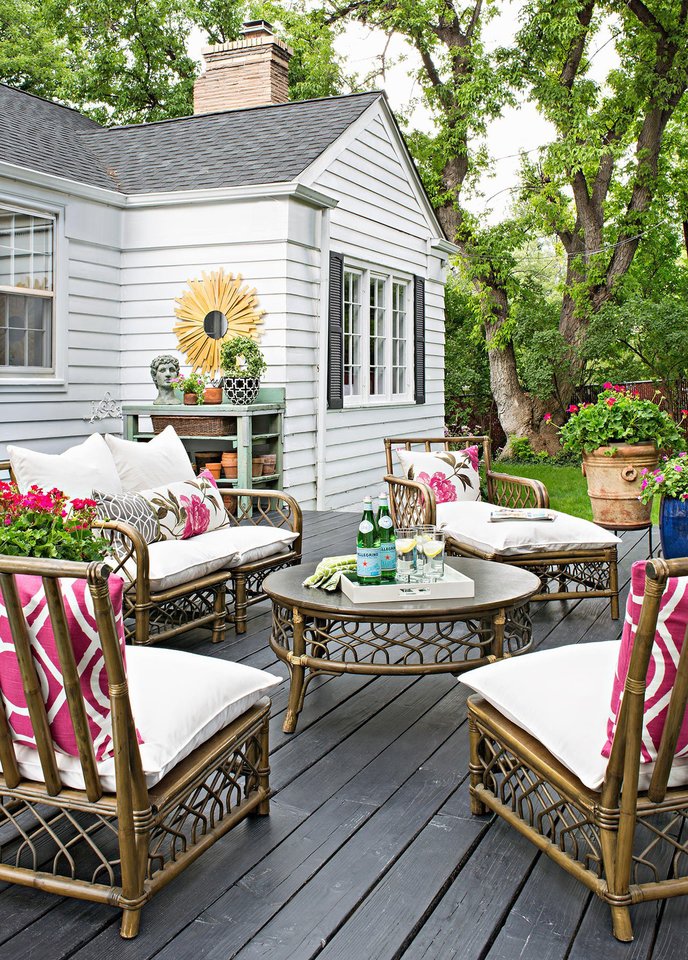
Weeks of sheltering in place reinforced the idea that home is a safe space, and that logic is likely to continue as people begin to gather in person with family and friends again. "As restaurants open their dining rooms and life starts to look more 'normal' again, I predict at-home entertaining will be more popular than ever," Barton says. "The homes of friends and family members are controlled environments, making them an inviting option for safe and comfortable celebrations and gatherings." As the weather gets warmer, backyard barbecues and patio get-togethers provide a relatively safe way to enjoy the company of others in a private setting.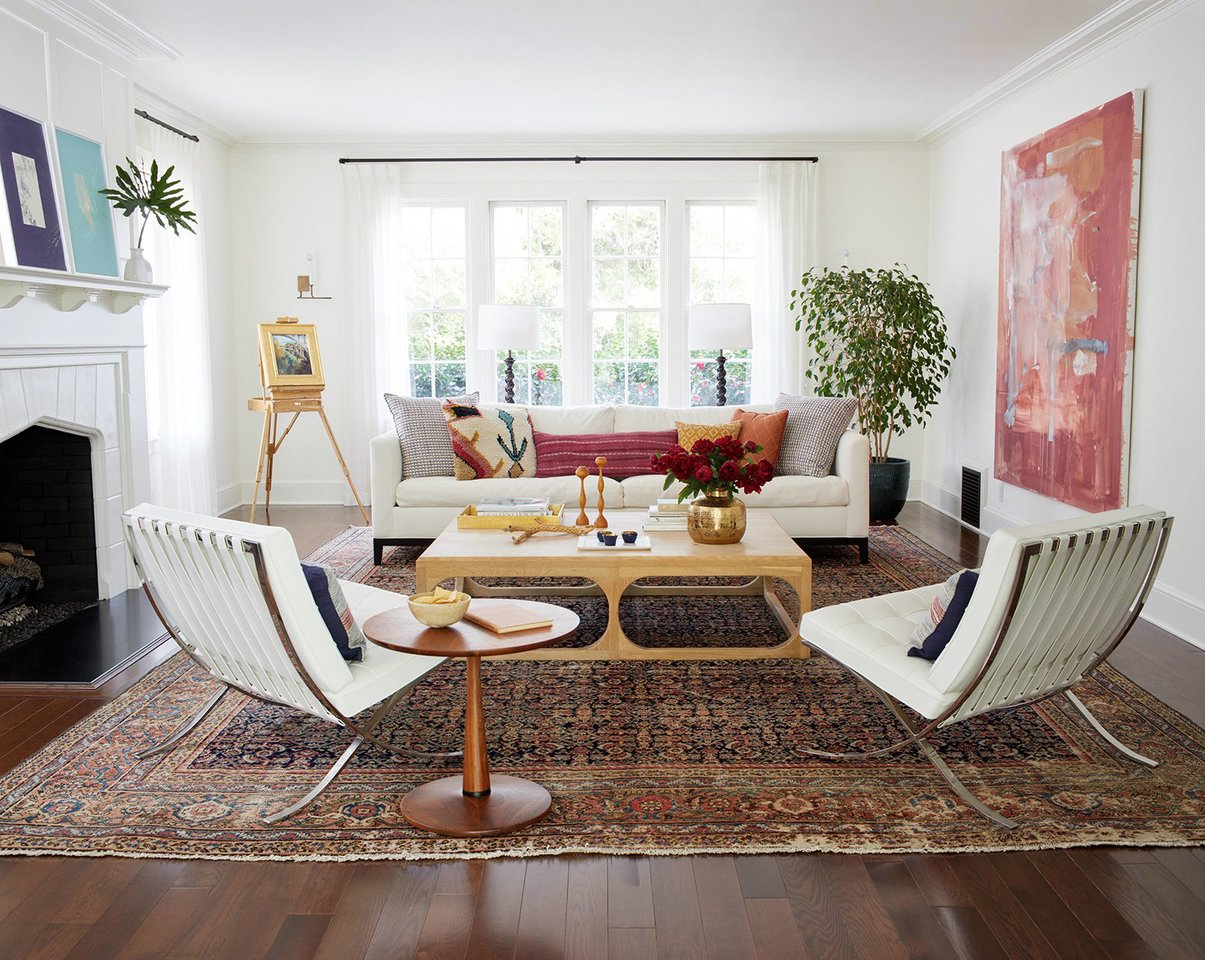
7. New Shopping Habits
As people think more critically about decorating their homes, spending a bit more for high-quality furniture and decor might be more appealing. "I think (and hope) you will see a shift back towards investing in quality, high-use pieces," says Sara Barney, an interior designer from Austin, Texas. "Gone will be the days of fast furniture and sofas you can throw away in a year." While shopping for furniture online has become the norm over browsing in person, disruptions in the supply chain have limited some options. "With custom furniture delayed and international shipments in limbo, local in-stock items are more valuable," says designer Graziani. Shopping locally also helps support small businesses that might be struggling.
Regardless of whether coronavirus results in permanent changes to interior design, the pandemic will likely cause us to look at our homes through new eyes moving forward. "I like to think this period of time has heightened the intimacy we have with our homes," interior designer Nelson says. "I absolutely think people have become more thoughtful about their spaces now that they've had the time and space to truly experience it in such a concentrated way."