London Daily

Focus on the big picture.
Tuesday, Sep 22, 2026

1 in 3 UK small firm owners say COVID rules harm more than help society

1 in 3 UK small firm owners say COVID rules harm more than help society

Small businesses are pessimistic about prospects for the UK economy.

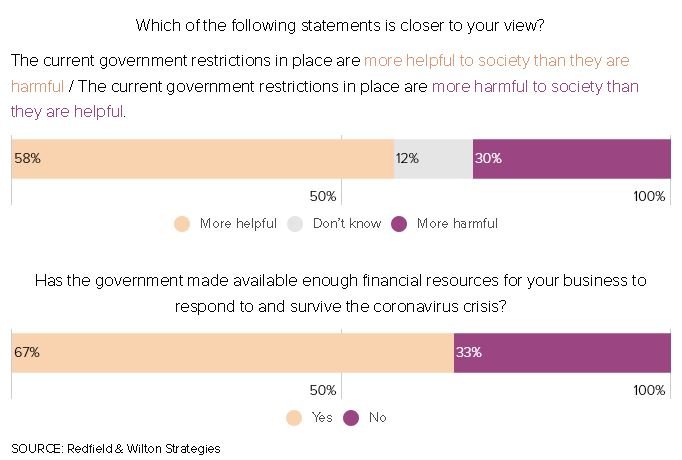
Nearly one in three small business owners in the U.K. say that government coronavirus restrictions are more harmful than helpful to society, as they struggle with the economic fallout from the pandemic.

A majority of directors at small firms (54 percent) support the government’s decision to impose strict lockdown measures, but a large slice of entrepreneurs, 30 percent, think it was the wrong approach, according to a poll of more than 1,000 small and medium-sized business owners carried out for POLITICO last week.

More than half of the small companies polled said they would open their doors tomorrow if the government were to suddenly relax lockdown rules.

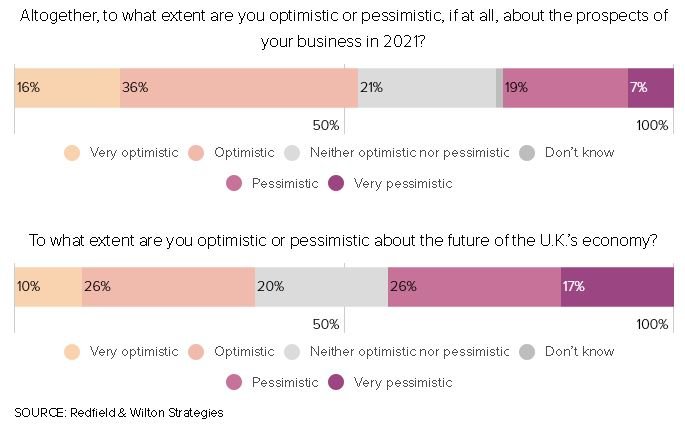
The respondents were generally not upbeat about the outlook for the U.K. economy, despite the relatively fast rollout of vaccines compared to other European countries. Forty-three percent said they were pessimistic about the outlook for the U.K. economy over the next 12 months, compared to 36 percent who felt optimistic, according to the poll carried out by business intelligence firm Redfield & Wilton Strategies.
It follows a call by the Federation of Small Businesses in late December for the government to roll out a suite of measures aimed at small companies. The letter to the chancellor asked that measures to combat the economic damage from the pandemic be extended, but also asked for new steps like cash grants and additional tax relief for small business owners.

The FSB’s own study, carried out on 11 January, showed their Small Business Index’s confidence measure had dropped to a level second only to March 2020, the worst point in the study’s 10-year history.

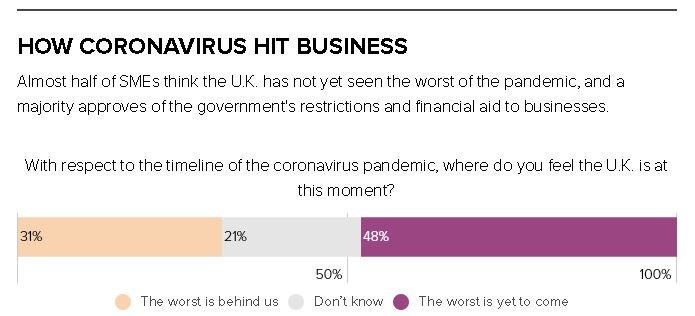
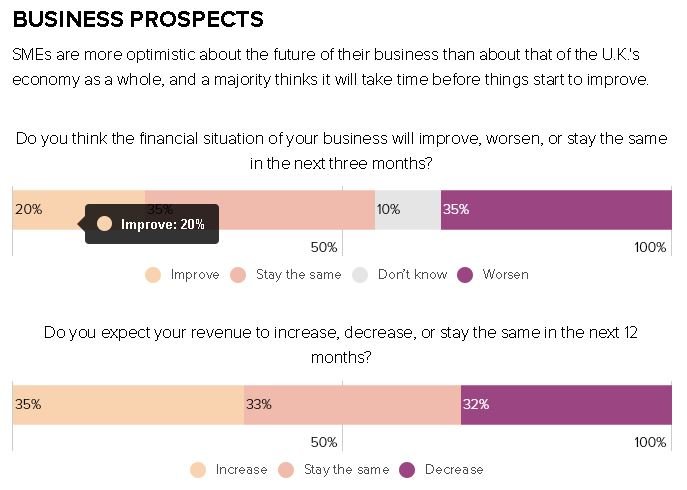
The poll for POLITICO suggested business owners are more optimistic about the prospects for their own business, though. They were close to evenly split on the outlook for their revenue in the year ahead between growing (35 percent), shrinking (32 percent) and staying the same (33 percent). Almost half still think the worst is yet to come in the battle against the virus.

Views on the financial aid dished out by the government to support businesses are also split. Nearly seven in 10 firms think that there’s been enough to help them survive the crisis, but a third, 33 percent, think the government hasn’t made enough resources available.

Newsletter

Related Articles

0:00
0:00
Close
Michelin Guide Faces Industry Questions Over Restaurant Inspection Coverage
English Woodlands Face Renewed Weather Stress From Dry Conditions and Strong Winds
Research Finds Extensive Alcohol, Gambling and Unhealthy Food Branding During 2026 World Cup
Five Charged After Newborn Baby Dies From Stab Wounds in Sheffield
BT Could Reap £2 Billion From Recycling Copper as Full-Fibre Network Expands
FCA Urges Young Adults to Trace £1.5 Billion in Unclaimed Child Trust Funds
Reform UK Names Helen Jenner as New Leader in Wales After Dan Thomas Steps Down
Resolution Foundation Calls for Broad-Based Tax Rises to Fund Higher UK Defence Spending
Ed Davey Calls for Global Treaty to Halt Development of Super-Intelligent AI
Scotland Consults on Legal Price Caps for Essential Foods
NHS Productivity Reforms Could Prevent More Than 20,000 Early Deaths a Year, Report Says
United Kingdom and ASEAN Deepen Trade and Investment Cooperation
United Kingdom Deploys RAF Refuelling Support to Saudi Arabia After Houthi Attacks
UK Fiscal Headroom Shrinks as Higher Borrowing Costs Complicate Autumn Budget
UK Public Borrowing Jumps to £18.3 Billion in August, Raising Pressure Before Budget
Andy Burnham Reaffirms UK Net-Zero Target With £30 Million Community Energy Fund
Scottish Labour Leader Backs Rosebank and Jackdaw North Sea Projects
UK Consumer Confidence Falls to Three-Year Low
UK Diesel Prices Approach £2 a Litre as Global Supply Shortages Intensify
Chiltern Railways Returns to Public Ownership as UK Rail Nationalisation Advances
British Museum Faces Questions Over Peter Thiel’s Private Bayeux Tapestry Viewing
Earl Spencer Memoir Excerpts Renew Public Debate Over Diana’s Death
Liberal Democrats Gather in Brighton for Autumn Conference
Mothercare Shares Plunge as Middle East Store Closures Threaten Long-Term Solvency
Kent Police Treat Folkestone Hotel Fire as Suspicious
Caribbean Governments Advance Reparations Campaign Seeking Engagement With Britain
Scottish Labour Leader Backs Rosebank and Jackdaw North Sea Projects
FCA Urges Young Adults to Trace £1.5 Billion in Unclaimed Child Trust Funds
UK Competition Regulator Opens Inquiry Into McCormick-Unilever Foods Deal
Public Inquiry Into Tees, Esk and Wear Valleys Mental Health Failings Set to Begin
Nigel Farage Looks to US Immigration Enforcement Model for UK Border Policy
Chiltern Railways Moves Into Public Ownership
Security Review Raises Concerns Over Sensitive UK Police Data Stored on Microsoft Cloud
Burnham Government Warns of Difficult Autumn Budget as Fiscal Headroom Narrows
Bank of England Holds Rates at 3.75% as Inflation Rises to 3.1%
Ed Sheeran Tour Faces Backlash After Macklemore Is Removed Over Pro-Palestinian Remarks
Vandalism of Traffic Cameras Intensifies Across Parts of England
Nearly 300 Evacuated as Fire Hits Grand Burstin Hotel in Folkestone
King Charles Warns AI Executives About Risks From Uncontrolled Technology
Church of England Apologises for Role in Historical Forced Adoption Practices
UK Debate Over Online Speech Intensifies After Arrest Figures Draw Scrutiny
Oxfordshire Village Holds Symbolic Independence Vote Over Asylum Accommodation Plan
Nigel Farage and Richard Tice Sue National Crime Agency Over Alleged Banking Data Leaks
Apple Introduces Stricter Age Checks for UK Accounts
BBC Cash Reserves Fall 66% to £125 Million as Broadcaster Restructures
McLaren Announces £500 Million UK Investment and Plans 1,000 Jobs
Green Party Wins Historic Gorton and Denton By-Election as Labour Falls to Third
Burnham Government Prepares October Budget Under Growing Fiscal Pressure
UK Energy Suppliers Pull Fixed-Price Deals as Wholesale Markets Turn More Volatile
Bank of England Holds Rates at 3.75% as Middle East Energy Shock Raises Inflation Risks
×
