0:00
0:00
UK Fuel Prices Surge Toward Crisis Levels as Experts Warn of Further Sharp Increases
Petrol and diesel costs are climbing rapidly amid global tensions, with forecasts suggesting prices could approach or exceed recent peak levels
Fuel prices across the United Kingdom are rising at their fastest pace in years, with mounting evidence suggesting that petrol and diesel costs could climb significantly higher in the coming weeks as global energy markets remain under intense strain.
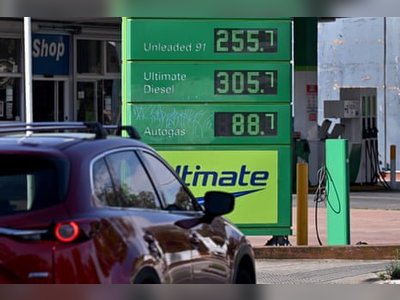
Recent data shows that petrol prices have surged to around one hundred and forty pence per litre, while diesel has climbed close to one hundred and sixty pence, following some of the sharpest weekly increases since the 2022 energy crisis.
Diesel in particular has seen dramatic gains, jumping nearly ten pence per litre in a single week as supply disruptions ripple through wholesale markets.
The surge is being driven primarily by geopolitical tensions in the Middle East, which have disrupted vital oil shipping routes and pushed global crude prices above one hundred dollars per barrel.
As the United Kingdom relies heavily on imported fuel, these global shocks are quickly reflected at the pump.
Analysts warn that if current conditions persist, petrol prices could rise toward one hundred and fifty pence per litre, while diesel may approach one hundred and seventy pence or higher in the near term.
In more extreme scenarios, some forecasts suggest diesel could edge closer to one hundred and eighty pence, levels that would place substantial pressure on households and businesses.
Government officials have acknowledged the impact on the cost of living, with fuel price increases feeding into broader inflation and raising concerns about transport, food costs, and overall economic stability.
Emergency discussions have focused on preventing excessive price increases and ensuring fair competition among fuel retailers.
The outlook remains highly uncertain.
A de-escalation in geopolitical tensions or stabilisation in oil supply could ease pressure on prices later in the year.
However, continued disruption to major energy routes and sustained high crude prices would likely keep fuel costs elevated or push them higher still.
For motorists, the situation marks a rapid reversal from earlier in the year, when fuel prices had been relatively stable or declining.
The current trajectory suggests that the coming months will be defined by volatility, with pump prices closely tied to developments in global energy markets and geopolitical events.
Recent data shows that petrol prices have surged to around one hundred and forty pence per litre, while diesel has climbed close to one hundred and sixty pence, following some of the sharpest weekly increases since the 2022 energy crisis.
Diesel in particular has seen dramatic gains, jumping nearly ten pence per litre in a single week as supply disruptions ripple through wholesale markets.
The surge is being driven primarily by geopolitical tensions in the Middle East, which have disrupted vital oil shipping routes and pushed global crude prices above one hundred dollars per barrel.
As the United Kingdom relies heavily on imported fuel, these global shocks are quickly reflected at the pump.
Analysts warn that if current conditions persist, petrol prices could rise toward one hundred and fifty pence per litre, while diesel may approach one hundred and seventy pence or higher in the near term.
In more extreme scenarios, some forecasts suggest diesel could edge closer to one hundred and eighty pence, levels that would place substantial pressure on households and businesses.
Government officials have acknowledged the impact on the cost of living, with fuel price increases feeding into broader inflation and raising concerns about transport, food costs, and overall economic stability.
Emergency discussions have focused on preventing excessive price increases and ensuring fair competition among fuel retailers.
The outlook remains highly uncertain.
A de-escalation in geopolitical tensions or stabilisation in oil supply could ease pressure on prices later in the year.
However, continued disruption to major energy routes and sustained high crude prices would likely keep fuel costs elevated or push them higher still.
For motorists, the situation marks a rapid reversal from earlier in the year, when fuel prices had been relatively stable or declining.
The current trajectory suggests that the coming months will be defined by volatility, with pump prices closely tied to developments in global energy markets and geopolitical events.