London Daily

Focus on the big picture.
Sunday, Jan 25, 2026

Young influencers get billions of views peddling junk food to kids, study says

Young influencers get billions of views peddling junk food to kids, study says

Young ‘influencers’ are being used to peddle unhealthy junk food to other kids via YouTube – racking up a ‘staggering’ one billion views, warns a new study.

Researchers described the use of children with ‘wildly popular’ YouTube channels to frequently promote unhealthy food and drinks in their videos to other kids as a ‘perfect storm for encouraging poor nutrition.’

American food and drink firms spend US$1.8 billion a year (£1.37 billion) marketing their products to young people.

Although TV advertising is a major source of food marketing, companies have dramatically increased online advertising in response to growing social media use.

Study senior author Dr Marie Bragg, of NYU School of Global Public Health, said: ‘Kids already see several thousand food commercials on television every year, and adding these YouTube videos on top of it may make it even more difficult for parents and children to maintain a healthy diet.

‘We need a digital media environment that supports healthy eating instead of discouraging it.’
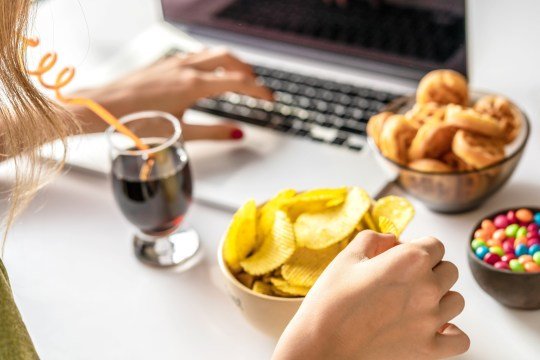

YouTube is the second most popular website in the world


YouTube is the second most visited website in the world and is a popular destination for kids seeking entertainment.

More than 80 per cent of parents with a child under 12 allows them to watch YouTube, and 35 per cent of parents report that their child watches YouTube regularly.

Dr Bragg said: ‘The allure of YouTube may be especially strong in 2020 as many parents are working remotely and have to juggle the challenging task of having young kids at home because of Covid-19.’

She said that when finding videos for young children to watch, millions of parents turn to videos of ‘kid influencers’ – children whose parents film them doing activities such as science experiments, playing with toys, or celebrating their birthdays.

The growing popularity of such YouTube videos has caught the attention of companies, who advertise or sponsor posts to promote their products before or during videos. The highest-paid YouTube influencer of the past two years was actually an eight-year-old who earned $26 million(£19.8 million) last year.

Dr Bragg said: ‘Parents may not realise that kid influencers are often paid by food companies to promote unhealthy food and beverages in their videos.

‘Our study is the first to quantify the extent to which junk food product placements appear in YouTube videos from kid influencers.’
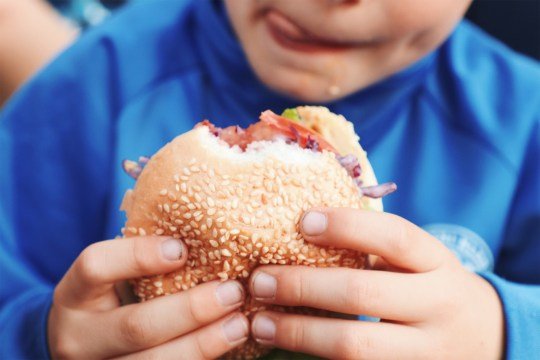

Companies have pivoted to YouTube to advertise junk food to kids


Dr Bragg and her colleagues identified the five most popular kid influencers on YouTube of 2019 – whose ages ranged from three to 14 years old – and analysed their most-watched videos.

Focusing on a sample of 418 YouTube videos, they recorded whether food or drinks were shown, what items and brands were shown, and assessed their nutritional quality.

Their findings, published in the journal Pediatrics, showed that nearly half of the most popular videos from kid influencers (42.8 per cent) promoted food and drinks.

More than 90 per cent of the products shown were unhealthy branded food, drinks, or fast food toys, with fast food as the most frequently featured junk food, followed by chocolate and fizzy drinks.

Only a few videos featured unhealthy unbranded items such as hot dogs (four per cent), healthy unbranded items such as fruit (three per cent), and healthy branded items such as yoghurt (two per cent).

The videos featuring junk food product placements were viewed more than one billion times – a ‘staggering’ level of exposure for food and drink firms.
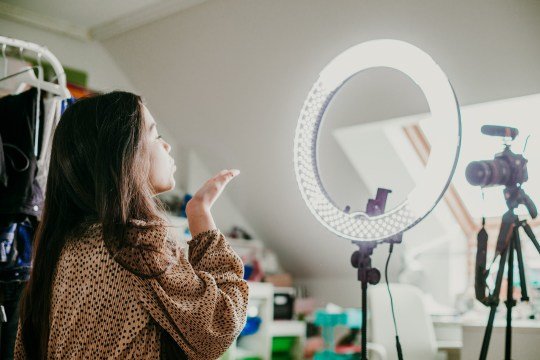

Nearly half of the videos from kid influencers had food adverts attached and 90% of those were unhealthy


Dr Bragg said: ‘It was concerning to see that kid influencers are promoting a high volume of junk food in their YouTube videos, and that those videos are generating enormous amounts of screen time for these unhealthy products.’

While the researchers don’t know which food and drink product placements were paid endorsements, they find the videos ‘problematic’ for public health because they enable food firms to directly, yet subtly, promote unhealthy food to young children and their parents.

Dr Bragg added: ‘It’s a perfect storm for encouraging poor nutrition – research shows that people trust influencers because they appear to be ‘everyday people,’ and when you see these kid influencers eating certain foods, it doesn’t necessarily look like advertising.

‘But it is advertising, and numerous studies have shown that children who see food ads consume more calories than children who see non-food ads, which is why the National Academy of Medicine and World Health Organsation identify food marketing as a major driver of childhood obesity.’

The research team called on regulators to strengthen and enforce rules on junk food advertising by kid influencers.

Study co-author Dr Jennifer Pomeranz, Assistant Professor of public health policy and management at NYU School of Global Public Health, added: ‘We hope that the results of this study encourage the Federal Trade Commission and state attorneys general to focus on this issue and identify strategies to protect children and public health.’


Comments

Oh ya 5 year ago
The government needs to take these kids from their parents as we know they are allowing this child abuse

Newsletter

Related Articles

0:00
0:00
Close
UK’s Starmer and Trump Agree on Urgent Need to Bolster Arctic Security
Starmer Breaks Diplomatic Restraint With Firm Rebuke of Trump, Seizing Chance to Advocate for Europe
UK Finance Minister Reeves to Join Starmer on China Visit to Bolster Trade and Economic Ties
Prince Harry Says Sacrifices of NATO Forces in Afghanistan Deserve ‘Respect’ After Trump Remarks
Barron Trump Emerges as Key Remote Witness in UK Assault and Rape Trial
Nigel Farage Attended Davos 2026 Using HP Trust Delegate Pass Linked to Sasan Ghandehari
Gold Jumps More Than 8% in a Week as the Dollar Slides Amid Greenland Tariff Dispute
BlackRock Executive Rick Rieder Emerges as Leading Contender to Succeed Jerome Powell as Fed Chair
Boston Dynamics Atlas humanoid robot and LG CLOiD home robot: the platform lock-in fight to control Physical AI
United States under President Donald Trump completes withdrawal from the World Health Organization: health sovereignty versus global outbreak early-warning access
FBI and U.S. prosecutors vs Ryan Wedding’s transnational cocaine-smuggling network: the fight over witness-killing and cross-border enforcement
Trump Administration’s Iran Military Buildup and Sanctions Campaign Puts Deterrence Credibility on the Line
Apple and OpenAI Chase Screenless AI Wearables as the Post-iPhone Interface Battle Heats Up
Tech Brief: AI Compute, Chips, and Platform Power Moves Driving Today’s Market Narrative
NATO’s Stress Test Under Trump: Alliance Credibility, Burden-Sharing, and the Fight Over Strategic Territory
OpenAI’s Money Problem: Explosive Growth, Even Faster Costs, and a Race to Stay Ahead
Trump Reverses Course and Criticises UK-Mauritius Chagos Islands Agreement
Elizabeth Hurley Tells UK Court of ‘Brutal’ Invasion of Privacy in Phone Hacking Case
UK Bond Yields Climb as Report Fuels Speculation Over Andy Burnham’s Return to Parliament
America’s Venezuela Oil Grip Meets China’s Demand: Market Power, Legal Shockwaves, and the New Rules of Energy Leverage
TikTok’s U.S. Escape Plan: National Security Firewall or Political Theater With a Price Tag?
Trump’s Board of Peace: Breakthrough Diplomacy or a Hostile Takeover of Global Order?
The Greenland Gambit: Economic Genius or Political Farce?
Will AI Finally Make Blue-Collar Workers Rich—or Is This Just Elite Tech Spin?
Prince William to Make Official Visit to Saudi Arabia in February
Prince Harry Breaks Down in London Court, Says UK Tabloids Have Made Meghan Markle’s Life ‘Absolute Misery’
Malin + Goetz UK Business Enters Administration, All Stores Close
EU and UK Reject Trump’s Greenland-Linked Tariff Threats and Pledge Unified Response
UK Deepfake Crackdown Puts Intense Pressure on Musk’s Grok AI After Surge in Non-Consensual Explicit Images
Prince Harry Becomes Emotional in London Court, Invokes Memory of Princess Diana in Testimony Against UK Tabloids
UK Inflation Rises Unexpectedly but Interest Rate Cuts Still Seen as Likely
AI vs Work: The Battle Over Who Controls the Future of Labor
Buying an Ally’s Territory: Strategic Genius or Geopolitical Breakdown?
AI Everywhere: Power, Money, War, and the Race to Control the Future
Trump vs the World Order: Disruption Genius or Global Arsonist?
Arctic Power Grab: Security Chessboard or Climate Crime Scene?
Starmer Steps Back from Trump’s ‘Board of Peace’ Amid Strained US–UK Relations
Prince Harry’s Lawyer Tells UK Court Daily Mail Was Complicit in Unlawful Privacy Invasions
UK Government Approves China’s ‘Mega Embassy’ in London Amid Debate Over Security and Diplomacy
Trump Cites UK’s Chagos Islands Sovereignty Shift as Justification for Pursuing Greenland Acquisition
UK Government Weighs Australia-Style Social Media Ban for Under-Sixteens Amid Rising Concern Over Online Harm
Trump Aides Say U.S. Has Discussed Offering Asylum to British Jews Amid Growing Antisemitism Concerns
UK Seeks Diplomatic De-escalation with Trump Over Greenland Tariff Threat
Prince Harry Returns to London as High Court Trial Begins Over Alleged Illegal Tabloid Snooping
×