

World Refugee Day | Refugees Shape America
While the United States has a long history of accepting immigrants from around the world fleeing persecution and war, the term “refugee” wasn’t defined until the mid-20th century following the massive exodus of Europeans displaced by World War II. At least 180,000 Europeans uprooted by the war arrived in the United States from 1933 to 1945, according to the U.S. Holocaust Memorial Museum, leading Congress to enact its first refugee legislation in 1948. Under the act, the United States admitted an additional 350,000 displaced people over the next four years, according to the U.S. Citizenship and Immigration Services.
Subsequent waves of refugees came to the United States following strife and turmoil in their own countries. More than 200,000 Cubans arrived in the United States from 1959-1962, fleeing President Fidel Castro’s communist government. After the United States withdrew its last troops from Vietnam in 1975, the U.S. government admitted hundreds of thousands of people from Vietnam, Cambodia and Laos. Through much of the 1990s, the majority of refugees to the United States came from former Soviet states, following the collapse of the Soviet Union. Recent decades have seen an increase of refugees from African nations, the Middle East and South Asia, including Afghans and Iraqis who aided the U.S. government during U.S. wars in those countries. Since 1975, the United States has admitted more than 3.4 million refugees, according to the U.S. State Department.
Notable Refugees
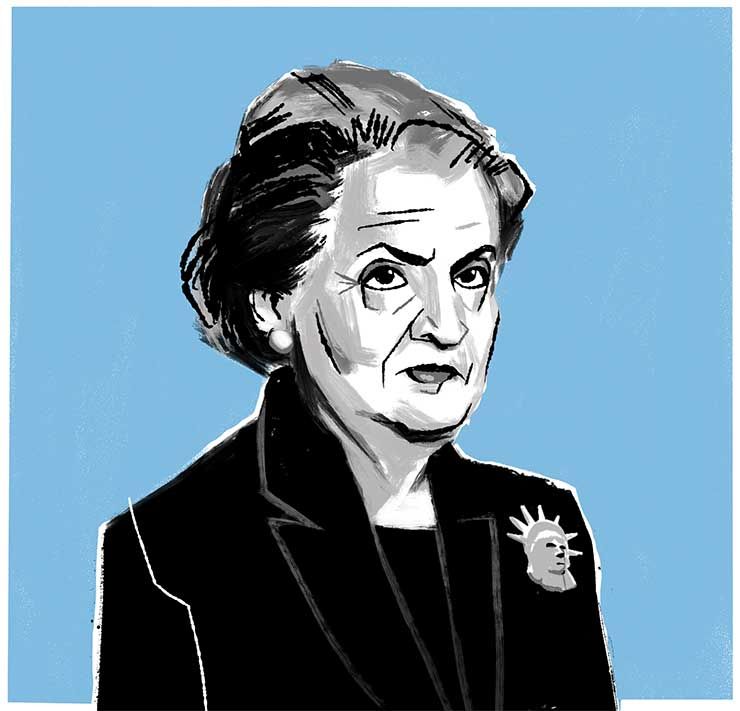 “When I came here as a child, I will never forget sailing into New York
Harbor for the first time and beholding the Statue of Liberty … Like all
refugees, I shared a hope to live a safe life with dignity and a chance
to give back to my new country.”
“When I came here as a child, I will never forget sailing into New York
Harbor for the first time and beholding the Statue of Liberty … Like all
refugees, I shared a hope to live a safe life with dignity and a chance
to give back to my new country.”
Madeleine Albright
The top diplomat was known for her tough talk, strong moral compass and forceful advocacy of U.S. intervention in the former Yugoslavia in 1999. Serving under President Bill Clinton, she helped persuade him to organize NATO airstrikes against Yugoslav leader Slobodan Milosevic – a campaign Time magazine later dubbed "Madeleine's War."
Seeing the suffering in her native Czech Republic from both Nazi Germany and the Soviet Union made her a forceful advocate of a stable Europe. She lobbied for the expansion of NATO, helping to persuade the U.S. Senate to allow Poland, Hungary and the Czech Republic to join the alliance. A month before her death earlier this year, she was still working to see a secure Europe, writing in The New York Times that Russian President Vladimir Putin's invasion of Ukraine would be a "historic error."
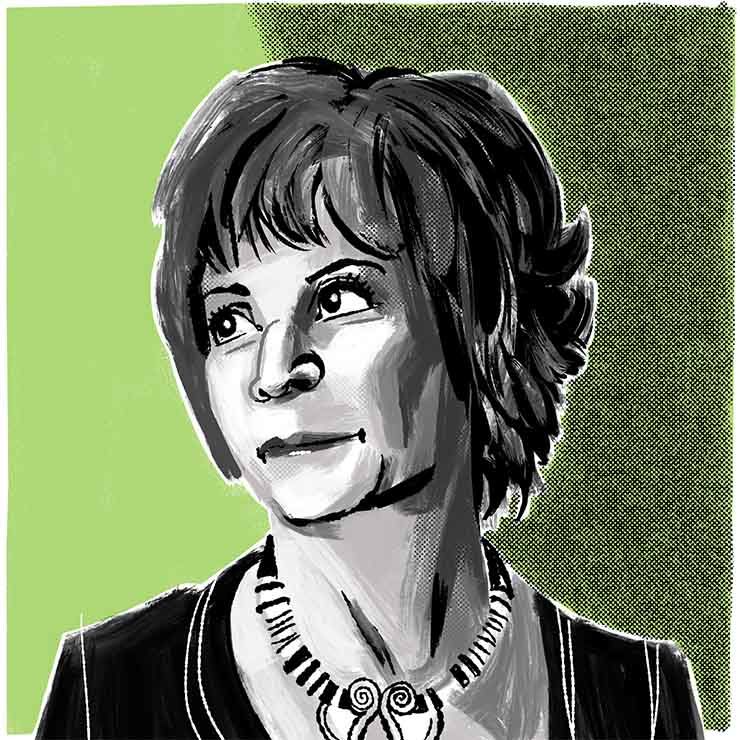 “When you are a refugee you lose your nation, your tribe and you have to
make a new community. Without other human beings helping you, it's
impossible to make it.”
“When you are a refugee you lose your nation, your tribe and you have to
make a new community. Without other human beings helping you, it's
impossible to make it.”
Isabel Allende
Allende was a relative of Chile's President Salvador Allende, who died in the coup, and after his overthrow, she risked her life helping others to flee Chile. When she received death threats herself, she fled to Venezuela, where she stayed for 13 years. It was during her exile that Allende took up writing novels, penning her debut, The House of the Spirits. That novel began as a letter the author wrote to her dying grandfather.
Two dozen more books have since followed, with translations into more than 40 languages. Allende's writing is celebrated for its feminist voice and the magical realism style that weaves together the mundane and extraordinary. The author moved to the United States in 1987 and became a U.S. citizen in 1993. She was awarded the Presidential Medal of Freedom in 2014 by U.S. President Barack Obama.
 “I was born a German and shall always remain one … the United States
welcomed me when I no longer had a fatherland that deserved to call
itself that.”
“I was born a German and shall always remain one … the United States
welcomed me when I no longer had a fatherland that deserved to call
itself that.”
Marlene Dietrich
Known for her deep voice and glamorous style, Dietrich was propelled to fame with her performance in the film The Blue Angel. Afterward, she moved to Hollywood and became one of the most popular film stars of the 1930s and 1940s. The rise of Nazism in Germany led Dietrich to refuse to return to her homeland. Instead, she became an American citizen in 1939 and helped the war effort, joining the United Service Organizations (USO), singing to U.S. troops and speaking out against German leader Adolf Hitler.
Dietrich's sister was sent to a concentration camp in Bergen-Belsen, reportedly in an attempt to make Dietrich stop entertaining U.S. troops, according to the U.N. refugee agency. The two were reunited after the war.
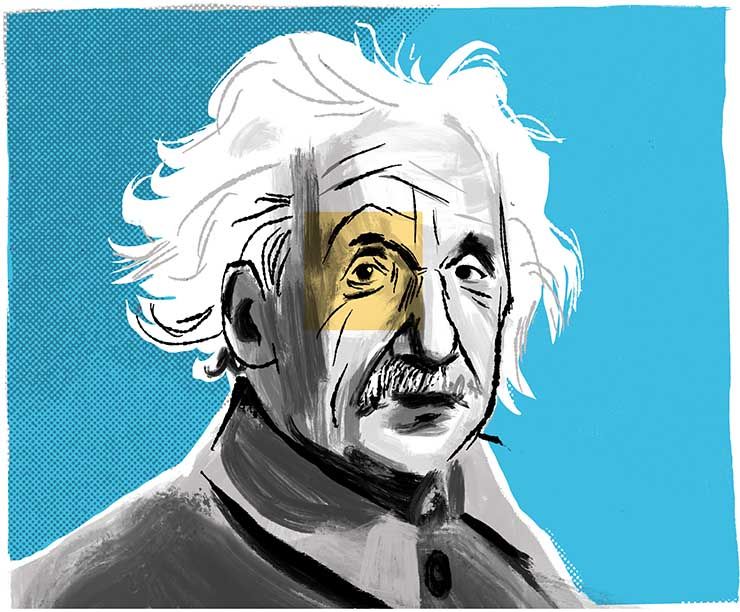 Approximately 125,000 Germans, most of them Jewish, immigrated to the
United States between 1933 and 1945, according to the U.S. Holocaust
Memorial Museum.
Approximately 125,000 Germans, most of them Jewish, immigrated to the
United States between 1933 and 1945, according to the U.S. Holocaust
Memorial Museum.
Albert Einstein
Einstein resigned from his professorship at Berlin's Prussian Academy of Sciences in 1932 due to anti-Semitic harassment and moved to Belgium. His status as an accomplished Jewish physicist drew the ire of the Third Reich, which accused him of treason. Fearing for his life, Einstein left Europe for the United States in 1933 to take a job at Princeton University, never again returning to Europe. He received U.S. citizenship in 1940.
Einstein's list of accomplishments in the world of physics is massive. He developed the theory of relativity, advanced the theory of quantum mechanics, and explained the photoelectric effect, for which he won the Noble Prize. His discoveries changed the foundation on which scientists perceive the world, including a new understanding of space, time and energy.
 More than 248,000 Cubans came to the U.S. between 1959-1962 in the first
wave of Cuban migration to the United States, according to the
Migration Policy Institute. More than 1.3 million Cubans have come to
the U.S. since 1959.
More than 248,000 Cubans came to the U.S. between 1959-1962 in the first
wave of Cuban migration to the United States, according to the
Migration Policy Institute. More than 1.3 million Cubans have come to
the U.S. since 1959.
Gloria Estefan
Born in Havana, Cuba, in 1957, Estefan came to the United States as a toddler after the Cuban Revolution in 1959. Brought up in Miami, Florida, she began making hit songs with her band, Miami Sound Machine, in the 1980s. She was one of the first Latin artists to achieve continued success on the billboard charts, and her career helped to make Latin music part of mainstream pop culture as well as paving the way for the next generation of Latin artists.
Estefan's achievements include an estimated 100 million records sold, more than 20 top 10 hits, three Grammy Awards, a star on the Hollywood Walk of Fame, and a Broadway musical based on her life. She released her first Spanish-language album in 1993 and has continued to have success with Grammy-winning Latin recordings. Estefan has also appeared in movies and television shows.
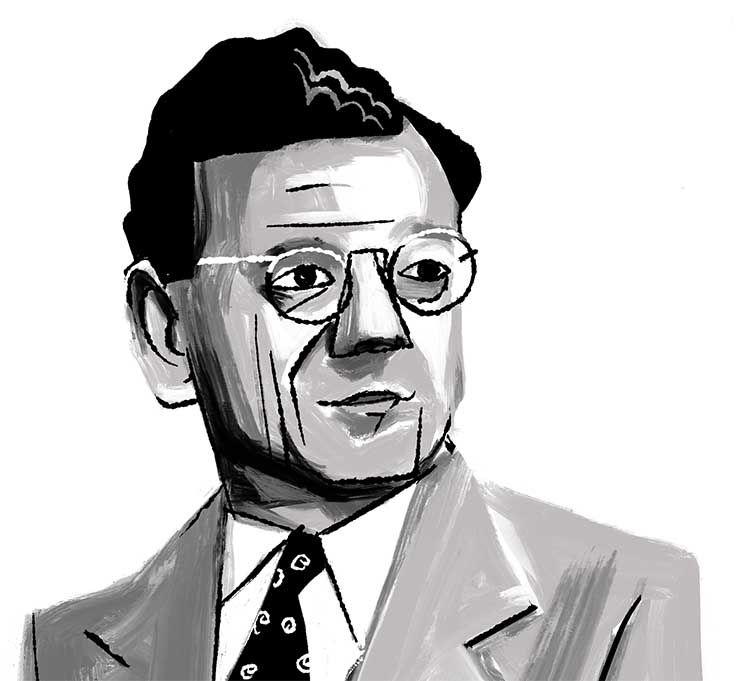 Between 1900 and 1920, the United States admitted more than 14.5 million
immigrants, according to the U.S. Citizenship and Immigration Services.
Before World War I, the United States placed no overall limits on the
number of immigrants who could enter the country – a fact that changed
during the war.
Between 1900 and 1920, the United States admitted more than 14.5 million
immigrants, according to the U.S. Citizenship and Immigration Services.
Before World War I, the United States placed no overall limits on the
number of immigrants who could enter the country – a fact that changed
during the war.
Sidney Hillman
Born in Lithuania in 1887, Sidney Hillman was forced to flee his country after starting a Jewish trade union deemed illegal. After coming to the United States, he became an adviser to U.S. President Franklin D. Roosevelt and an influential labor leader.
Hillman later became involved in politics, serving on the Labor Advisory Board of the Roosevelt administration and working closely with the secretary of labor to draft a wage bill that became the Fair Labor Standards Act. He served in various roles throughout the Roosevelt administration and helped to mobilize union support to see Roosevelt re-elected in 1936, 1940 and 1944.
 Refugees from the Middle East and South Asia sharply increased in 2008
with more than 20,000 from the region arriving during each of the 10
years beginning in 2008, according to U.S. State Department data.
Refugees from the Middle East and South Asia sharply increased in 2008
with more than 20,000 from the region arriving during each of the 10
years beginning in 2008, according to U.S. State Department data.
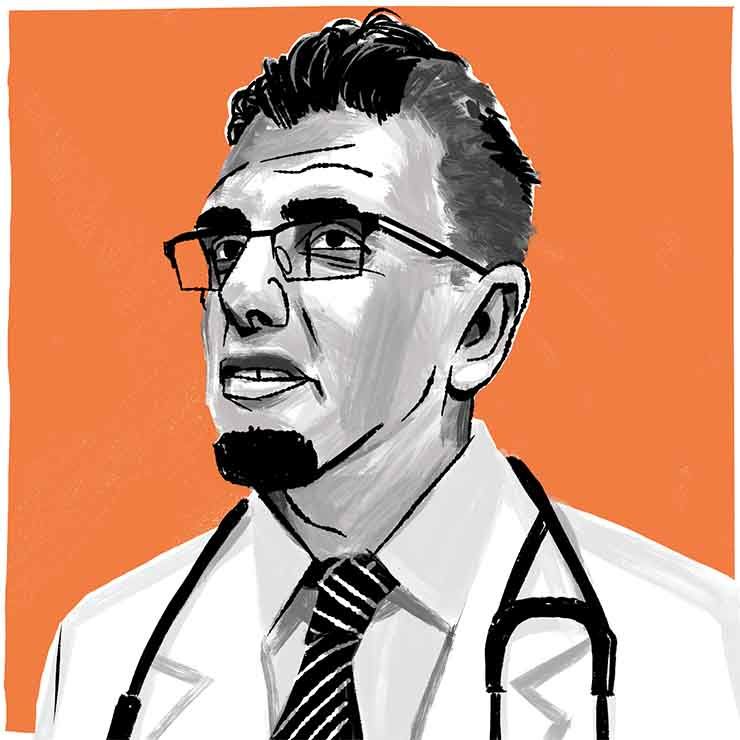
Heval Kelli
Kelli's father, a member of the Kurdish minority, was a prominent civil lawyer in Syria, but when he refused to work for the government, he was beaten and jailed. After his release, the family fled to Germany, where they lived in refugee camps, and then moved to the United States. Kelli arrived in the country as a teenager, two weeks after the September 11, 2001, attacks.
Receiving help from an Episcopal Church group, Kelli's family resettled in the southern U.S. state of Georgia. Kelli washed dishes in a restaurant to support his family and to help pay for medical school. He was chosen by his classmates at Morehouse School of Medicine for the award "Most Inspiring Person." Since becoming a doctor in internal medicine and earning a fellowship in cardiology at Emory University, Kelli started a mentoring program at his former high school where he helps new refugees.
 Once WWII began, it became more difficult for people to emigrate from
Europe. In 1940, more than 300,000 people, most of them Jewish, were on a
waiting list to come to the United States, according to the U.S.
Holocaust Memorial Museum.
Once WWII began, it became more difficult for people to emigrate from
Europe. In 1940, more than 300,000 people, most of them Jewish, were on a
waiting list to come to the United States, according to the U.S.
Holocaust Memorial Museum.
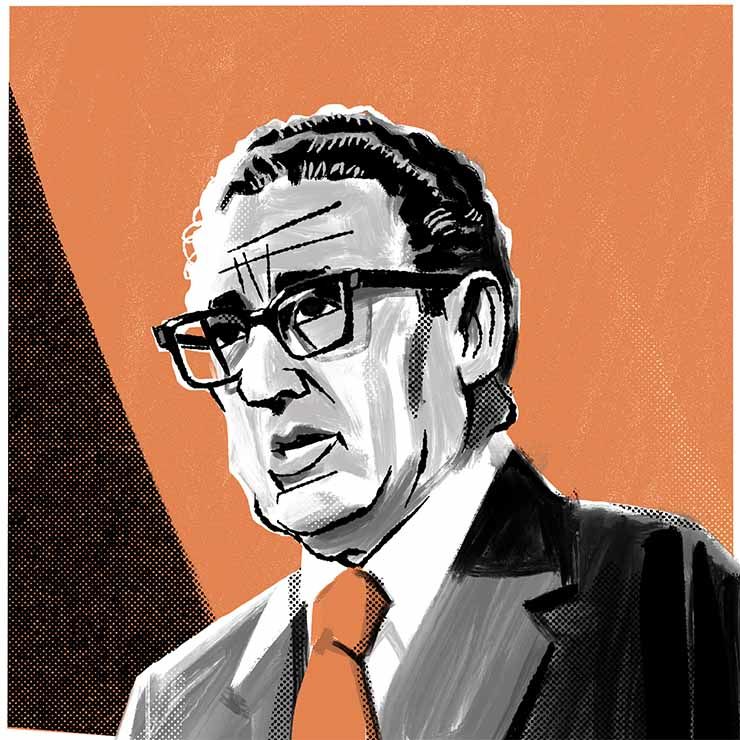
Henry Kissinger
Arriving in the United States in 1938 after his family fled the Nazi persecution of Jews, Henry Kissinger served as U.S. secretary of state from 1973-1977.
Kissinger joined the Nixon administration in 1968 and rose to the position of secretary of state. In that role, he was credited with major diplomatic achievements, including developing a policy of rapprochement toward China and engineering a détente with the Soviet Union. Although he initially took a hard-line policy against Vietnam, he later was awarded the Noble Peace Prize along with Le Duc Tho of North Vietnam for negotiating a cease-fire. Despite his achievements, Kissinger is a controversial figure, with critics alleging he allowed carpet-bombing in Cambodia, supported Pakistan's crackdown on Bangladesh and did little to stop Argentina's campaign against dissidents.
 “As a refugee who fled civil war as a child, I am still trying to figure
out where I fit in – which is perhaps why the most important note I
found sticking to the wall outside my office had only three words: ‘You
belong here.’”
“As a refugee who fled civil war as a child, I am still trying to figure
out where I fit in – which is perhaps why the most important note I
found sticking to the wall outside my office had only three words: ‘You
belong here.’”
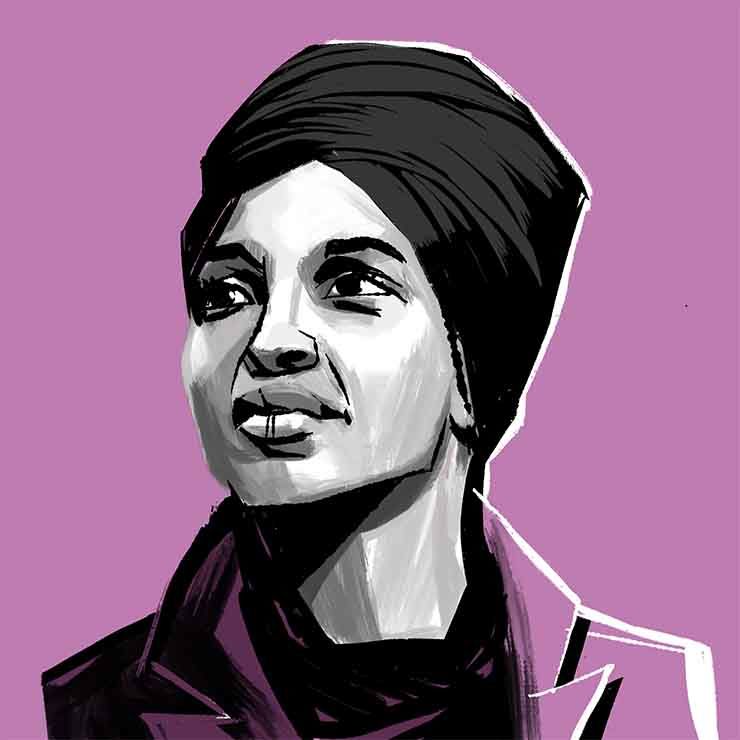
Ilhan Omar
The first Somali American in U.S. Congress, Ilhan Omar came to the United States in 1995 after she and her family fled her homeland to escape civil war.
Omar has attained a number of firsts in her career, becoming the first African refugee in the U.S. Congress and also the first of two Muslim women to serve in the legislative body. Omar and her family fled Somalia when she was 8 years old and spent the next four years in a refugee camp in Kenya before coming to the United States. She served in the Minnesota state government before seeking federal office.
Omar is part of a group known on Capitol Hill as "The Squad" – Democratic House members first elected in 2018 who are known for their progressive views. The group has sparred with former Republican President Donald Trump as well as Democratic House Speaker Nancy Pelosi in an effort to shift the party to the left. Omar has also drawn rebuke from U.S. lawmakers of both parties for comments she has made criticizing Israel.
 The number of African refugees to the U.S. increased sharply beginning
in 1999, with the largest influx – 31,624 refugees – coming in 2016,
according to U.S. State Department data.
The number of African refugees to the U.S. increased sharply beginning
in 1999, with the largest influx – 31,624 refugees – coming in 2016,
according to U.S. State Department data.
Kwity Paye
Paye, named for his grandfather who was killed in Liberia's war, came to the United States as a baby. He played college football at the University of Michigan and afterward was drafted to play in the NFL. He was chosen in the first round of the 2021 NFL draft by the Indianapolis Colts and after his first year was awarded a spot in the honorary All-Rookie Team, chosen by the Pro Football Writers Association.
Paye is among NFL players who are bringing the first official NFL events to Africa in June. He told Colts.com that it would be his first time returning to the African continent since his birth. He said while his mother always envisioned his first trip would be to Liberia, he said he was eager to attend the weeklong NFL events in Ghana to give more people the opportunity to come to the NFL.
 Since 1975, nearly 1.5 million refugees from East Asia have arrived in
the United States. In each of the 10 years beginning in 1978, East Asian
refugees made up the majority of refugees to the U.S. with the most
arrivals in 1980 – 163,799 refugees – according to U.S. State Department
data.
Since 1975, nearly 1.5 million refugees from East Asia have arrived in
the United States. In each of the 10 years beginning in 1978, East Asian
refugees made up the majority of refugees to the U.S. with the most
arrivals in 1980 – 163,799 refugees – according to U.S. State Department
data.
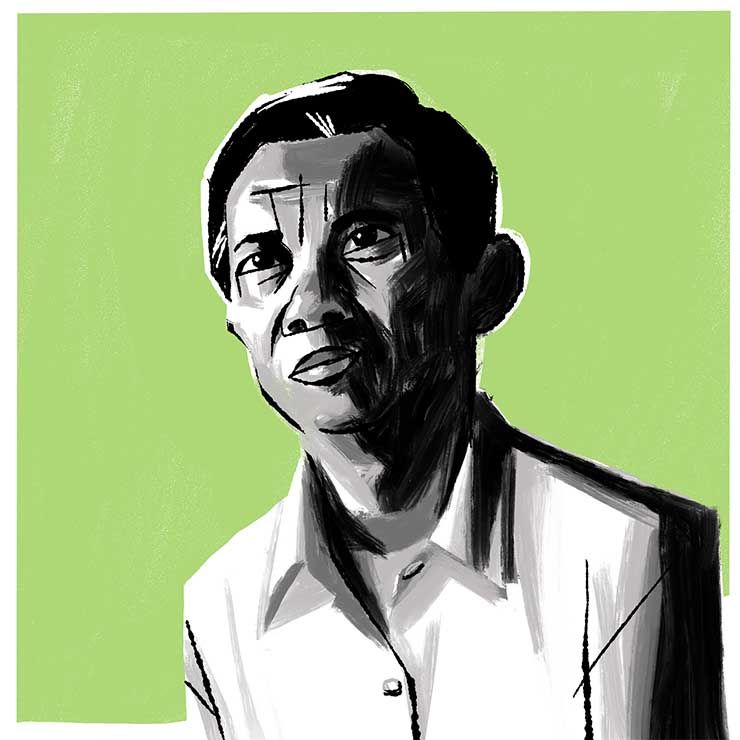
Dith Pran
Dith came to the United States as a refugee after his escape from Cambodia in 1979 and went to work as a photographer for The New York Times. He coined the term "killing fields" to describe the horrors of the murderous scenes he saw in Cambodia as he sought to flee the country.
His story of surviving through the regime of Pol Pot and eventually escaping Cambodia became the subject of the 1984 film The Killing Fields, which won three Oscars. With the Khmer Rouge targeting anyone who appeared to have Western influences or signs of education, Dith survived for more than four years by pretending to be an uneducated peasant. He worked in rice paddies, sometimes eating only a spoonful of rice each day.
Dith later became a goodwill ambassador for the United Nations High Commissioner for Refugees and founded the Dith Pran Holocaust Awareness Project to educate people on the history of the Khmer Rouge regime.
 Between 1975 and 2003, nearly 600,000 refugees came to the U.S. from
former Soviet Union countries, according to U.S. State Department data.
Between 1975 and 2003, nearly 600,000 refugees came to the U.S. from
former Soviet Union countries, according to U.S. State Department data.
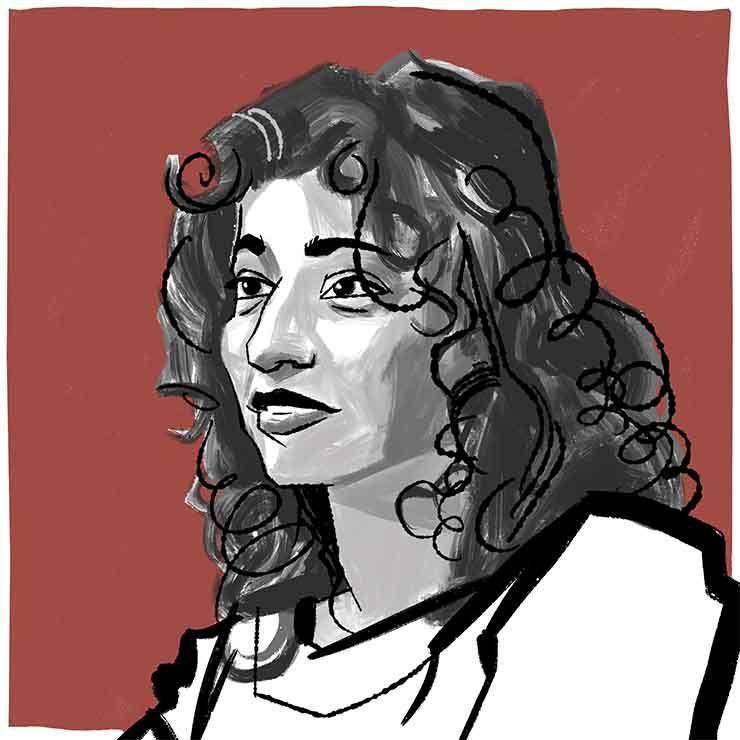
Regina Spektor
Since she was a little girl in Moscow, Spektor trained as a concert pianist, playing on a Petrof piano handed down by her grandfather, an instrument she had to leave behind when her Jewish family moved to the United States due to political discrimination. They left during the period of Perestroika, when Russian citizens were permitted to emigrate, but they had to surrender their passports so they could never return.
After relocating to the Bronx, Spektor continued to study music, initially using a piano in the basement of her local synagogue. She shifted her focus from classical music to Manhattan's alt-folk scene and began performing at open mic nights in the city. Seven albums later, Spektor is a well-known indie-pop star. Several of her songs have been featured on TV soundtracks with the song “You've Got Time” serving as the theme for the series “Orange is the New Black.”