

What not to do when choosing a new kitchen – the 9 common mistakes to avoid
A new kitchen is a huge but worthwhile investment for any home. Looks and functionality wise, it will always add value to your property. But one thing you don’t want to do is forget the finer details. It’s often the most obvious things that we simply forget when designing a kitchen. Such as where the bins go or how accessible the fridge is when you’re cooking.
The primary function of a kitchen is to cook and prepare food, so it has to be highly functional. It’s therefore important to always start the design process by looking at how you use the space when preparing and cooking meals.
But who says functional can’t be stunning? Thanks to smart design, these days our kitchens can be the best-dressed room in the house.
We’ve got our own tips, but have also asked experts to help us. Between us, we’ve compiled a list of nine things not to do when designing the kitchen of your dreams.
What not to do when designing a kitchen
1. Forget counter space
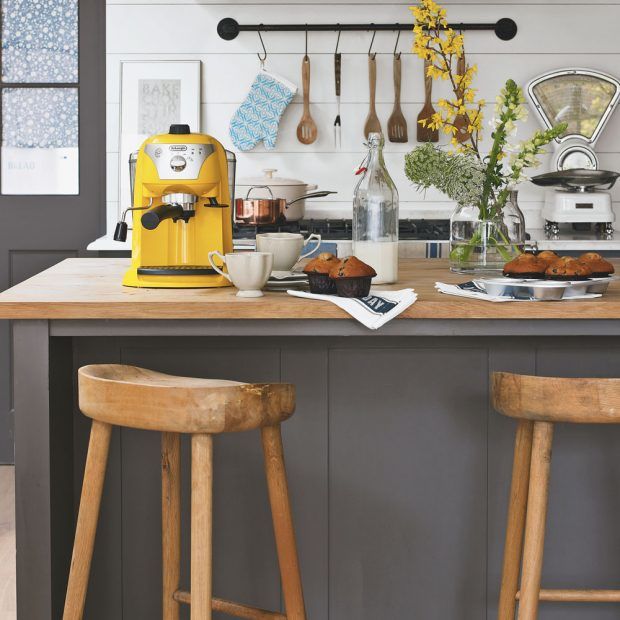
Planning every inch of useable space is a must. A very common mistake in kitchen design is not including enough counter space to work with. ‘Remember to include enough space to prepare meals, display all your appliances, wash up, and potentially space to eat and socialise if that is how you plan on using the kitchen, ‘ advises Hayley Simmons, Head of Merchandising for Magnet.
2. Underestimate how much storage you need
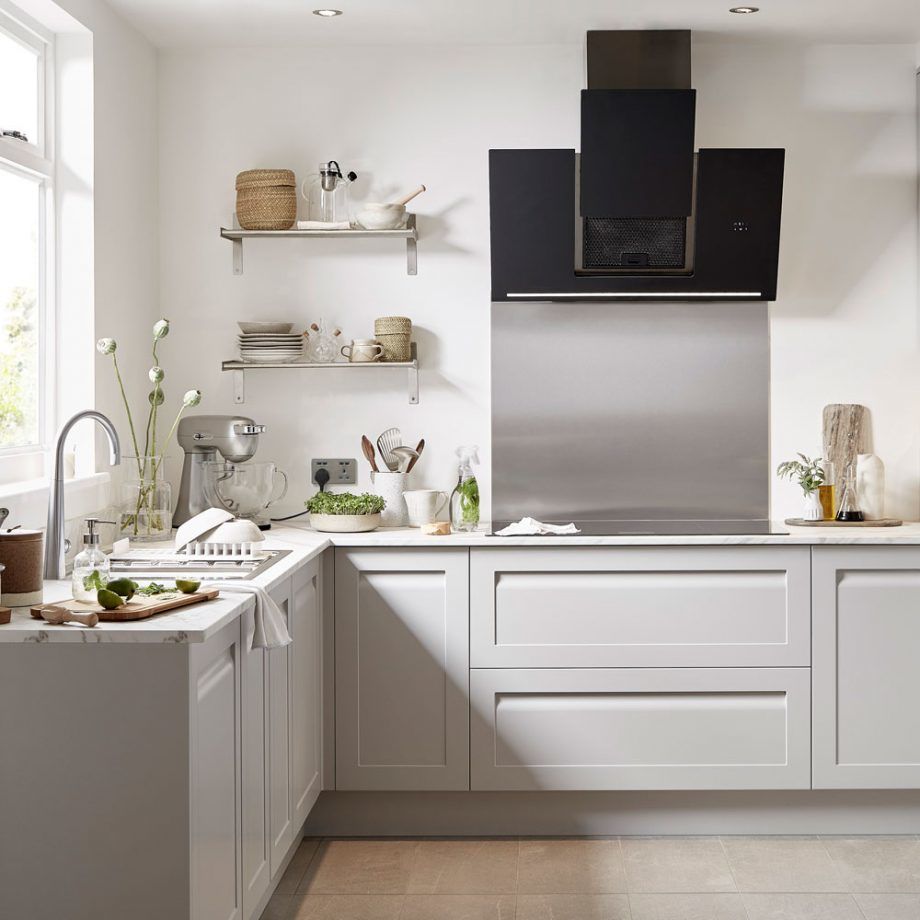
Plan accordingly and allocate a space for every single thing, from spice jars to cutlery-separating drawers. Although the temptation to keep adding to the list can be great, a clear initial index will keep you on track . By sticking to a clear plan you also avoid the temptation to overcrowd your brand new kitchen.
‘The key to getting the most storage out of your kitchen is thinking of clever ways to integrate storage solutions into existing kitchen essentials,’ explains Iain McColgan at B&Q. ‘For example, magnetic panels help utilise unused wall space between wall and base cabinets.’
Thinking outside the box again he goes on to suggest, ‘for bulkier items, you should also consider pull out corner storage. Designed to easily fit into the cabinets, pull out storage helps efficiently store away items and make them easy to access when needed.’
‘Finally, don’t forget to utilise floor space by considering a trolley which creates extra space when you’re preparing food, or could even be used as a drinks trolley when entertaining.’ All worthwhile considerations when it comes to create a kitchen that works its hardest to cater for all your needs.
3. Neglect ventilation
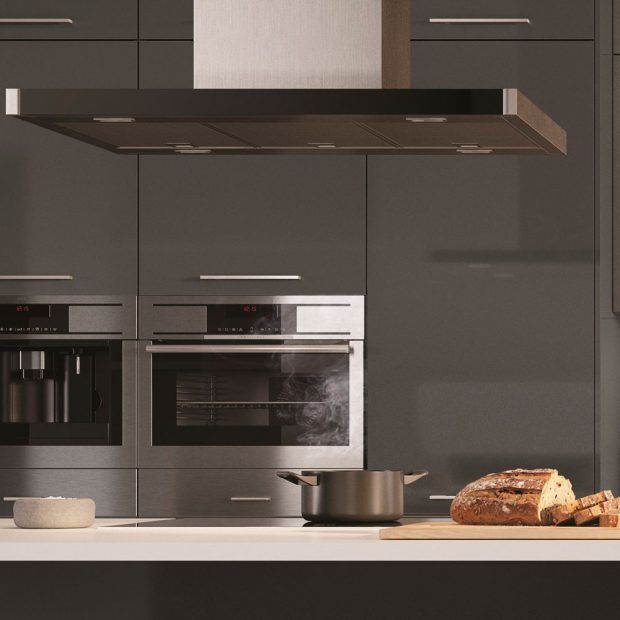
Good ventilation is key for any kitchen, especially one in cooking up delicious dishes day in day out. Cooking, especially on the hob, can leave lingering smells that if not ventilated can drift throughout the home. While the smell of home-cooked food is delicious in the moment, you don’t want the rest of the house to smell and ruin the atmosphere.
The experts at Optiplan Kitchens advise, ‘Invest in a proper ventilation system that is efficient at capturing impurities, circulates air and, overall, keeps your kitchen clean. Try not to go for inexpensive products that only recirculate the flow of air and use up lots of energy. There’s always a solution that keeps the noise levels and energy use to a minimum.’
4. Let rubbish pile up

It sounds completely obviously but when it comes to the rubbish, because it’s the least glamorous part, bins are often overlooked. Given waste is totally unavoidable it should be factored in as a priority, even so given we now require separate recycling, food and general disposal.
The best solution is integrated bins, or at least cupboards to conceal freestanding bins. Hiding not only the presence of waste, but also helping to contain odours. When the dedicated space isn’t allocated at planning stage the only viable option is a free-standing bin on display. Thankfully you can buy stylish solutions now, but if this wasn’t part of the plan it won’t please you when you realise waste disposal has been overlooked.
5. Skimp on lighting
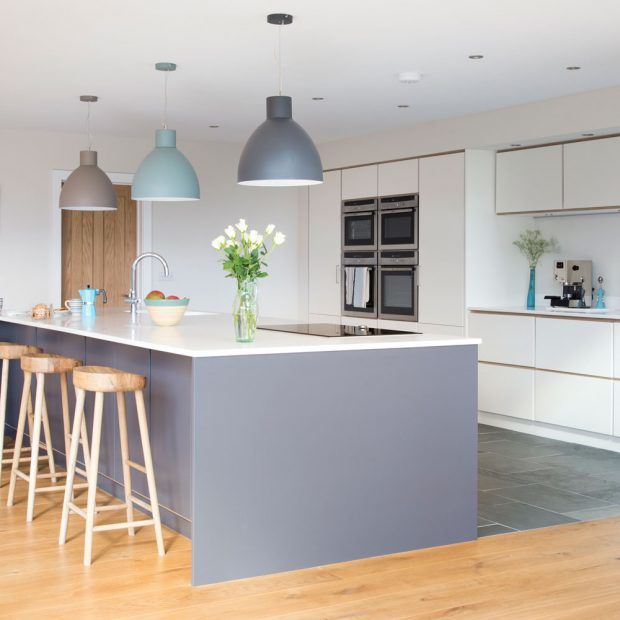
Like most rooms, it’s important to get the lighting right for the functional use as well as the aesthetic look. Prepping food will require more direct, brighter lighting than that of a dining area within the kitchen. Spotlights concealed under wall cabinets and in the ceiling are still the most popular, practical choice to use throughout. They can be grouped according to tasks, and used with dimmer switches so you can change the atmosphere in an instant.
You might also want to consider plinth lighting. strips that run along the base of your cabinet can provide a subtle light that will illuminate your kitchen after hours – handy if you should sneak in for a midnight snack!
For areas of the kitchen where family and friends gather, consider living-room style lighting. Pendants add a more focal light source and create ambience, as do table lamps on a sideboard.
Overhead spotlights can be switched off or dimmed low when you want those statement lights to take the focus.
6. Avoid the experts
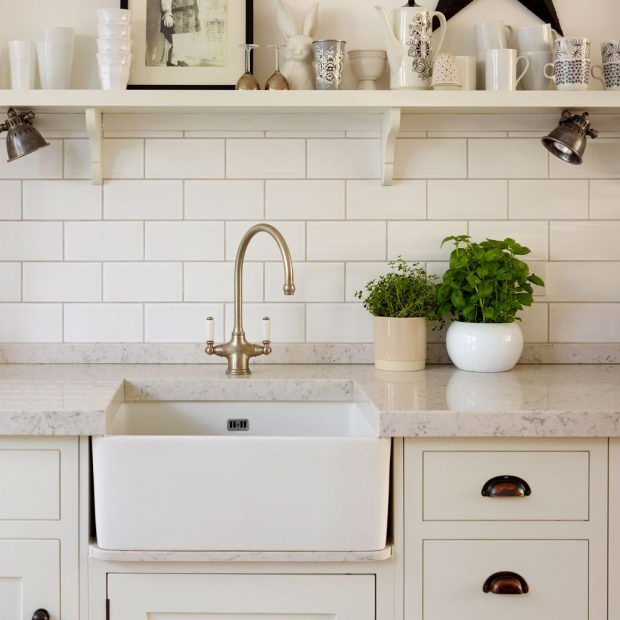
Often the temptation to DIY is so great that we forget the level of expertise involved in planning any major home project. Especially with kitchen where complicated wiring, plumbing and ventilation systems all feature heavily – these are not to be messed with if you don’t know what you’re doing.
Seeking the help of registered tradespeople can lend a hand with planning and project managing too. You need to know when to carry out each stage of the work – there’s no point tiling until the electricians have been in for example.
‘Looking at the bigger picture, a smart investment at the beginning of the project can prove to be more cost-effective in comparison to an amateur take on such a complex task,’ explain the experts at Optiplan Kitchens.
7. Leave out plugs and power
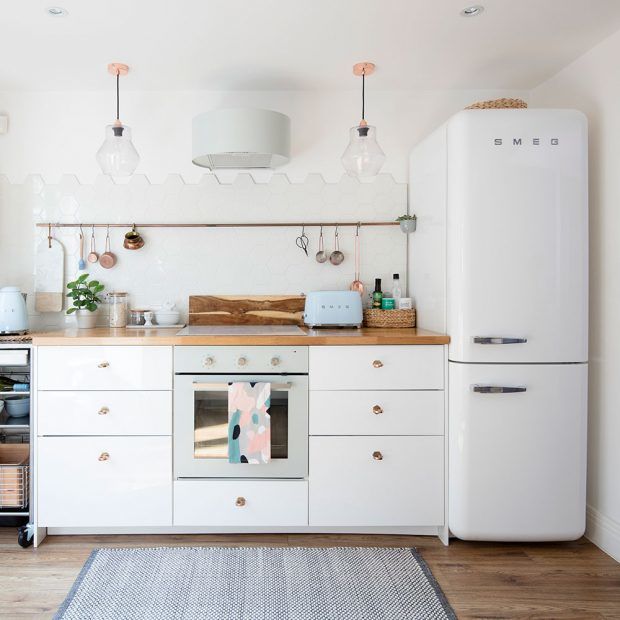
It sounds obvious but before you commit to plumbing in all your appliances, think about how you will use your kitchen – with regards to getting the power supplies in the right place. Think about your workflow within the space. Where’s the tea point going to be? Is there another plug to hand, for the toaster. Is the microwave integrated or do you need to allocate worktop space for this bulky appliance.
8. Go over budget
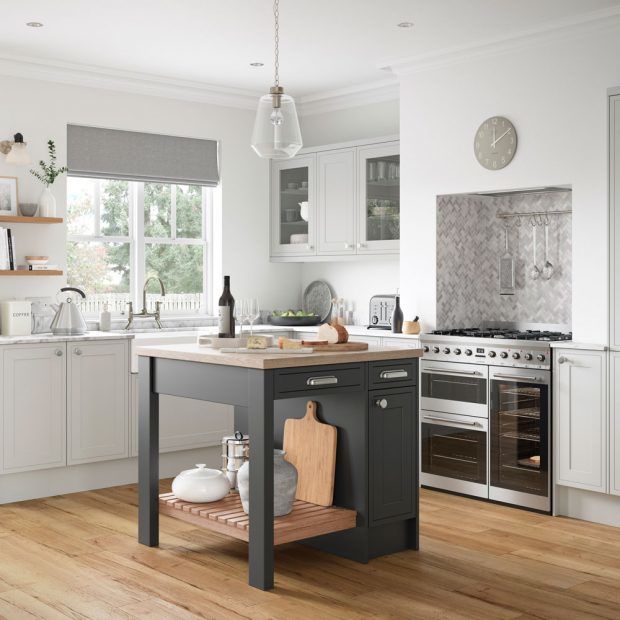
‘Never start a kitchen renovation without a budget and plan in mind,’ says Hayley Simmons at Magnet. ‘Even if you have the money to splash out, having a set figure and keeping what you need from your renovation in mind can help avoid overspending.’
Going over budget is one of the most common mistake seen in many a home renovation. We’ve all seen enough Grand Designs episodes to know only too well that project spends can increase dramatically. It’s often the forgotten factor, such as above, that can add to the inflated costs. The easiest easy way to avoid over-spending is by creating an inventory list, ensuring it accounts for both furniture and contents.
Hayley goes on to say, ‘Don’t spend money on unnecessary or impractical items that will wear easily and need to be replaced. For example, if you want a solid wood worktop, but cook a lot and have small children that could damage and stain it, a laminate wood effect worktop may be more cost efficient and more durable for your needs.’
9. Choose a design that will date
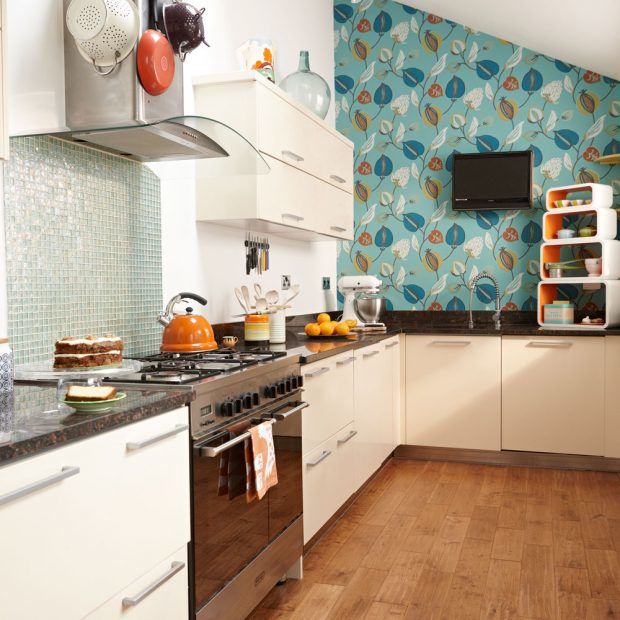
As tempting as it is to go for the latest trends, make your kitchen design a more consider choice. Avoid choosing a design that is likely to date and be old news in only a few years. Kitchens are not cheap to replace, keep this in mind when designing your dream kitchen.
You can go as out there with the paint, wallpaper and accessories, but these can be easily and affordably alternated if desired. Brightly coloured gloss cabinet doors that you can’t paint may seem like a great idea now, but will you love them a few years down the line. if you will go for it. If you’re at all unsure stick to a timeless and classic choice.
A good kitchen should see you through at least 10 years, so it’s important to get it right. It’s worth thinking too about it’s re-sale value, if you plan on moving within 10 years. resale value and that won’t put off potential buyers if you ever plan to sell your home
Know you’ve got a complete checklist you’re ready to get planning to your heart’s content.