

What Everyone Can Learn from Black Women About Beauty
And then there’s actress Cicely Tyson, who, at 95 (!), was stepping out and dazzling on red carpets as recently as January. Insert the ubiquitous and beloved (if not *entirely* factually accurate) “Black don’t crack!”
That’s not to say these women haven’t aged at all. It just means we don’t care that they have. Because while most of the world is obsessed with youth-and figuring out how to look like they just came out of the womb-reverence for “over-the-hill” gals is a crucial part of Black girl magic.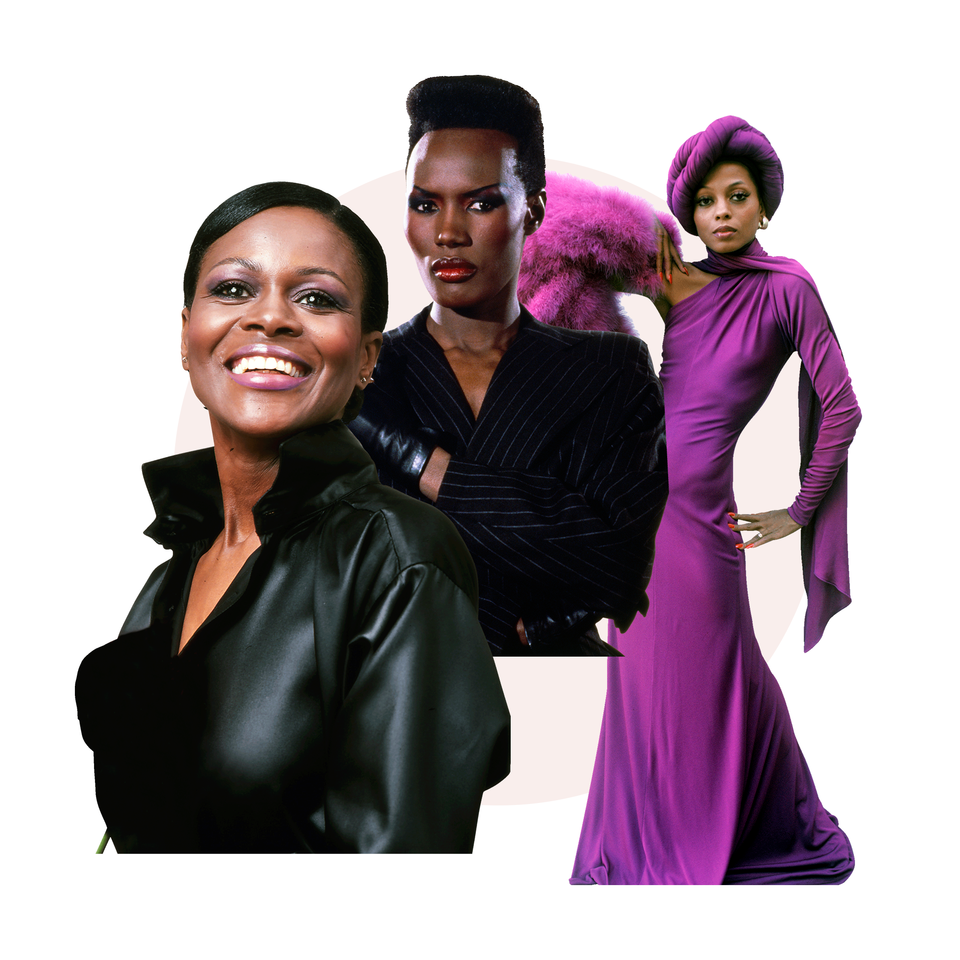
Think about it with me: I’ve never heard any of my white friends reference stars like Helen Mirren, Meryl Streep, or Goldie Hawn (who all look great, for the record) as their beauty muses. And no shade to my white friends-my point is just that Black women approach beauty in a pretty special (and pretty inspiring, in my not-so-humble opinion) way.
Part of that is about celebrating each other regardless of age-or skin tone or hair texture or body type. Part of it is that we don’t stress over what everyone else thinks. And the other part is that our overall beauty POV transcends the physical to go much deeper. Let me attempt to overexplain. 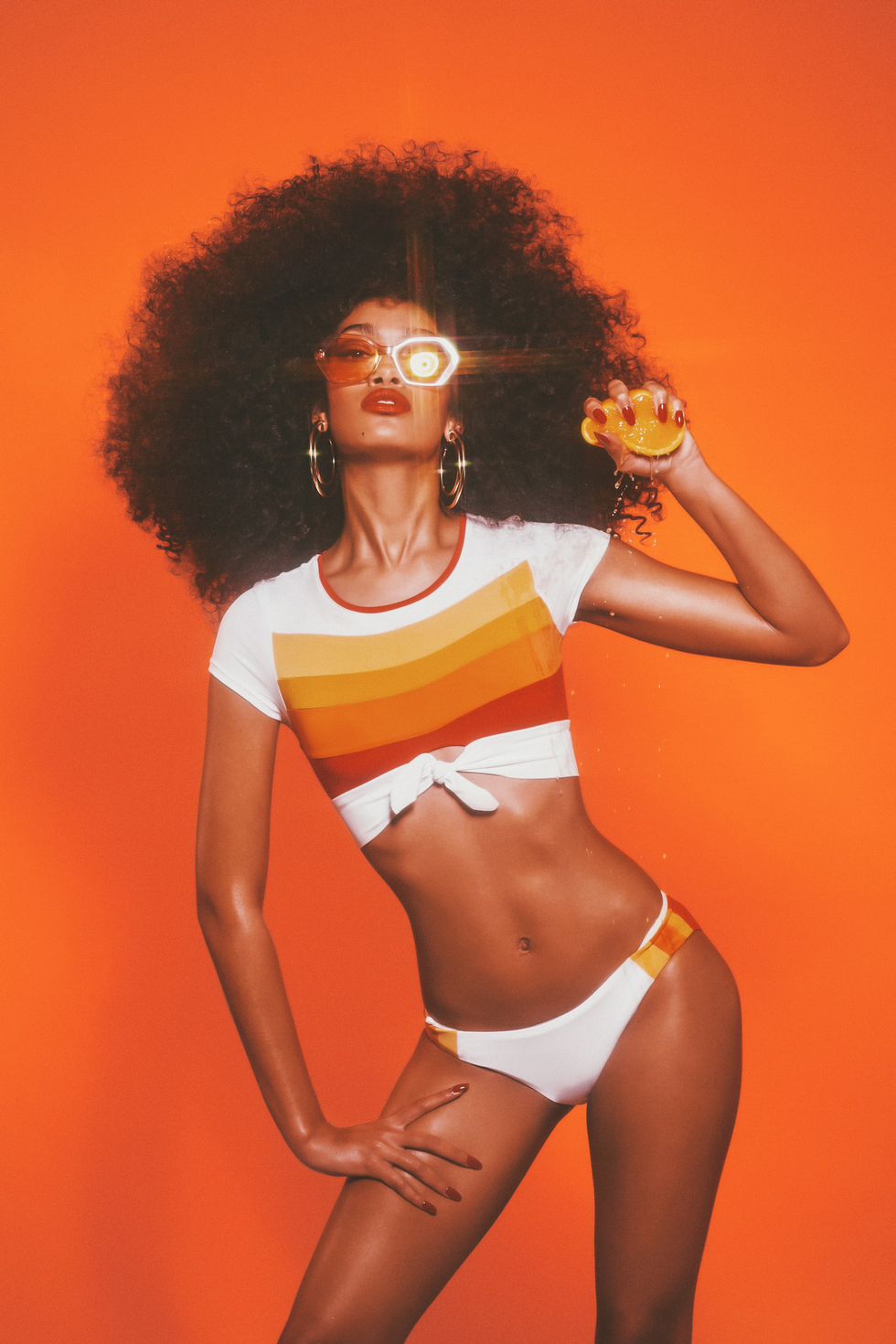
Our Dianas, Graces, Cicelys: they represent a form of transgenerational pride that works to remind us that Black is, has always been, and will forever be beautiful. “So much of beauty culture in the Black community is passed down from generation to generation,” says Brooke DeVard Ozaydinli, 31, host of the award-nominated podcast Naked Beauty. “Those are the women our grandmothers and mothers looked up to.” So we do too.
I can’t pinpoint when this shared esteem started, but my gut tells me it’s always been this way. It certainly revved up during the Civil Rights movement in the 1960s, as the Black community publicly embraced its pride for our brilliance and, yes, our beauty. And learning to love the skin we’re in has always been an imperative, since society at large definitely wasn’t doing it for us.
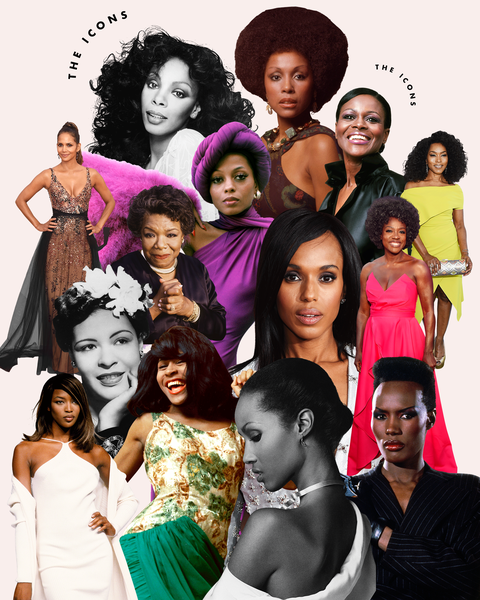
Ozaydinli says that the Black women she chats with often say, “I feel more beautiful as I gain more experiences, as I become more confident, and as I’ve learned who I am.” And she agrees, adding, “I’d like to think that that’s universal, but I think for Black women, it may be even deeper because our journey of tapping into who we are takes a bit longer. We don’t have as many signals from the mainstream about how to do it.”
In fact, I’d argue that that’s why self-care has consistently been at the center of Black women’s beauty rituals. I know I wasn’t the only little girl whose mother and grandmother reminded her to never set foot outside of the house looking ashy, because moisturizing my body wasn’t just about keeping it looking good; it was a personal and public act of love for my own brown skin.
Before you ask, it’s not just us Black 30+somethings (I’m a loud and proud 38, thankyouverymuch) who take inspo from all this inherited history. Naima Brown, a 21-year-old student at New York University, cosigns. “I’m not sure if I would say, ‘I love this hairstyle that Angela Bassett is wearing, let me go get that exact look,’” she says. “But I do know how legendary these icons are and how timeless their talent and beauty are. And I’m directly and indirectly inspired by that to take care of myself too.”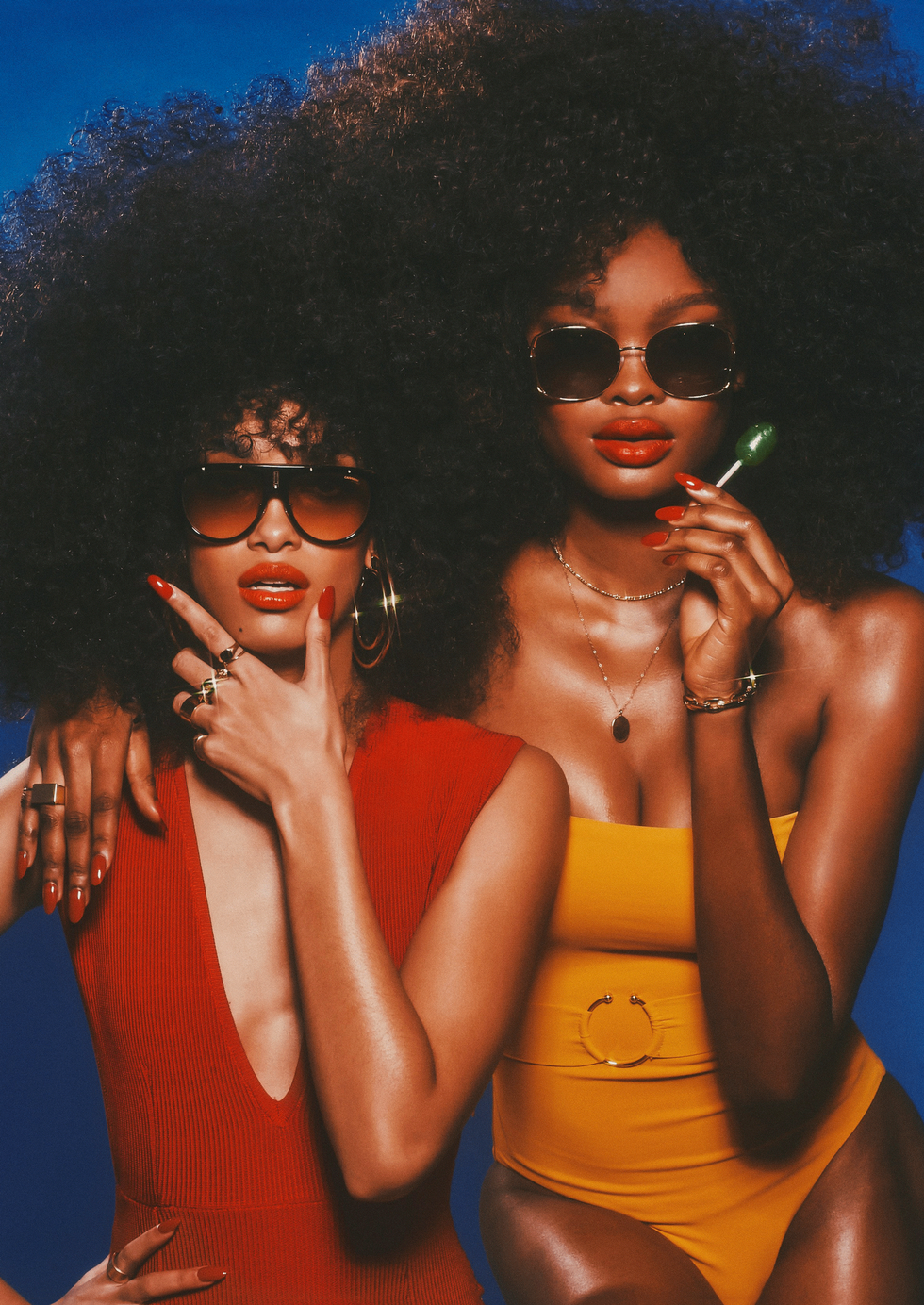
Of course, this prolonged trek to self-assured dopeness isn’t a breeze. Society’s (still) narrow beauty standards mean the vast beauty of Blackness isn’t often celebrated. And when it is, it’s usually with a stereotypical iteration of our beauty-with, say, an ad campaign that showcases only fair-skinned Black women with soft curls or a photo-shoot series that does the polar opposite, featuring only Black women with deep skin tones and kinky hair. There’s no diversity in this diversity.
Oh, and beyond imagery, there are actual laws aimed at dimming our light. Did you know it’s perfectly legal in more than 40 states to discriminate against the way our hair naturally grows out of our heads *and* the ways in which it’s styled? Facts, and not the fun kind. When our Blackness is consistently and systematically disregarded (or appropriated), we have no choice but to validate each other. Which is exactly why mantras like “Black is beautiful” and “Black girl magic” are so necessary-to remind us who the fuck we are.
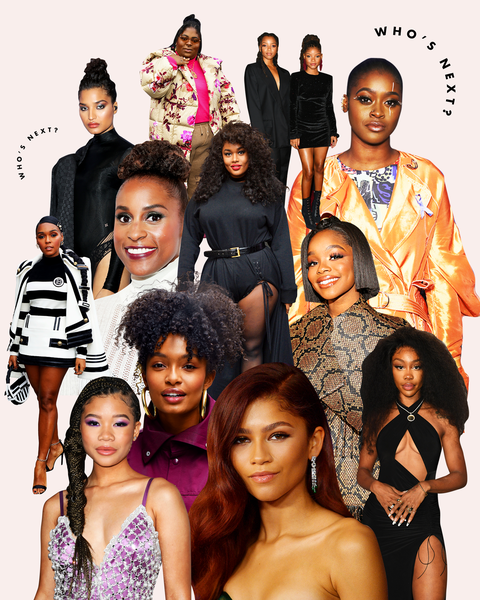
“Black women have always had to create their own beauty standards because when you’re not supported by and reflected in mainstream culture, you develop your own subculture,” explains Ozaydinli.
In doing so, we’ve also managed to approach consumerism in a savvy way. Until recently, and despite our buying power, the beauty industry wasn’t focused on creating products for our specific needs. Enter: Black women becoming masters of DIY and just plain figuring it out. We had to mix several foundations together to get the right hue and concoct potions that have been passed down to clear up hyperpigmentation. 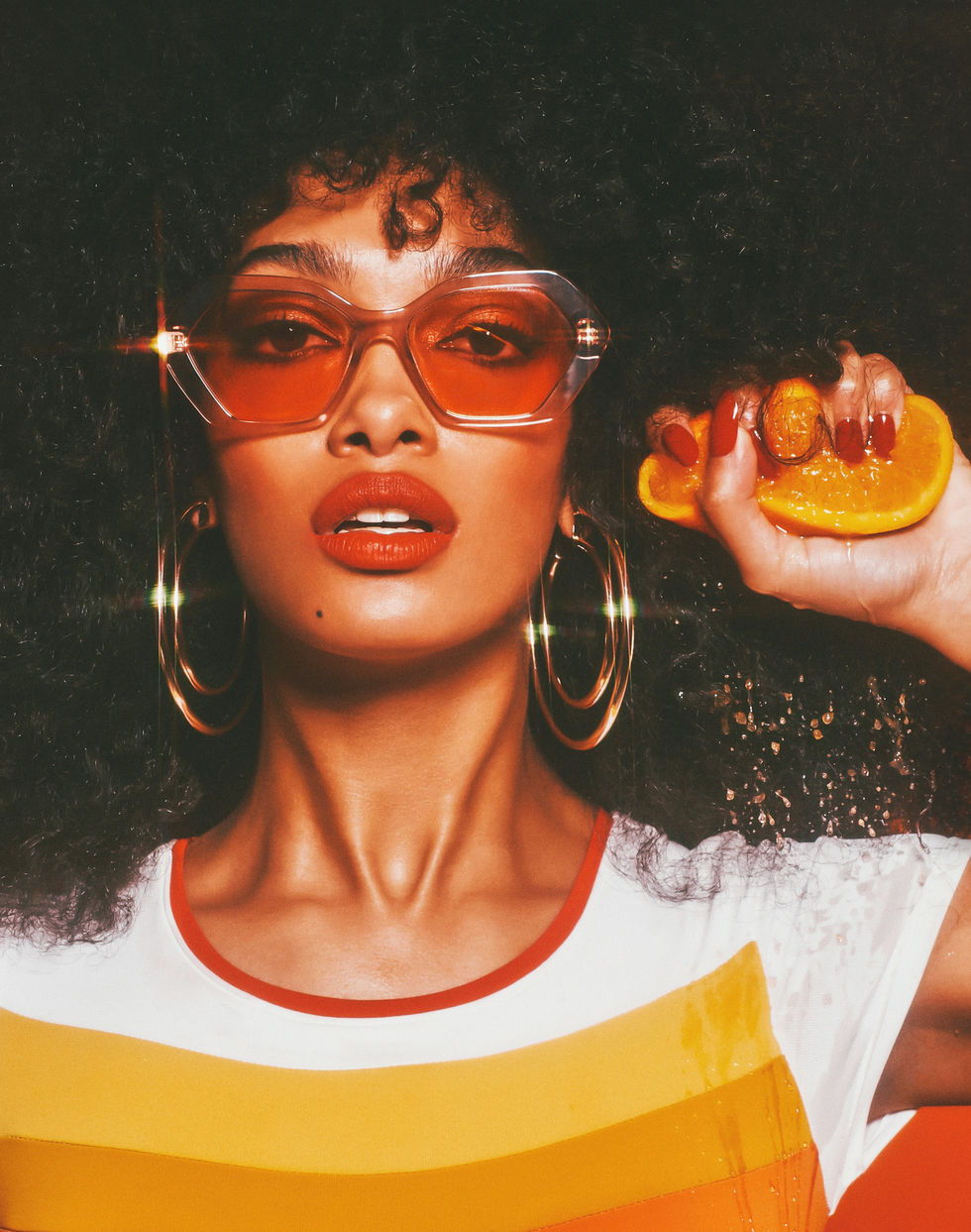
The lack of readily available goods coupled with our subculture of self-proclaimed awesomeness is why we’re much more interested in enhancing-not transforming-our looks. Translation: We know we’re stunning. You don’t have to tell us, because we tell each other. (But if you’ve got products that will build on all this awesomeness, then I’ll take one of each. Thanks!)
Perhaps the liveliest way in which we intersect with beauty is something I like to call our love language. There’s nothing like a Black woman complimenting another Black woman.
“There’s just this understanding amongst me and my Black girlfriends that we’re all in this together,” Brown says. “And I think it’s one of the many ways that we support each other—by gassing each other up.”
Black women will literally go out of their way to love on another sistah. We will cross the street if we see a complete stranger with poppin’ curls and need to know what products she’s using. The interaction usually commences with the celebratory cry of “Yesssss, sis! Your hair is everything!” and blossoms from there.
“I don’t know if there’s that sense of camaraderie amongst other groups of women,” Ozaydinli says. “We are like this village: We share secrets with each other and aren’t shy about doing so.”
In a time of such overwhelming racial unrest, we need our village more than ever. And honestly, everyone could use this level of TLC. Because while our unique beauty ethos is distinctly rooted in the Black woman’s experience, that doesn’t mean it can’t inspire others.
So I’ll leave off by asking all women to stop stressing, especially about aging. And to think about how the power of celebrating your overall dopeness might just be the biggest beauty secret there is.

