Welsh First Minister Warns May Elections Could Test the Future of the United Kingdom
Eluned Morgan says upcoming polls carry a real risk of accelerating constitutional strain across the UK
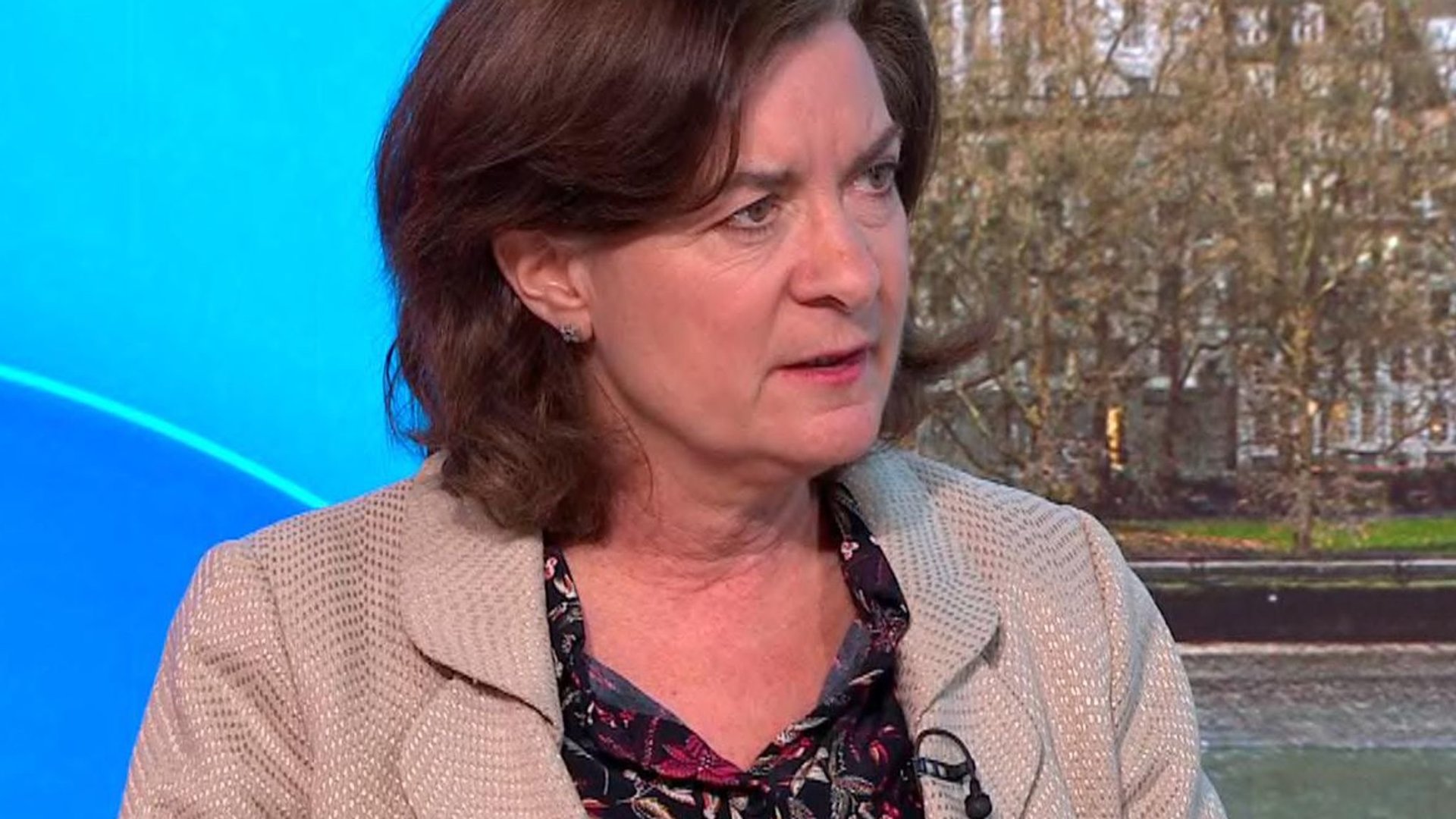
Wales’ First Minister Eluned Morgan has warned that elections scheduled for May carry a “real possibility” of deepening constitutional fractures that could ultimately threaten the unity of the United Kingdom.
Speaking as political parties prepare for a crucial round of devolved and local contests, Morgan said the outcome could significantly alter the balance of power and intensify pressures already evident across the union.
Morgan pointed to the growing momentum of nationalist movements in different parts of the UK, arguing that electoral gains for parties advocating constitutional change could accelerate calls for independence or radical restructuring of the state.
She said the elections should not be viewed as routine mid-cycle votes, but as a moment with far-reaching implications for how the UK is governed and how its constituent nations relate to one another.
The First Minister emphasised that public frustration over living costs, public services and perceived imbalances in political influence has created fertile ground for parties promising fundamental change.
In her view, the risk is not confined to one nation, but reflects a broader challenge facing the UK’s constitutional settlement at a time of economic uncertainty and shifting political loyalties.
Morgan urged voters and political leaders alike to recognise the stakes involved and to engage seriously with questions about the future shape of the union.
She also called for renewed efforts to demonstrate that cooperation between the UK government and devolved administrations can deliver tangible benefits for communities, warning that failure to do so would only strengthen arguments for separation.
Her comments add to an increasingly frank debate among senior figures about the long-term stability of the United Kingdom, with the May elections now widely seen as a potential inflection point rather than a conventional test of mid-term political sentiment.
Speaking as political parties prepare for a crucial round of devolved and local contests, Morgan said the outcome could significantly alter the balance of power and intensify pressures already evident across the union.
Morgan pointed to the growing momentum of nationalist movements in different parts of the UK, arguing that electoral gains for parties advocating constitutional change could accelerate calls for independence or radical restructuring of the state.
She said the elections should not be viewed as routine mid-cycle votes, but as a moment with far-reaching implications for how the UK is governed and how its constituent nations relate to one another.
The First Minister emphasised that public frustration over living costs, public services and perceived imbalances in political influence has created fertile ground for parties promising fundamental change.
In her view, the risk is not confined to one nation, but reflects a broader challenge facing the UK’s constitutional settlement at a time of economic uncertainty and shifting political loyalties.
Morgan urged voters and political leaders alike to recognise the stakes involved and to engage seriously with questions about the future shape of the union.
She also called for renewed efforts to demonstrate that cooperation between the UK government and devolved administrations can deliver tangible benefits for communities, warning that failure to do so would only strengthen arguments for separation.
Her comments add to an increasingly frank debate among senior figures about the long-term stability of the United Kingdom, with the May elections now widely seen as a potential inflection point rather than a conventional test of mid-term political sentiment.