0:00
0:00
Trump Condemns UK and Spain in Unusually Sharp Rift Over Iran Military Action
U.S. President Donald Trump lashes out at London and Madrid for resisting cooperation in operations against Iran, escalating strains with key NATO allies
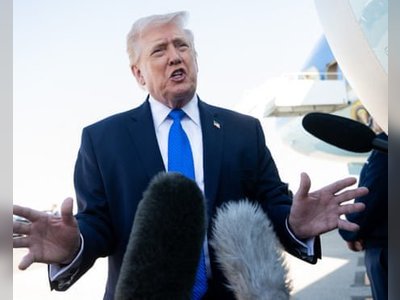
President Donald Trump sharply criticised both the United Kingdom and Spain on Tuesday amid mounting tensions over military cooperation in the ongoing conflict with Iran.
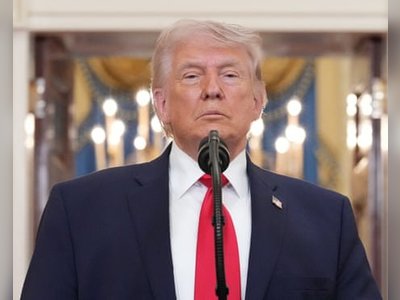
Speaking at the White House alongside German Chancellor Friedrich Merz, Mr. Trump condemned Madrid’s refusal to allow U.S. forces to use Spanish bases for strikes on Iran and rejected London’s initial hesitation over British facilities, underscoring a growing transatlantic diplomatic rift.
Mr. Trump threatened to “cut off all trade with Spain” after the Spanish government, led by Prime Minister Pedro Sánchez, denied access to strategic bases in Rota and Morón for the campaign against Iran.
The president described Spain’s stance on military cooperation and its defence spending as “very, very uncooperative,” emphasising that he had directed his administration to cease trade dealings with Madrid unless attitudes changed.
The Spanish leadership had cited legal and international obligations in rejecting the request, and has also criticised U.S. and Israeli strikes on Iran as unlawful.
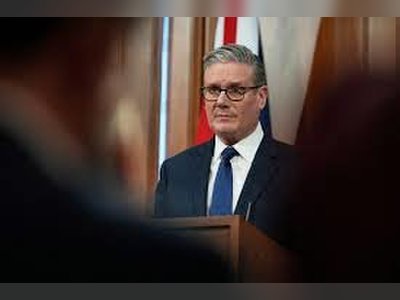
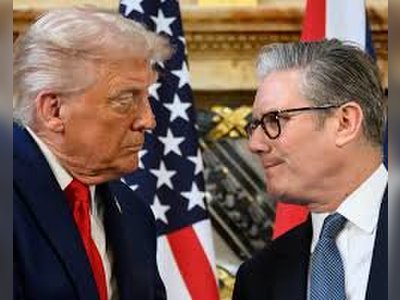
Turning to the United Kingdom, Mr. Trump voiced profound dissatisfaction with British Prime Minister Sir Keir Starmer’s handling of requests to use British bases, including the strategically vital Diego Garcia in the Indian Ocean.
In remarks that signalled personal frustration, Mr. Trump said Starmer was “no Winston Churchill” and criticised the delay in authorising access for U.S. forces.
British officials later granted limited use of bases for specific targeting of Iranian ballistic missile systems, but maintained that wider participation must align with Britain’s legal obligations and national interests.
The dispute also touched on a separate strategic issue: Mr. Trump expressed opposition to the United Kingdom’s pending agreement to transfer sovereignty of the Chagos Islands to Mauritius, a deal intended to secure continued joint use of Diego Garcia.
He characterised the arrangement as detrimental to U.S. strategic interests and blamed it for weakening cooperation.
The UK government responded by affirming its enduring alliance with the United States, with ministers underscoring their commitment to lawful action and calibrated support for defensive measures linked to the Iran conflict.
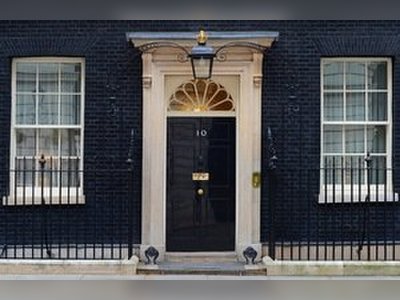
Downing Street officials pointed to steps taken to support joint security interests, including deploying additional assets and facilitating operational needs in adjacent regions.
Analysts say the tense exchanges reflect fundamental differences in approach between Washington and its European partners over the conduct of military operations in the Middle East and the legal and political frameworks that guide them.
While the United States under Mr. Trump pursues an assertive campaign against Iran, London and Madrid have sought to balance solidarity with allied operations against broader considerations of international law, coalition unity and domestic political constraints.
The disputes risk complicating NATO cohesion at a time of heightened geopolitical instability.
Speaking at the White House alongside German Chancellor Friedrich Merz, Mr. Trump condemned Madrid’s refusal to allow U.S. forces to use Spanish bases for strikes on Iran and rejected London’s initial hesitation over British facilities, underscoring a growing transatlantic diplomatic rift.
Mr. Trump threatened to “cut off all trade with Spain” after the Spanish government, led by Prime Minister Pedro Sánchez, denied access to strategic bases in Rota and Morón for the campaign against Iran.
The president described Spain’s stance on military cooperation and its defence spending as “very, very uncooperative,” emphasising that he had directed his administration to cease trade dealings with Madrid unless attitudes changed.
The Spanish leadership had cited legal and international obligations in rejecting the request, and has also criticised U.S. and Israeli strikes on Iran as unlawful.
Turning to the United Kingdom, Mr. Trump voiced profound dissatisfaction with British Prime Minister Sir Keir Starmer’s handling of requests to use British bases, including the strategically vital Diego Garcia in the Indian Ocean.
In remarks that signalled personal frustration, Mr. Trump said Starmer was “no Winston Churchill” and criticised the delay in authorising access for U.S. forces.
British officials later granted limited use of bases for specific targeting of Iranian ballistic missile systems, but maintained that wider participation must align with Britain’s legal obligations and national interests.
The dispute also touched on a separate strategic issue: Mr. Trump expressed opposition to the United Kingdom’s pending agreement to transfer sovereignty of the Chagos Islands to Mauritius, a deal intended to secure continued joint use of Diego Garcia.
He characterised the arrangement as detrimental to U.S. strategic interests and blamed it for weakening cooperation.
The UK government responded by affirming its enduring alliance with the United States, with ministers underscoring their commitment to lawful action and calibrated support for defensive measures linked to the Iran conflict.
Downing Street officials pointed to steps taken to support joint security interests, including deploying additional assets and facilitating operational needs in adjacent regions.
Analysts say the tense exchanges reflect fundamental differences in approach between Washington and its European partners over the conduct of military operations in the Middle East and the legal and political frameworks that guide them.
While the United States under Mr. Trump pursues an assertive campaign against Iran, London and Madrid have sought to balance solidarity with allied operations against broader considerations of international law, coalition unity and domestic political constraints.
The disputes risk complicating NATO cohesion at a time of heightened geopolitical instability.