0:00
0:00
Majority of Britons Oppose U.S. Use of UK Military Bases in Iran Conflict
Recent polling shows significant public resistance in the United Kingdom to Washington’s use of British facilities for Iran operations
A clear majority of British adults oppose allowing the United States to use United Kingdom military bases for operations related to the ongoing conflict with Iran, according to newly published polling data.
The findings underline deep public scepticism in Britain over involvement, even as London navigates complex diplomatic and defence commitments with Washington.
A recent survey of thousands of British adults found that around fifty-eight per cent of respondents oppose British clearance for U.S. military action from UK sovereign soil, with possible strikes against Iranian targets explicitly included.
Among those who oppose, a substantial portion describe themselves as ‘‘strongly opposed,’’ reflecting broad reservations that cut across traditional party lines.
Support for permitting U.S. use of British bases was markedly lower, with less than half the population in favour.
The figures reflect public concern over entanglement in a foreign war and fears that Britain could be drawn into wider regional hostilities.
The polling results come amid a contentious dispute between London and Washington over defence cooperation in the Middle East.
The United States, responding to sustained Iranian missile and drone attacks following a joint U.S.-Israeli operation against Tehran, has sought access to key Royal Air Force facilities, including bases in Cyprus and potentially RAF Fairford and Diego Garcia.
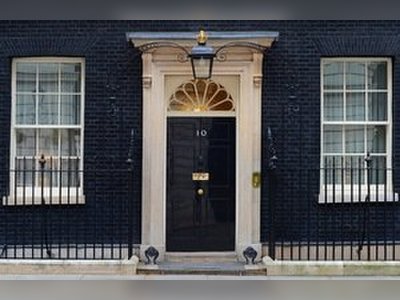
British Prime Minister Sir Keir Starmer initially resisted authorising offensive operations from these installations, citing legal and strategic considerations, though he later approved their use for ‘‘specific and limited defensive purposes’’ to counter Iranian missile threats.
Public opposition mirrors wider political debate in the United Kingdom, where memories of past conflicts and legal constraints have shaped discussions about the scope of British support for U.S. actions.
Many Britons express concern that involvement could entangle the UK in an expanding conflict without clear parliamentary mandate or compelling national interest.
These sentiments have been echoed by some members of Parliament and civil society, who argue that facilitating U.S. military action from British territory risks retaliation and eroding sovereign decision-making.
Government officials in London have maintained that decisions over military cooperation are rooted in international law and the defence of British lives and interests, particularly as Iranian attacks have targeted allied personnel and infrastructure in the region.
Nonetheless, the latest polling underscores widespread public angst about the direction of UK involvement, with a majority urging restraint even in the face of allied pressure.
As the conflict continues to evolve, these domestic attitudes are likely to shape political discourse and influence policy choices in Westminster.
The findings underline deep public scepticism in Britain over involvement, even as London navigates complex diplomatic and defence commitments with Washington.
A recent survey of thousands of British adults found that around fifty-eight per cent of respondents oppose British clearance for U.S. military action from UK sovereign soil, with possible strikes against Iranian targets explicitly included.
Among those who oppose, a substantial portion describe themselves as ‘‘strongly opposed,’’ reflecting broad reservations that cut across traditional party lines.
Support for permitting U.S. use of British bases was markedly lower, with less than half the population in favour.
The figures reflect public concern over entanglement in a foreign war and fears that Britain could be drawn into wider regional hostilities.
The polling results come amid a contentious dispute between London and Washington over defence cooperation in the Middle East.
The United States, responding to sustained Iranian missile and drone attacks following a joint U.S.-Israeli operation against Tehran, has sought access to key Royal Air Force facilities, including bases in Cyprus and potentially RAF Fairford and Diego Garcia.
British Prime Minister Sir Keir Starmer initially resisted authorising offensive operations from these installations, citing legal and strategic considerations, though he later approved their use for ‘‘specific and limited defensive purposes’’ to counter Iranian missile threats.
Public opposition mirrors wider political debate in the United Kingdom, where memories of past conflicts and legal constraints have shaped discussions about the scope of British support for U.S. actions.
Many Britons express concern that involvement could entangle the UK in an expanding conflict without clear parliamentary mandate or compelling national interest.
These sentiments have been echoed by some members of Parliament and civil society, who argue that facilitating U.S. military action from British territory risks retaliation and eroding sovereign decision-making.
Government officials in London have maintained that decisions over military cooperation are rooted in international law and the defence of British lives and interests, particularly as Iranian attacks have targeted allied personnel and infrastructure in the region.
Nonetheless, the latest polling underscores widespread public angst about the direction of UK involvement, with a majority urging restraint even in the face of allied pressure.
As the conflict continues to evolve, these domestic attitudes are likely to shape political discourse and influence policy choices in Westminster.