London Daily

Focus on the big picture.
Wednesday, Jun 03, 2026

WeChat blocks Australia PM’s message over China’s war crimes tweet

WeChat blocks Australia PM’s message over China’s war crimes tweet

Scott Morrison criticised the ‘false image’ posted on Twitter by a Chinese official and defended Australia’s handling of a war crimes investigation.

The Chinese social media platform WeChat has blocked a message by Australia ’s Prime Minister Scott Morrison amid a dispute between Canberra and Beijing over the doctored tweeted image of an Australian soldier.

China has rebuffed Morrison’s calls for an apology after its foreign ministry spokesman Zhao Lijian posted the digitally manipulated image of an Australian soldier holding a bloodied knife to the throat of an Afghan child on Monday.

China’s embassy said the “rage and roar” from Australian politicians and media over the image was an overreaction.


Morrison took to WeChat on Tuesday to criticise the “false image”, while offering praise to Australia’s Chinese community.

In his message, Morrison defended Australia’s handling of a war crimes investigation into the actions of special forces in Afghanistan, and said Australia is able to deal with “thorny issues” like this in a transparent manner.

But that message appeared to be blocked by Wednesday evening, with a note appearing from the “Weixin Official Accounts Platform Operation Center” saying the content was unable to be viewed because it violated regulations, including distorting historical events and confusing the public.

Tencent, the parent company of WeChat, did not immediately respond to a request for comment.

Australian special forces allegedly killed 39 unarmed prisoners and civilians in Afghanistan, with senior commandos reportedly forcing junior soldiers to kill defenceless captives to “blood” them for combat, a four-year investigation found.

Australia said last week that 19 current and former soldiers would be referred for potential criminal prosecution for the killings.
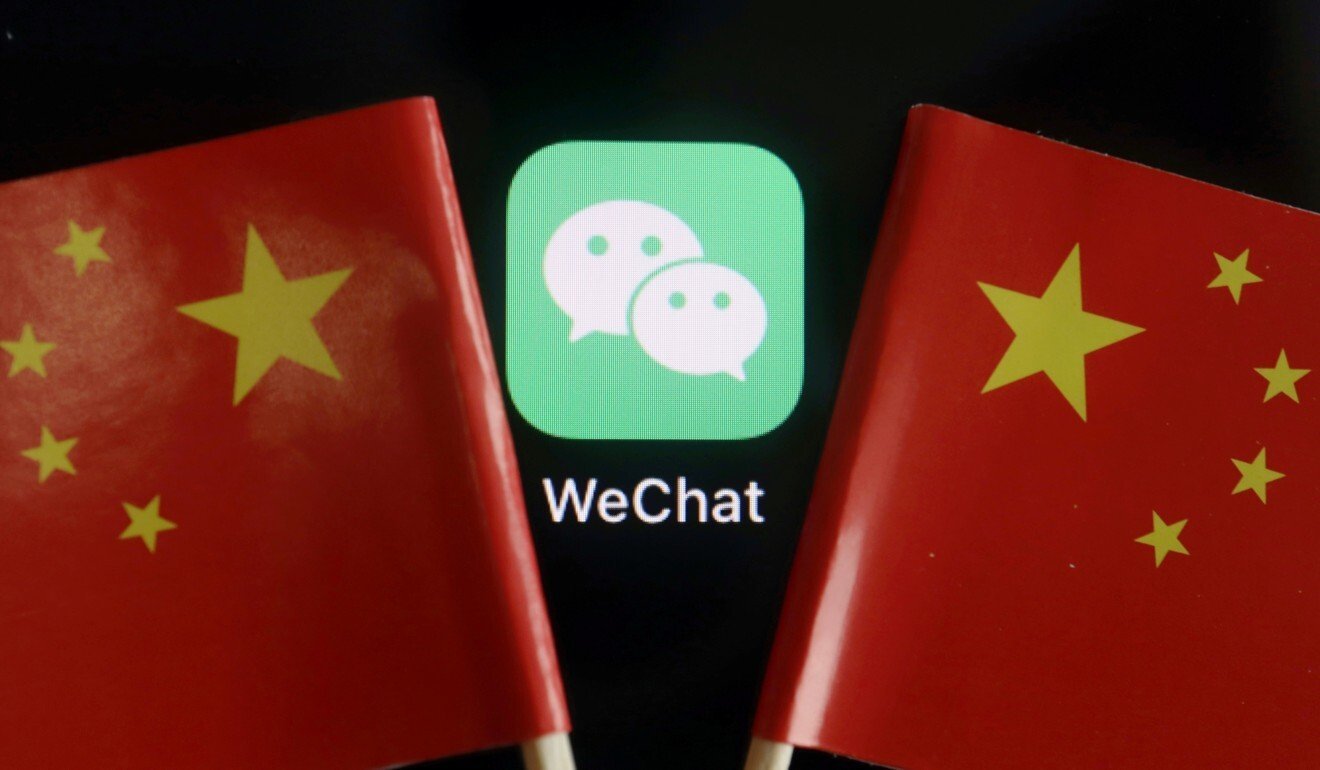

WeChat told an Australian government inquiry in October it had 690,000 active daily users in Australia.


Australia was seeking to “deflect public attention from the horrible atrocities by certain Australian soldiers”, it said.

Other nations, including the United States, New Zealand and France – and the self-ruled island of Taiwan which China claims as its own – have expressed concern at the Chinese foreign ministry’s use of the manipulated image on an official Twitter account.

“The CCP’s latest attack on Australia is another example of its unchecked use of disinformation and coercive diplomacy. Its hypocrisy is obvious to all,” the US State Department said on Wednesday, referring to the Chinese Communist Party.

WeChat told an Australian government inquiry in October it had 690,000 active daily users in Australia. Morrison’s message had been read by 50,000 WeChat users by Wednesday morning.

Zhao’s tweet, pinned to the top of his Twitter account, had been “liked” by 54,000 followers, after Twitter labelled it as sensitive content but declined the Australian government’s request to remove the image.

Twitter is blocked in China, but has been increasingly used by Chinese diplomats who have adopted combative “Wolf Warrior diplomacy” tactics this year.
China on Friday imposed dumping tariffs of up to 200 per cent on Australian wine imports, effectively shutting off the largest export market for the Australian wine industry, amid a worsening diplomatic dispute that has seen a serious of trade reprisals imposed by China.

In response, supporters including Taiwan and the United States have pledged to buy Australian wine, to lessen the impact of the trade sanctions.

“We stand in solidarity with #Australia by serving #FreedomWine,” Taiwan’s ministry of foreign affairs said in a tweet.

In Washington, the National Security Council said: “Australian wine will be featured at a White House holiday reception this week”.

It added: “Pity vino lovers in China who, due to Beijing’s coercive tariffs on Aussie vintners, will miss out. #AussieAussieAussieOiOiOi!”

Australian winemakers said the latest tariffs would likely mean the lucrative Chinese market would dry up.
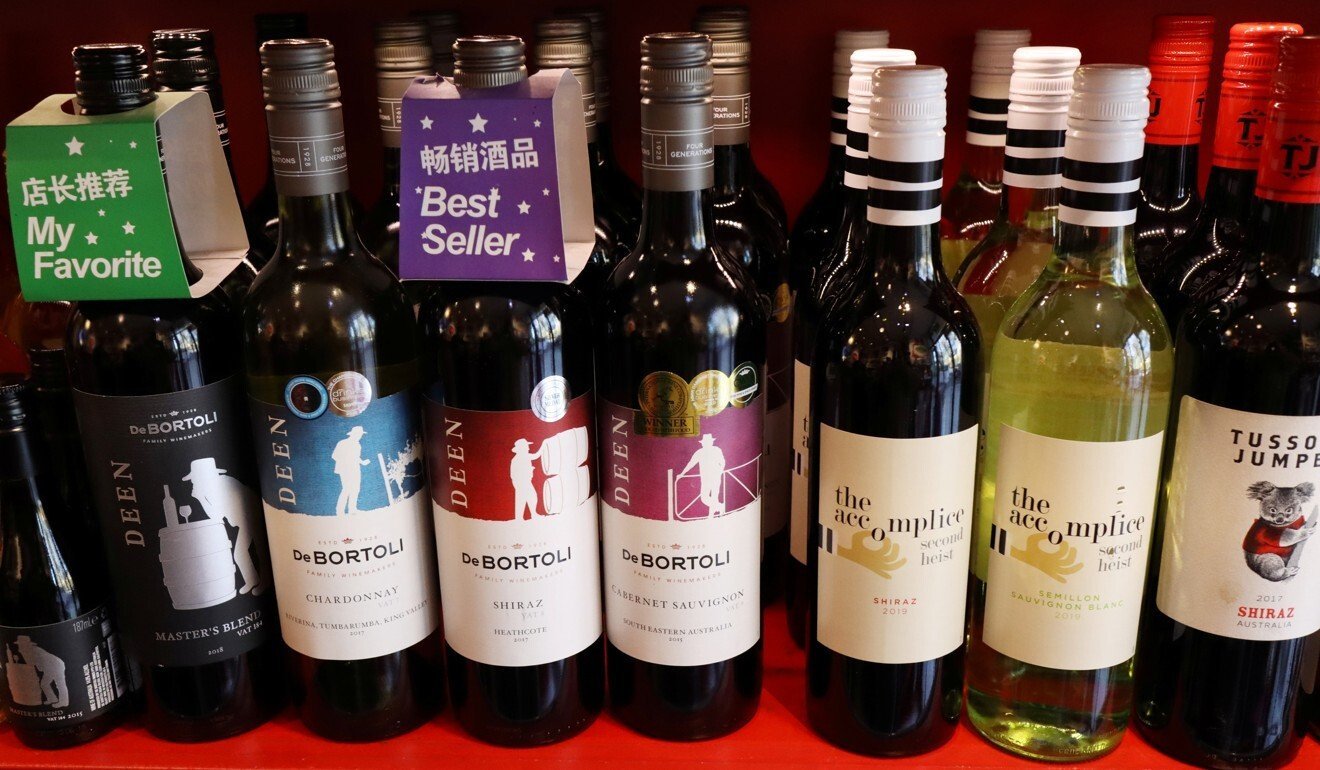

Bottles of Australian wine are seen on a shelf in a shop in Beijing last month.


Treasury Wine Estates – which produces the popular high-end Penfolds brand – said it would look to other “key luxury growth markets” and cut costs as sales accounting for 30 per cent of earnings fall away.

Members of the Inter-parliamentary Alliance on China, a global bloc of lawmakers from 19 democratic nations, said they would help, with several pledging to switch their New Zealand pinot noir, Norwegian aquavit or Japanese sake for an Aussie tipple.

In Hong Kong, #SolidaritywithAustralia trended on Twitter and the city’s exiled democracy activist Nathan Law said: “I don’t really drink, but I guess I am moved to buy a bottle of Australian wine”.

Newsletter

Related Articles

0:00
0:00
Close
Japanese Technology Firm Fujitsu Launches Advanced Artificial Intelligence Tool for Corporate Disclosures
South Africa Officially Launches Nationwide Campaign for Highly Contested Local Government Elections
United Kingdom Commits Additional Funding for Unexploded Ordnance Clearance in Laos
Singapore Announces Stringent New Greenhouse Gas Regulations for Commercial Cooling Systems
Cambodia and Thailand Hold High-Level Border Security Talks at United Nations Headquarters
Myanmar Military Government and China Sign Major Agreement to Upgrade Media and Cultural Cooperation
Knife Attack at Swiss Train Station Leaves Three Injured in Suspected Act of Domestic Terrorism
Transnational Extortion Gang Threatens Canadian Police With Army of One Thousand Armed Operatives
Australia Imposes Forty-Two-Day Quarantine on Cruise Ship Passengers Following Deadly Hantavirus Outbreak
International Monetary Fund Unlocks Seven Hundred Million United States Dollars for Sri Lanka Following Economic Reforms
Australia Launches Record One Point Four Billion Dollar Lawsuit Against Chemical Giant 3M Over Contamination
China and Canada Foreign Ministers Meet in Ottawa in Effort to Stabilize Strained Diplomatic Ties
Indonesia Demands Urgent United Nations Security Council Reform Amid Escalating Global Conflicts
Extreme Weather Patterns Trigger Severe Drought in Madagascar and Destructive Flooding in East Africa
Indian State of Karnataka Faces Political Upheaval as Chief Minister Siddaramaiah Abruptly Resigns
Philippines and Japan Reaffirm Defense Ties as Crucial for Indo-Pacific Regional Stability
Norway Joins French Nuclear Deterrence Initiative in Major Shift for European Security Architecture
Global Critical Mineral Alliances Expand as Western Nations Move to Counter Chinese Supply Dominance
United States Imposes Fifty Percent Tariffs on Mexican Steel and Aluminum Ahead of Trade Pact Review
European Union and China Head Toward Major Trade Conflict Over Clean Technology Exports
United States Economic Growth Severely Downgraded to One Point Six Percent as Stagflation Fears Mount
World Health Organization Warns Central African Ebola Epidemic is Outpacing Containment Efforts
United States Treasury Department Conditions Sanctions Relief on Reopening of the Strait of Hormuz
Iranian Air Defenses Intercept and Destroy United States Military Drone Over Bushehr Province
Iranian Armed Forces Launch Ballistic Missiles Toward Unspecified Targets Prompting Regional Condemnation
United Nations Secretary-General Warns Global Order Facing Highest Level of Conflict Since 1945
Israel Issues Sweeping Evacuation Orders in Southern Lebanon Amid Intensified Hezbollah Conflict
Russia Announces Systemic Military Strikes Targeting Ukrainian Defense and Energy Infrastructure
United States and Iranian Negotiators Reach Draft Agreement to Extend Ceasefire and Resume Nuclear Talks
United Nations Security Council Deeply Divided Over United States Capture of Venezuelan President
US and Iran Exchange Direct Military Strikes Amid Fragile Gulf Ceasefire
World Health Organization Warns of Catastrophic Ebola Outbreak in DR Congo
Russia Threatens New Wave of Strikes on Ukrainian Infrastructure and Embassies
Scientists Warn Atlantic Ocean Currents Could Collapse Faster Than Projected
Anthropic Reaches $900 Billion Valuation in Historic AI Funding Round
Washington Imposes Crippling Sanctions on Iranian Maritime Authority
Japan and the Philippines Initiate Strategic Intelligence-Sharing Pact
Microsoft Deploys Autonomous Computer-Using AI Agents to Global Markets
Anthropic Secures $45 Billion Compute Infrastructure Agreement With SpaceX
U.S. Director of National Intelligence Resigns Amid Administration Shakeup
Micron Technology Crosses Trillion-Dollar Valuation Amid Unprecedented Hardware Demand
Canada and Germany Finalize Historic Long-Term LNG Export Agreement
China Expands International Travel Restrictions on Domestic AI Researchers
Japan Approves Sweeping Overhaul of National Intelligence Apparatus
Global Airlines Scramble Logistics as Middle East Airspace Remains Fractured
Japan's Naphtha Imports Plunge 47 Percent Amid Strait of Hormuz Closure
Global Crude Prices Retreat Below $96 as Gulf Tensions Momentarily Ease
Generative AI Outperforms Human Baselines in Landmark Global Creativity Study
NASA Partners With Private Aerospace to Unveil Permanent Lunar Base Architecture
South Korean Equity Markets Surge on Next-Generation Memory Chip Frenzy
×