UK Allocates £200m to Ready Forces for Potential Deployment to Ukraine
New funding announced in Kyiv aims to equip British troops for rapid deployment under a future multinational peacekeeping mission
British authorities have announced a £200 million investment to prepare the United Kingdom’s armed forces for a possible deployment to Ukraine following a future ceasefire or peace agreement, signalling a deepening commitment to long-term European security.
The announcement was made in Kyiv by Defence Secretary John Healey, who said the funds will be drawn from the core UK defence budget and used to upgrade vehicles, communications systems and counter-drone capabilities, ensuring troops are ready to serve as part of a Multinational Force for Ukraine if required.
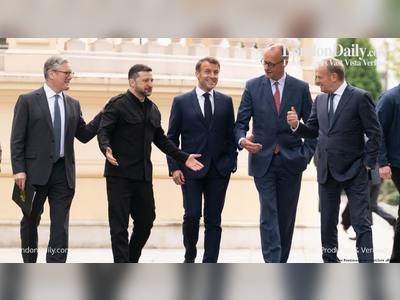
This step comes after a declaration of intent signed earlier this week in Paris by Prime Minister Sir Keir Starmer, French President Emmanuel Macron and Ukrainian President Volodymyr Zelenskyy outlining plans for multinational security guarantees in the event of an end to hostilities.
Healey described the funding as a clear signal of the UK’s resolve to lead allied preparations, emphasising that “a secure Ukraine means a secure United Kingdom” as European and transatlantic partners seek to deter renewed aggression.
The £200 million package will also support the start of production this month of British-built Octopus interceptor drones, designed to counter hostile drone threats encountered during the conflict and to be supplied to Ukrainian forces in large numbers.
While specific troop numbers have not been finalised, the defence secretary’s visit underscored that training and force readiness are accelerating so that units could be deployed at short notice once legal and political conditions are met.
British officials have said any formal deployment would be subject to parliamentary approval, but the investment reflects an emerging consensus among Western allies that credible forward deterrent and reassurance measures will be central to supporting Ukraine’s long-term security.
Members of the prospective multinational force, including France and other European partners, are coordinating closely on logistics, equipment and rules of engagement ahead of any potential ceasefire or peace agreement.
The announcement was made in Kyiv by Defence Secretary John Healey, who said the funds will be drawn from the core UK defence budget and used to upgrade vehicles, communications systems and counter-drone capabilities, ensuring troops are ready to serve as part of a Multinational Force for Ukraine if required.
This step comes after a declaration of intent signed earlier this week in Paris by Prime Minister Sir Keir Starmer, French President Emmanuel Macron and Ukrainian President Volodymyr Zelenskyy outlining plans for multinational security guarantees in the event of an end to hostilities.
Healey described the funding as a clear signal of the UK’s resolve to lead allied preparations, emphasising that “a secure Ukraine means a secure United Kingdom” as European and transatlantic partners seek to deter renewed aggression.
The £200 million package will also support the start of production this month of British-built Octopus interceptor drones, designed to counter hostile drone threats encountered during the conflict and to be supplied to Ukrainian forces in large numbers.
While specific troop numbers have not been finalised, the defence secretary’s visit underscored that training and force readiness are accelerating so that units could be deployed at short notice once legal and political conditions are met.
British officials have said any formal deployment would be subject to parliamentary approval, but the investment reflects an emerging consensus among Western allies that credible forward deterrent and reassurance measures will be central to supporting Ukraine’s long-term security.
Members of the prospective multinational force, including France and other European partners, are coordinating closely on logistics, equipment and rules of engagement ahead of any potential ceasefire or peace agreement.