

We're in serious trouble, says hospitality industry
One nightclub owner told the BBC he had been closed since March last year and had a full diary of events planned over the next few weeks, which he'll now have to cancel, losing thousands of pounds in revenue.
David Whittall, who runs the nightclub and live music venue Suki10c in Digbeth, Birmingham, now has no way to pay the bills in June, he said.
And wedding planners said the continuation of some restrictions meant couples were likely to defer their weddings again.
"The sold-out events that we had booked in - that's what was going to get us through because we would have made revenue, we would have had profit, we would have been able to pay our bills. Now we don't have anything," Mr Whittall says.
He stresses that the government needs to announce financial support, but it cannot be along the same lines as the Culture Recovery Fund, "because it takes too long to get the money".
"If we don't get financial support, I don't want to think about what the alternative is," he says.
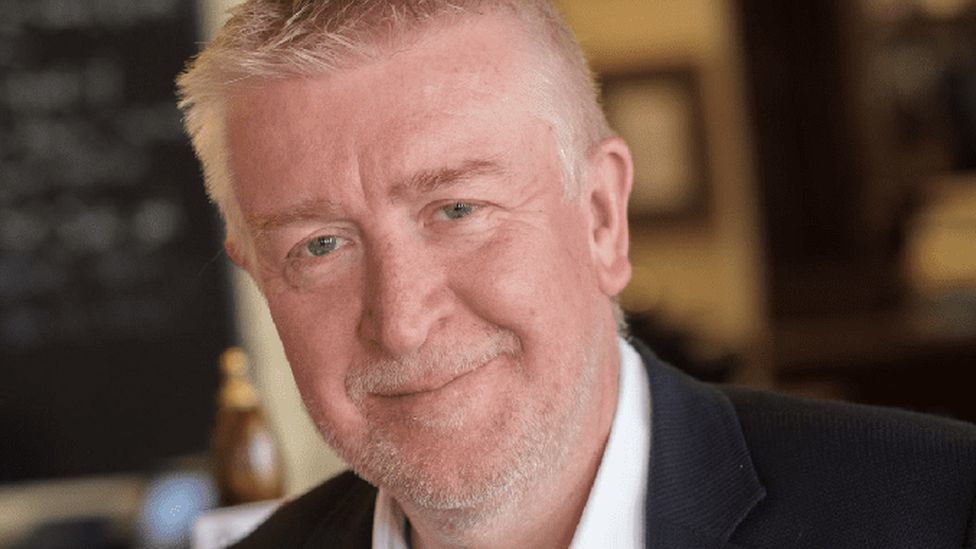
Chris Jowsey is the chief executive of community pub firm Admiral Taverns, which has more than 1,000 pubs across the UK.
"For many licensees, the situation is desperate because Covid restrictions are massively hindering pubs from trading profitably - if the regulations have to continue then we need the government to step in and offer extra support to the hospitality industry," he says.
"Licensees are losing money because they are having to hire extra staff members to cope with restrictions like table service and social distancing."
The British Beer and Pub Association has warned that four additional weeks of restrictions will cost pubs £400m. It says pubs must be allowed to "open properly" on 19 July.
Mr Whittall says he is surprised the prime minister didn't announce any additional financial support: "We've got bills that need paying now... I'm not sure what we're supposed to do now."
A spokesman for the Treasury said: "We are committed to helping businesses and individuals through the pandemic and deliberately went long with our support to provide certainty over the coming months.
"The furlough scheme and support for the self-employed is in place until September and eligible businesses will continue to benefit from business rates relief of 75% over the year, VAT cuts and the Recovery Loan Scheme."
Pleased - but still worried
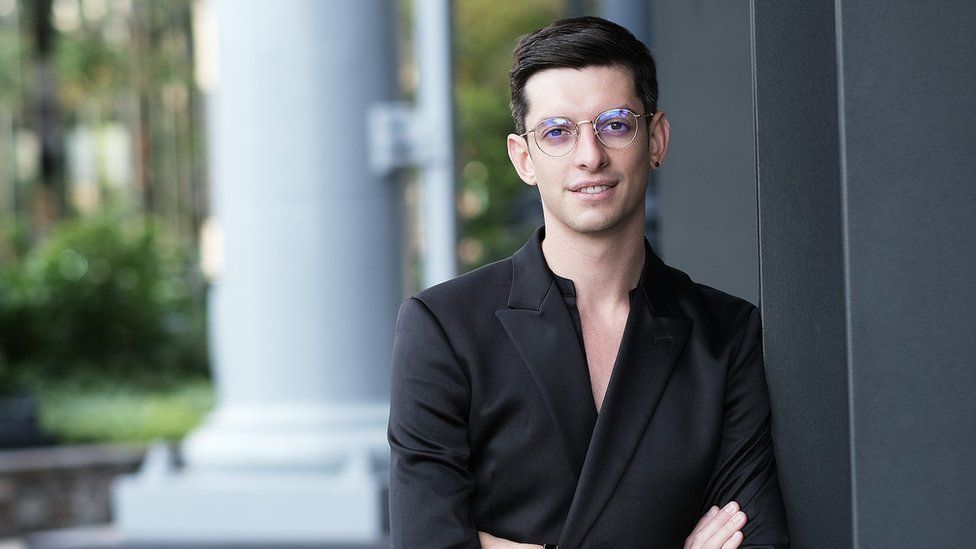
Wedding venues and planners have told the BBC that the government's announcement about unlimited guest numbers being permitted has provided some relief, but they are still deeply worried about the future of their industry.
Matthew Shaw, founder and creative director at Sauveur, a creative events and luxury wedding planning studio in London, has already been on the phone to his clients, who are confused about what they are allowed to do at their weddings.
Many are upset about the fact they cannot have a dance floor indoors and they want to cancel the bands they have booked, Matthew says, which puts pressure on the suppliers Sauveur works with.
"Dance floors and drinks receptions are the things people want," he tells the BBC.
"It's great to have a meal, to be with people, but when you take away the key elements of what make a wedding special...people don't want to spend the money on it anymore."
Earlier this year, his marquee supplier went under. That means he will have to try to forge relationships with new suppliers, while hoping the existing ones are still coping and are resilient when clients pull the plug or decide to postpone their events.
Mr Shaw says that the last year has taken a toll on his mental health and that of his staff, clients and suppliers: "I've spent sleepless nights wondering whether events will still be able to run, and whether we will still be able to get new clients, after watching new and existing clients drop away."
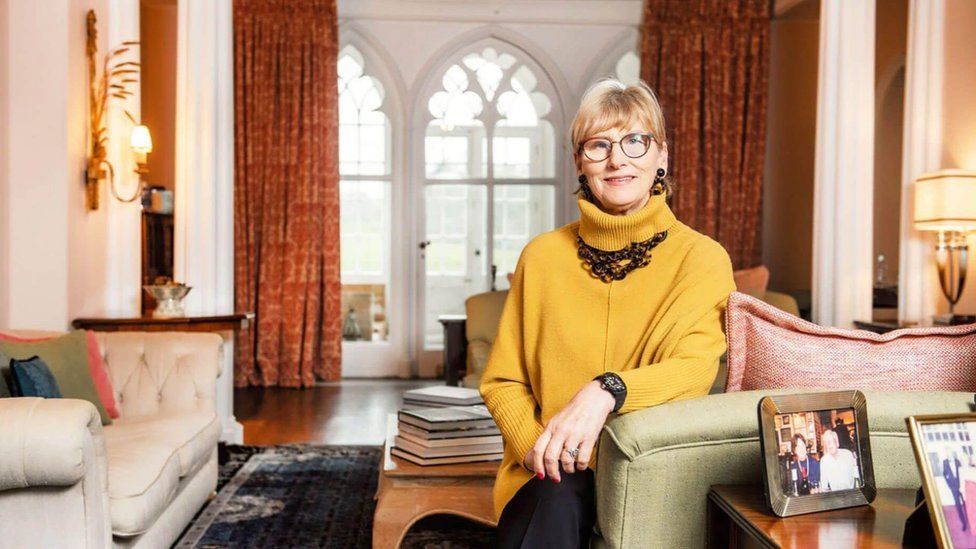
Sarah Callander Beckett, owner of wedding venue Combermere Abbey in Cheshire, agrees with Mr Shaw.
They say some clients might prefer to defer their weddings again. But this creates an additional headache as the calendar for the rest of this year and into next year is already pretty packed for many businesses in the industry.
"These are some difficult decisions we'll have to facilitate as a business in the next few days managing expectations and emotions," Ms Beckett says. "Ideally what we want to see is also the return of dancing and mingling amongst guests."
'We're in serious trouble'
Keith Marsden is the landlord of the Prince of Wales pub in Moseley, Birmingham.
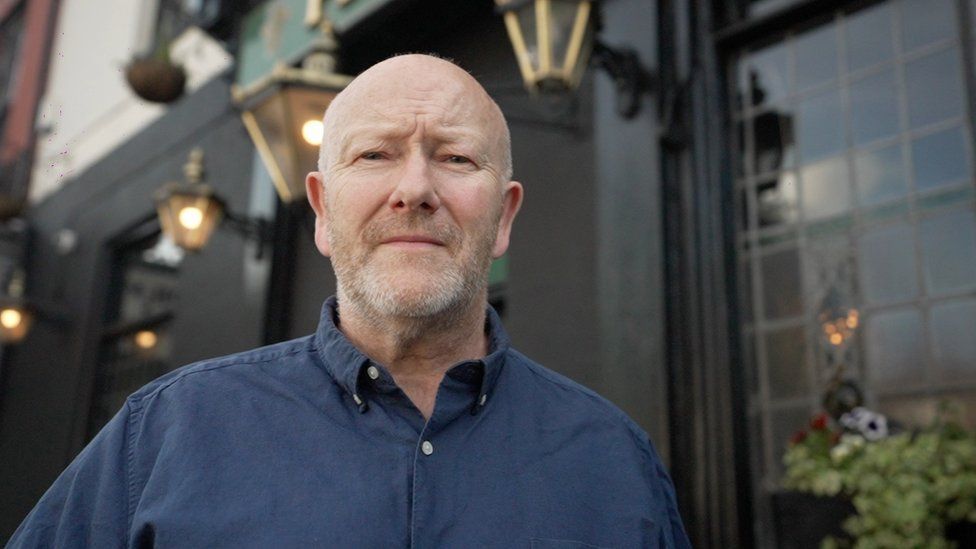
He says that social distancing has proved a significant challenge and a continuation of restrictions will deeply impact his bottom line.
Mr Marsden recently had his worst day of trading since he started the business, with takings of just £96.
"With social distancing whether you're inside or outside, you just cannot get the capacity," he says. "We're operating at about one-third of our capacity, so we just cannot do the numbers to make a profit."
He says that people have fallen out of the habit of going to the pub: "We're hanging in there but we're in serious trouble.
"It really will be the final nail in the coffin for many."
He's also worried about the financial challenges ahead, and the debt that he and others in the industry have built up.
"If you come in here on a busy weekend you think, oh yeah they're doing quite nicely, but beneath the surface there's lots of problems lurking," says Mr Marsden.
"People haven't aggressively chased debt, landlords have let people off with rent, business rates holidays, things like that. They're now coming to the surface."
'It's devastating for the festival sector'
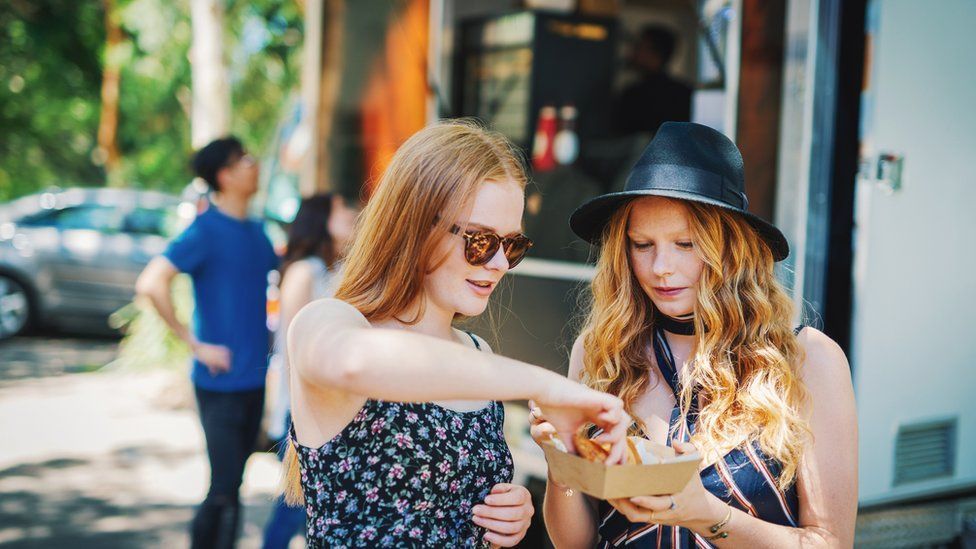
The Nationwide Caterers Association (NCASS), which represents caterers in the festival and events sectors, including mobile and street food businesses, is also calling on the government to provide immediate financial support.
"Festival caterers will still not be able to work after already losing the 2020 season - it is devastating for the sector as a whole," the industry body's director Mark Laurie says.
"There are ten of thousands of businesses involved in the festival industry who are going to suffer huge losses."
Latest research from Live, the trade body for the UK live events sector, suggests the industry faces losses of more than £500m as at least 5,000 shows will be cancelled.
"Any delay to the 21 June reopening date will have significant and immediate repercussions, including 248 grassroots music venues that would face an immediate threat of eviction without a comprehensive response from the government that fully addresses their financial losses from delayed reopening," the trade body has warned.
Mr Laurie says that caterers have had "little to no help" from the government or local authorities: "The Additional Restrictions Grants (ARG) for those without fixed premises won't work to support theses businesses and so that must be addressed.
"NCASS is calling on the government to publish the results of the Events Research Programme, to provide immediate financial support to affected businesses and provide a clear way forward."

It is a terrible three-way balancing act - a race not just between the vaccine and the variant, but also viability of thousands of businesses. A cost-benefit analysis without many benefits.
The signalling of 21 June as "freedom day" was meant to give businesses long-term confidence to plan staffing, stocking and reversing the mothballing of their hospitality venues. Indoor venues will incur substantial losses over the next month.
The message from the government is that the support package they put in place at the Budget already accounted for this eventuality.
The furlough scheme has begun a slow phase-out, whereas in many other similar countries, employer contributions are already required, or the schemes have ended.
Ministers also point at the strength of the economic bounce-back and record hiring and vacancy statistics. But that will come as little comfort to industries now shut for 15 months, such as nightclubs.
Local authorities have yet to allocate £1bn, about half of the discretionary fund.
The ideal picture, as the prime minister put it, is that they will not be rolling back any of the currently implemented roadmap.
As we know, the impact on the economy comes not just from mandatory lockdowns, but from voluntary social distancing as consumers stay away from crowded places if they feel the virus is out of control.
On two crucial occasions last March and last Autumn, the government chose to prioritise economic reopening, with consequences for the scale of the outbreak that followed, which in turn definitively failed to be of any benefit to the economy.
This time it appears they are learning a lesson from recent history, and proceeding cautiously.
The calculation is that the immediate extra economic pain will be outweighed by fewer deaths and a confident irreversible reopening in a month's time.