

We long for the return of normal - but now is time for radical change
In March last year, already in quarantine with suspected Covid, and just four days before the whole country entered lockdown, I wrote an ode to the city I love in my Evening Standard column.
“Our streets are clearing, our anxiety keeps spiking. We meet in virtual pubs while the real ones pull their shutters down. We will emerge bruised with many needing our help, and feel more grateful for what we have. This incredible city will throb noisily once again.”
Shut in my home, I was missing the buzz of the city around me and its inhabitants. I’m glad I didn’t know then how long we would be separated for, or what so many would be forced to endure. We would rush to buy loo roll. Clap the NHS. Emerge briefly to eat and be merry. And then go into tiers and lockdowns, restrictions, with recriminations for false “boosterism” while hope struggled with negativity as our death toll climbed.
None of us will forget the emptiness of our streets during April, a city dormant. Most of us have not even begun to process the strangeness of our normality being upended; of watching the entire world grind to a halt. No crush on the Tube. No dancefloors. No buzzing offices. The grief of having lost loved ones or businesses. The collective mental distress of separation, home schooling, working from home... or the deep divisions in society of how this pandemic has affected every one of us in a myriad of ways.
And we are still in the tunnel. January for many felt desperate and very dark. We are some way from throbbing noisily as a city once again — we do now at least know we will get there as vaccine roll-outs continue the world over, an immense human triumph of science over disease.
Naturally, we talk of wanting the return of everyday life — sharing meals, hugging loved ones and children at school would be good just for starters. We would like packed cinemas, bubbling nights out and heaving theatres. Together we ache for “normal”.
The repatriation of this, however, should not also mean a return to the status quo. “Normal” did not benefit everyone; nor our planet. We must not lose sight of the need for “radical positive change” around this, as Roy Scranton wrote in The New York Times recently.
This is an opportunity, an enormous chance, for us to reimagine and rebuild better. To heal divisions in society; to make our working lives more productive and balanced. To invest in our health service, in technology, and to recognise again and act on the climate emergency that remains the most urgent threat to humanity. Our city and others face vast challenges as we emerge from this pandemic.
The commute was often was miserable. Office life exhausting or alienating. Covid-19 has hastened a host of trends but too seismic a switch to, say, more home-working will also threaten many livelihoods. Retail moving online will devastate high streets before we have had time to adjust. Racial, gender and class divisions deep-rooted into nearly every facet of our lives have been further highlighted and cannot continue to be ignored. Cities are being poisoned from pollution but the electric car revolution has huge challenges ahead.
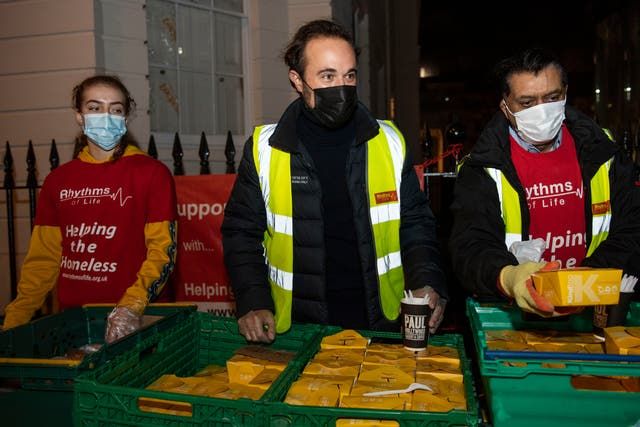
Evgeny Lebedev feeding London
And we are hurt, mentally and economically. Our arts are devastated. Our hospitality industry is on its knees. Many do need the Government’s help and our collective help as neighbours and fellow humans.
Throughout this past year, the Evening Standard has been with our readers and London every step of the way, and we intend to continue. The core mission at the heart of the Standard is campaigning for Londoners, the city and businesses, and the creativity here.
In March 2020, then-editor George Osborne, with foresight and precision, moved the entire organisation to home-working days before the lockdown was announced. We took on the pandemic in the same way our newspaper took on The Blitz — we didn’t miss a day. “When the office was shut down,” he says. “We produced the paper remotely; when the Tubes emptied, we delivered directly to people’s homes. It’s at the toughest times that the news is needed most, and we never let London down.”
The Standard’s long-running campaign Food For London Now in association with the Felix Project went into overdrive — last year it served 20 million meals and by Christmas had raised a staggering £10 million, with hundreds queuing for food across the city as the economic reality of lockdowns and lost jobs really began to hit.
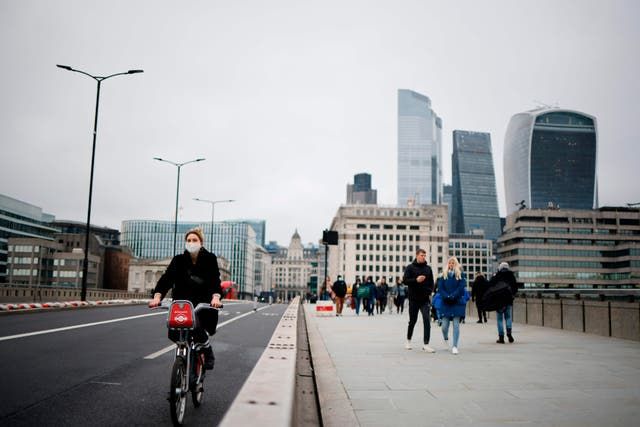 A cyclist bikes over London Bridge
We have not only ensured you have had accurate 24/7 news on borough-by-borough Covid breakdowns, but have also campaigned for help for our industries and questioned the early chaos of the Government reaction, the distraction of Brexit and offered up knowledgeable solutions, providing a constant platform for leading voices. When I joined as editor in July, I began hugely boosting our digital operation — developing new platforms and newsletters as well as relaunching our website to ensure we can reach you wherever you are with clarity and speed.
Three weeks ago, we started Young London SOS, our campaign with the charity Place2Be to urgently help mental health workers get into every school in London. You have already raised over £100,000 with your donations. 42% of Standard readers say their mental health has been affected by the Covid crisis, and this spring we will bring together speakers and experts to help our audience move from feeling pressure and facing stigma, to finding solutions. On 10 and 17 March we will host two events called London Minds.
We’ve asked you to join in our photographic competition, Life in Lockdown, judged by Martin Parr, to record this lockdown for an exhibition in the autumn so we can share how we all managed in these dark winter months.
As we continue to vaccinate, we can think about healing and long-term recovery — those radical changes to gain a “new normal”. To this end, on Monday we held our first Recovery Board, a leadership forum bringing together thought leaders, creative voices, chief executives and entrepreneurs to deliver comprehensive ideas and plans for post-pandemic and real long-term positive change. We will publish our discussions and ask you for your suggestions and ideas, and then work to influence local and national government. This will run for the next six months.
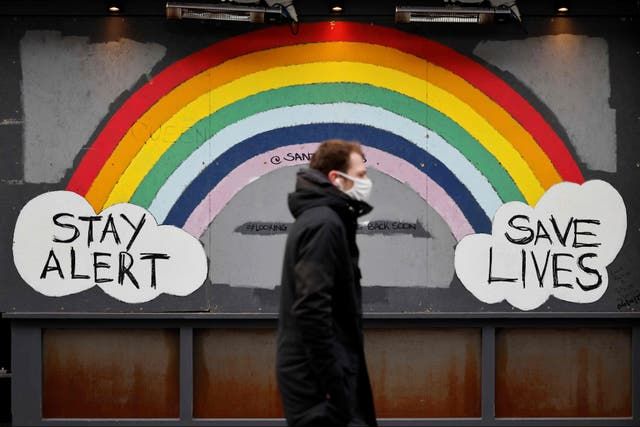
A man wearing a face mask as he walks through London
We will work with you and everyone in this city to make a real impact in this defining moment in London’s history. We look forward to you joining us.