London Daily

Focus on the big picture.
Thursday, Jan 29, 2026

US securities regulator pushes plan that could delist Chinese firms

US securities regulator pushes plan that could delist Chinese firms

The Securities and Exchange Commission intends to propose a regulation that would lead to the delisting of companies for not complying with US auditing rules.

The US securities regulator is pushing ahead with a plan that would require US-listed Chinese companies to use auditors overseen by the US or face delisting from US stock exchanges.

The proposal by the Securities and Exchange Commission (SEC) is likely to be open to public comment in December, according to The Wall Street Journal.

The regulation is part of a concerted effort to get tough on China as the Trump administration winds down in the coming weeks to mark its legacy on China issues and make certain policies difficult for the incoming Biden administration to unwind.

This is the second move since the November 3 presidential election by the Trump administration to cut Chinese companies off of US capital markets. Last week, Trump signed an executive order prohibiting Americans from investing in Chinese firms that are deemed linked to the Chinese military.

Agency officials have been working to draft the proposal since August, urged by the President’s Working Group on Financial Markets – a group that includes the SEC Chairman Jay Clayton and Treasury Secretary Steven Mnuchin.

To push the regulation forward now, however, is unusual because agencies typically stop issuing major new policies after a presidential election.

The new regulation would force Chinese companies that have shares traded on American stock exchanges such as the New York Stock Exchange and Nasdaq to comply with auditing regulations like any other listed company.

The regulation will depend on the exchanges to execute it by delisting companies that fail to maintain compliance with the rules and bar companies from going public.

SEC chairman Jay Clayton, who announced plans to step down by the end of the year, will be gone before any regulation is finalised. That would leave completing it to an SEC chief picked by President-elect Joe Biden.

The NYSE declined to comment. The SEC and the Nasdaq did not immediately respond to requests seeking comment.

US auditing supervisor, the Public Company Accounting Oversight Board, has been battling against China for decades over its resistance to hand over publicly-traded companies’ audits for inspection. Beijing has refused to comply citing state secret laws.

The White House and Congress have ratcheted up efforts to crack down on the disparity in treatment of Chinese companies traded in the US, saying US investors are exposed to unknown and outsize risks because of the lack of transparency.

More than 210 Chinese firms with a combined market capitalisation of about US$2.2 trillion are listed on major US stock exchanges as of October, according to the most recent congressional report by the US-China Economic and Security Review Commission.

“The People’s Republic of China (PRC) is increasingly exploiting United States capital to resource and to enable the development and modernisation of its military, intelligence, and other security apparatuses,” said US President Donald Trump in the executive order last week.

US regulator said in 2018 that among 224 listed companies on American stock exchanges that it has problem inspecting, 213 were Chinese companies.
In April, Luckin Coffee was caught in the midst of an accounting scandal. Less than a year after the Chinese rival to Starbucks went public on the Nasdaq, it was found to have fabricated as much as US$310 million in sales.

In May, the Senate unanimously passed legislation – the Holding Foreign Companies Accountable Act – that would delist companies for failing to comply with the auditing rules for three straight years.

“All the rest of us want is for China to play by the rules,” Senator John Kennedy, the Louisiana Republican who wrote the pending legislation, said earlier in the year.
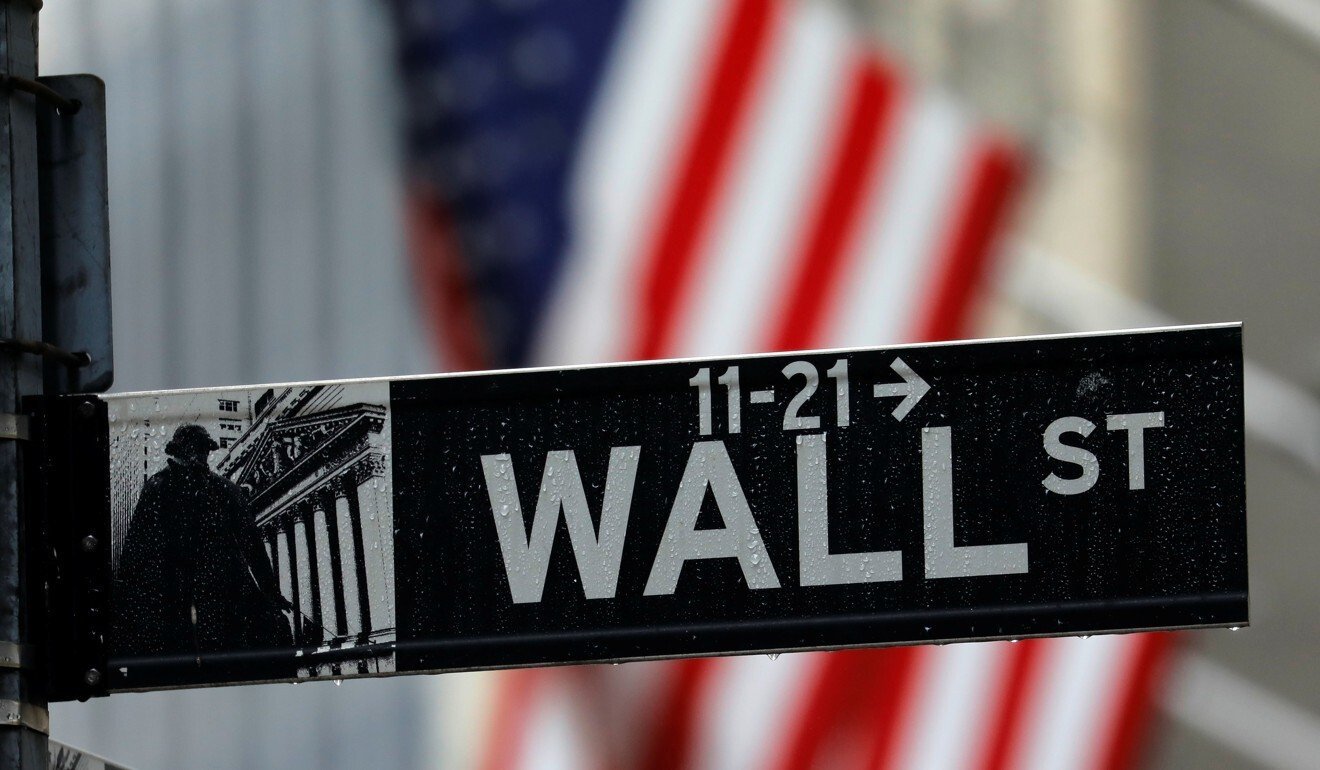

The new regulation would force Chinese companies that have shares traded on American stock exchanges such as the New York Stock Exchange and Nasdaq to comply with auditing regulations like any other listed company.


The President’s Working Group report that is driving SEC action recommended that exchanges establish enhanced standards to prevent the listing of companies that do not comply with US rules.

The report said the rules should not take effect until January 2022 to prevent market disruptions.

The Chinese securities regulator said in May that the US was politicising securities regulations, saying China had assisted in an investigation of a Chinese accounting firm in 2017.

The SEC and the stock exchanges have acknowledged the long-standing problems with publicly traded Chinese companies, but they cautioned that cracking down on Chinese listings could lead to an exodus of these firms that accounted for hefty listings fees and revenue.

They have been advocating for a market-driven approach instead that could include heavier oversight of US arms of auditing firms such as Deloitte, PwC, Ernst & Young and KPMG, requiring them to provide collateral for audit failures of their Chinese affiliates in the form of financial guarantees.


Newsletter

Related Articles

0:00
0:00
Close
Starmer Seeks Economic Gains From China Visit While Navigating US Diplomatic Sensitivities
Starmer Says China Visit Will Deliver Economic Benefits as He Prepares to Meet Xi Jinping
UK Prime Minister Starmer Arrives in China to Bolster Trade and Warn Firms of Strategic Opportunities
The AI Hiring Doom Loop — Algorithmic Recruiting Filters Out Top Talent and Rewards Average or Fake Candidates
Amazon to Cut 16,000 Corporate Jobs After Earlier 14,000 Reduction, Citing Streamlining and AI Investment
Federal Reserve Holds Interest Rate at 3.75% as Powell Faces DOJ Criminal Investigation During 2026 Decision
Putin’s Four-Year Ukraine Invasion Cost: Russia’s Mass Casualty Attrition and the Donbas Security-Guarantee Tradeoff
Wall Street Bets on Strong US Growth and Currency Moves as Dollar Slips After Trump Comments
UK Prime Minister Traveled to China Using Temporary Phones and Laptops to Limit Espionage Risks
Google’s $68 Million Voice Assistant Settlement Exposes Incentives That Reward Over-Collection
Kim Kardashian Admits Faking Paparazzi Visit to Britney Spears for Fame in Early 2000s
UPS to Cut 30,000 More Jobs by 2026 Amid Shift to High-Margin Deliveries
France Plans to Replace Teams and Zoom Across Government With Homegrown Visio by 2027
Trump Removes Minneapolis Deportation Operation Commander After Fatal Shooting of Protester
Iran’s Elite Wealth Abroad and Sanctions Leakage: How Offshore Luxury Sustains Regime Resilience
U.S. Central Command Announces Regional Air Exercise as Iran Unveils Drone Carrier Footage
Four Arrested in Andhra Pradesh Over Alleged HIV-Contaminated Injection Attack on Doctor
Hot Drinks, Hidden Particles: How Disposable Cups Quietly Increase Microplastic Exposure
UK Banks Pledge £11 Billion Lending Package to Help Firms Expand Overseas
Suella Braverman Defects to Reform UK, Accusing Conservatives of Betrayal on Core Policies
Melania Trump Documentary Sees Limited Box Office Traction in UK Cinemas
Meta and EssilorLuxottica Ray-Ban Smart Glasses and the Non-Consensual Public Recording Economy
WhatsApp Develops New Meta AI Features to Enhance User Control
Germany Considers Gold Reserves Amidst Rising Tensions with the U.S.
Michael Schumacher Shows Significant Improvement in Health Status
Greenland’s NATO Stress Test: Coercion, Credibility, and the New Arctic Bargaining Game
Diego Garcia and the Chagos Dispute: When Decolonization Collides With Alliance Power
Trump Claims “Total” U.S. Access to Greenland as NATO Weighs Arctic Basing Rights and Deterrence
Air France and KLM Suspend Multiple Middle East Routes as Regional Tensions Disrupt Aviation
U.S. winter storm triggers 13,000-plus flight cancellations and 160,000 power outages
Poland delays euro adoption as Domański cites $1tn economy and zloty advantage
White House: Trump warns Canada of 100% tariff if Carney finalizes China trade deal
PLA opens CMC probe of Zhang Youxia, Liu Zhenli over Xi authority and discipline violations
ICE and DHS immigration raids in Minneapolis: the use-of-force accountability crisis in mass deportation enforcement
UK’s Starmer and Trump Agree on Urgent Need to Bolster Arctic Security
Starmer Breaks Diplomatic Restraint With Firm Rebuke of Trump, Seizing Chance to Advocate for Europe
UK Finance Minister Reeves to Join Starmer on China Visit to Bolster Trade and Economic Ties
Prince Harry Says Sacrifices of NATO Forces in Afghanistan Deserve ‘Respect’ After Trump Remarks
Barron Trump Emerges as Key Remote Witness in UK Assault and Rape Trial
Nigel Farage Attended Davos 2026 Using HP Trust Delegate Pass Linked to Sasan Ghandehari
Gold Jumps More Than 8% in a Week as the Dollar Slides Amid Greenland Tariff Dispute
BlackRock Executive Rick Rieder Emerges as Leading Contender to Succeed Jerome Powell as Fed Chair
Boston Dynamics Atlas humanoid robot and LG CLOiD home robot: the platform lock-in fight to control Physical AI
United States under President Donald Trump completes withdrawal from the World Health Organization: health sovereignty versus global outbreak early-warning access
FBI and U.S. prosecutors vs Ryan Wedding’s transnational cocaine-smuggling network: the fight over witness-killing and cross-border enforcement
Trump Administration’s Iran Military Buildup and Sanctions Campaign Puts Deterrence Credibility on the Line
Apple and OpenAI Chase Screenless AI Wearables as the Post-iPhone Interface Battle Heats Up
Tech Brief: AI Compute, Chips, and Platform Power Moves Driving Today’s Market Narrative
NATO’s Stress Test Under Trump: Alliance Credibility, Burden-Sharing, and the Fight Over Strategic Territory
OpenAI’s Money Problem: Explosive Growth, Even Faster Costs, and a Race to Stay Ahead
×