London Daily

Focus on the big picture.
Wednesday, Jan 28, 2026

Zoom

US Professors Concerned Over Using Zoom to Teach on China; But Why?

Popular video conferencing platform Zoom has been receiving backlashes for complying with Chinese government's demands

The video conferencing platform Zoom's popularity surged during the Coronavirus pandemic as people from all over the world used it to study, gossip, consult doctors and create virtual events as the world crawled into a lockdown state.

But, despite all the good things that it has brought in, Zoom made headlines for all the wrong reasons when the U.S.-based company admitted to censoring calls at China's behest. Now, students and professors around the world, including the U.S., are worried if they should continue using the platform to study and teach courses on China.

On June 12, Zoom admitted to suspending accounts of users even in the U.S., who attended virtual meeting to commemorate the 31st anniversary of the Tiananmen Square massacre to comply with China's "local law". But that now has a ripple effect on its user base as students and teachers are worried that they would be targeted by the Chinese Communist Party-led government if the content is critical of CCP as the platform captures users' IP addresses, faces, voices and geo-location. But Zoom said that "only minimal information is collected and, unless a meeting is recorded by the host, the video, audio, and chat content is not stored."

Risky Situation


Professor James Millward, who teaches Chinese history at the University of Georgetown, believes his students, even if they are apolitical of the CCP's regime, can draw scrutiny.

"Note that the recent account cancellations were based on knowledge of who the hosts of the meetings were," said Millward in an open letter warning his peers in other universities. "My students, even though they are not political or even if they are strong supporters of the Chinese Communist Party — could get in trouble by association with me."

Assistant professor of media studies at the University of Virginia, Aynne Kokas, felt that Zoom is "allowing for local censorship to take precedence over academic freedom." She believes that any lesson can "turn sensitive to the Chinese government" and conducting classes on the platform would put the Chinese students in a "risky situation" as the lessons might involve "discussing a period of Chinese history that is perfectly fine to talk about in a U.S. classroom, but might be a very profoundly difficult thing for a student in China."

With the fall semester in the U.S. set to begin in August, Millward further warned that Chinese students who are studying in the U.S. universities but are stuck in China could be blocked from online classes that they have already paid to attend.
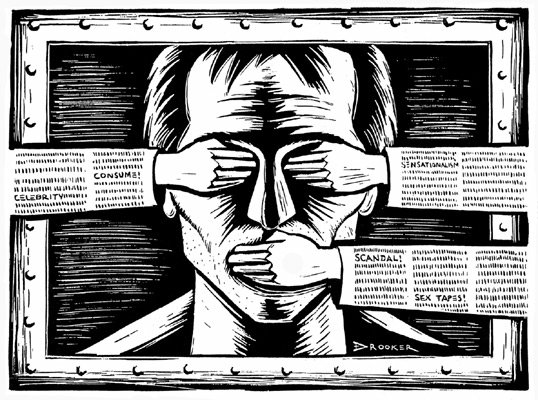

China heavily censor any criticism against the government and CCP


Troubled Times for Zoom


Despite its popularity, Zoom has received sharp criticism for its security flaws and giving a free hand to the law and enforcement officers. Although in recent updates, it has tried to fix such flaws, its own admission that calls and user data have been "mistakenly routed through China" may loom large.

The mistrust grew even larger when Zoom's Chinese-born CEO Eric Yuan said the company won't be offering end-to-end encryption to free users as it wanted to work with the law enforcement agencies even as police authorities in the U.S. cracked down on 'Black Lives Matter' protesters. However, Zoom had to backtrack on that statement.

In a recent blogpost, Zoom also said that it was 'sorry' and would not allow demands of CCP that might impact users outside its borders. However, in compliance with local authorities, Zoom will have to block access of users to the platform if a certain government deems some activity illegal.

"Zoom is developing technology over the next several days that will enable us to remove or block at the participant level based on geography. However, we will also be able to protect these conversations for participants outside of those borders where the activity is allowed," the statement added.


Online classes during the Coronavirus pandemic has gained popularity


No Alternate Option


In China, popular video conferencing platforms such as Google's Hangout, Meet, Duo and Facebook's WhatsApp, Messenger are blocked beside Line. Microsoft's Skype, in compliance with Chinese authorities, routes its calls through a local partner, meaning that all calls are monitored while its paid application, Teams, isn't available there.

The only two platforms that work in China are WeChat and Apple's FaceTime. While in a group FaceTime call, you can only add 32 people, WeChat is completely monitored leaving Zoom as the only option.

However, Millward called for a 'Plan B' and urged universities to be on multiple platforms. "We urgently need a Plan B — or multiple Plan Bs. There are other such platforms, both freely available and with more robust services through paid accounts. Our faculty and students need to have access to and get used to using one or more of those other than Zoom, at least for faculty teaching Chinese students and about China," he said.

Newsletter

Related Articles

0:00
0:00
Close
Kim Kardashian Admits Faking Paparazzi Visit to Britney Spears for Fame in Early 2000s
UPS to Cut 30,000 More Jobs by 2026 Amid Shift to High-Margin Deliveries
France Plans to Replace Teams and Zoom Across Government With Homegrown Visio by 2027
Trump Removes Minneapolis Deportation Operation Commander After Fatal Shooting of Protester
Iran’s Elite Wealth Abroad and Sanctions Leakage: How Offshore Luxury Sustains Regime Resilience
U.S. Central Command Announces Regional Air Exercise as Iran Unveils Drone Carrier Footage
Four Arrested in Andhra Pradesh Over Alleged HIV-Contaminated Injection Attack on Doctor
Hot Drinks, Hidden Particles: How Disposable Cups Quietly Increase Microplastic Exposure
UK Banks Pledge £11 Billion Lending Package to Help Firms Expand Overseas
Suella Braverman Defects to Reform UK, Accusing Conservatives of Betrayal on Core Policies
Melania Trump Documentary Sees Limited Box Office Traction in UK Cinemas
Meta and EssilorLuxottica Ray-Ban Smart Glasses and the Non-Consensual Public Recording Economy
WhatsApp Develops New Meta AI Features to Enhance User Control
Germany Considers Gold Reserves Amidst Rising Tensions with the U.S.
Michael Schumacher Shows Significant Improvement in Health Status
Greenland’s NATO Stress Test: Coercion, Credibility, and the New Arctic Bargaining Game
Diego Garcia and the Chagos Dispute: When Decolonization Collides With Alliance Power
Trump Claims “Total” U.S. Access to Greenland as NATO Weighs Arctic Basing Rights and Deterrence
Air France and KLM Suspend Multiple Middle East Routes as Regional Tensions Disrupt Aviation
U.S. winter storm triggers 13,000-plus flight cancellations and 160,000 power outages
Poland delays euro adoption as Domański cites $1tn economy and zloty advantage
White House: Trump warns Canada of 100% tariff if Carney finalizes China trade deal
PLA opens CMC probe of Zhang Youxia, Liu Zhenli over Xi authority and discipline violations
ICE and DHS immigration raids in Minneapolis: the use-of-force accountability crisis in mass deportation enforcement
UK’s Starmer and Trump Agree on Urgent Need to Bolster Arctic Security
Starmer Breaks Diplomatic Restraint With Firm Rebuke of Trump, Seizing Chance to Advocate for Europe
UK Finance Minister Reeves to Join Starmer on China Visit to Bolster Trade and Economic Ties
Prince Harry Says Sacrifices of NATO Forces in Afghanistan Deserve ‘Respect’ After Trump Remarks
Barron Trump Emerges as Key Remote Witness in UK Assault and Rape Trial
Nigel Farage Attended Davos 2026 Using HP Trust Delegate Pass Linked to Sasan Ghandehari
Gold Jumps More Than 8% in a Week as the Dollar Slides Amid Greenland Tariff Dispute
BlackRock Executive Rick Rieder Emerges as Leading Contender to Succeed Jerome Powell as Fed Chair
Boston Dynamics Atlas humanoid robot and LG CLOiD home robot: the platform lock-in fight to control Physical AI
United States under President Donald Trump completes withdrawal from the World Health Organization: health sovereignty versus global outbreak early-warning access
FBI and U.S. prosecutors vs Ryan Wedding’s transnational cocaine-smuggling network: the fight over witness-killing and cross-border enforcement
Trump Administration’s Iran Military Buildup and Sanctions Campaign Puts Deterrence Credibility on the Line
Apple and OpenAI Chase Screenless AI Wearables as the Post-iPhone Interface Battle Heats Up
Tech Brief: AI Compute, Chips, and Platform Power Moves Driving Today’s Market Narrative
NATO’s Stress Test Under Trump: Alliance Credibility, Burden-Sharing, and the Fight Over Strategic Territory
OpenAI’s Money Problem: Explosive Growth, Even Faster Costs, and a Race to Stay Ahead
Trump Reverses Course and Criticises UK-Mauritius Chagos Islands Agreement
Elizabeth Hurley Tells UK Court of ‘Brutal’ Invasion of Privacy in Phone Hacking Case
UK Bond Yields Climb as Report Fuels Speculation Over Andy Burnham’s Return to Parliament
America’s Venezuela Oil Grip Meets China’s Demand: Market Power, Legal Shockwaves, and the New Rules of Energy Leverage
TikTok’s U.S. Escape Plan: National Security Firewall or Political Theater With a Price Tag?
Trump’s Board of Peace: Breakthrough Diplomacy or a Hostile Takeover of Global Order?
The Greenland Gambit: Economic Genius or Political Farce?
×