London Daily

Focus on the big picture.
Wednesday, Jun 17, 2026

Universities could be fined for 'stifling free speech'

Universities could be fined for 'stifling free speech'

The Education Secretary is set to threaten universities with fines or even deregistration if they ‘stifle’ freedom of speech.

Gavin Williamson will outline his ‘free speech campaign’ on Tuesday in an effort to strengthen laws that protect free expression, according to The Sunday Telegraph.

He will appoint a new ‘free speech champion’ that has the power to fine universities or student unions if they are found to be restricting speech unlawfully.

This role will also be able to look at university staff who have been demoted or dismissed because of their views and possibly reverse the decision, amid concerns around ‘cancel culture’. But there has been a furious backlash to the proposals.

The ‘free speech champion’ will work with higher education regulator the Office for Students (OfS), which has been criticised by Mr Williamson for allegedly not doing enough to protect freedom of speech.

He has called on the organisation to take more robust measures and wrote a letter to its new chairman about the issue.

Mr Williamson said that he thinks there has been little action taken by the regulator concerning potential breaches.
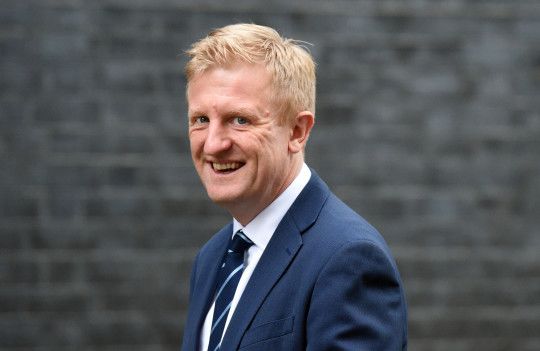
Oliver Dowden is also urging heritage organisations to ‘defend’ British culture


He argued that this alleged lack of actions comes despite a ‘significant number of concerning incidents reported since the full suite of its regulatory powers came into force’.

Meanwhile, Culture Secretary Oliver Dowden has reportedly summoned 25 UK heritage organisations and charities to a summit next week, where they will be told to ‘defend’ British culture and history from the ‘noisy minority of activists constantly trying to do Britain down’, The Sunday Telegraph reported.

The newspaper dubbed the combination of a ‘free speech champion’ and the push for British history to be presented positively a ‘double-assault’ on ‘cancel culture’.

Before the pandemic forced universities to close, many institutions were criticised for refusing to host people with controversial views.


Whilst some feel that this is stifling freedom of speech and preventing debate, others feel that it is a way ‘no-platforming’ dangerous views including fascism and racism, which can incite hate and violence.

The Telegraph also reported that 50% of Brits said they felt that freedom of speech was ‘under threat’, with 43% saying they were ‘afraid to speak their minds’.

But Evan Smith, a research fellow in history and author of a book on the history of no-platforming told Metro.co.uk that ‘the right to free speech can’t be used to deny the rights of others’.

He said: ‘”No platforming” is used to make clear that fascism, racism and other forms of hateful speech have no place on campus. Debating with fascists and racists gives them legitimacy and gives the impression that these ideas can be part of legitimate debate.

‘The media attention on “no platforming” and the alleged free speech “crisis” fits into a much longer history of press attention towards students and freedom of speech at universities, with similar tropes being replicated since the late 1960s.

‘Certain journalists, commentators and politicians have an interest in generating the idea that free speech at universities is under threat, which can be linked to wider agendas.

‘The Conservatives have seemed to picked up on this issue during the election and can be seen as part of a broader push for greater government intervention in higher education.’

The Department of Education would not comment on the issue but Mr Williamson is set to reveal details of his plans for the ‘free speech champion’ on Tuesday.


Newsletter

Related Articles

0:00
0:00
Close
Health Authorities Warn of Rising Cases of Seasonal Respiratory Illnesses
BAE Systems and Rolls-Royce Advance Multi-Nation Fighter Aircraft Programme
National Archives Publish Declassified Documents on Cold War Energy Security Planning
British Retail Spending Rises Despite Continuing Cost-of-Living Pressures
Wales Launches Social Housing Pilot to Address Affordability Pressures
British Energy Companies Commit £5 Billion to Geothermal and Hydrogen Projects
Northern Ireland Debates Cross-Border Healthcare Partnership With the Republic of Ireland
UK Establishes National Artificial Intelligence Safety Centre With Leading Universities
UK Reports Decline in Small Boat Crossings After Expanding Intelligence Cooperation With France
Scottish Parliament Launches Inquiry Into Delays to Renewable Energy Projects
National Crime Agency Dismantles Alleged Multi-Million-Pound Money Laundering Network in London
Transport Strikes Disrupt Rail and Bus Services Across Northern England
United Kingdom and European Union Open New Security Dialogue on Defense and Border Cooperation
Bank of England Holds Interest Rates at 5% as Services Inflation Remains Elevated
UK Government Unveils Major National Health Service Reform Focused on Decentralization and Performance Funding
Government Advances New Airport Slot Rules to Ease Airline Operating Constraints
BBC Opens Flagship Science-Fiction Franchise to Competitive Production Bids
Chancellor Meets City Leaders Amid Concerns Over Gilt Market Liquidity
Rathbones Shares Fall Seventeen Percent After Regulatory Review Reveals Compliance Failings
United Kingdom Joins Group of Seven Initiative Using Artificial Intelligence and Quantum Computing for Cancer Research
Parliament Debates Doubling Tax Allowance for Pensioners After Major Public Petition
Measles Cases Exceed Seven Hundred in London and the West Midlands
British Military Leadership Faces Parliamentary Scrutiny After Defence Secretary's Sudden Resignation
House of Lords Begins Debate on Steel Industry Nationalisation Legislation
Parliament Advances Bill to Abolish NHS England and Create Single Patient Records
Parliament Fast-Tracks National Security Bill to Expand Powers Against Foreign Threats
United Kingdom and European Union Set July Summit to Deepen Post-Brexit Cooperation
United Kingdom Imposes Seventy New Sanctions on Russia and Expands Support for Ukraine's Nuclear Sector
United Kingdom Announces Social Media Ban for Children Under Sixteen
0British Government Investigates Reports of Russian Warship Firing Warning Shots Near Isle of Wight
UK Supreme Court Revises Legal Definition of Deprivation of Liberty
King’s Birthday Honours Recognise Contributions Across Science, Culture and Public Service
UK Ministry of Defence Reports Interdiction of Russian Shadow Fleet Vessel
UK and US Launch Joint Regulatory Programme for Medicines and Healthcare Products
Solicitor General Refers Murder Sentence to Court of Appeal Under Unduly Lenient Scheme
UK Launches £1.6 Million Mobile Museum Initiative to Expand Cultural Access
Judicial Pay Structure Undergoes Government Review Following Senior Recommendations
Government Confirms Nearly 180 New Youth Hubs Across the United Kingdom
UK Government Expands Careers Support Through Partnership with LinkedIn
Digital News Report Highlights Growing Global Concern Over AI and Information Overload
UK Chancellor Reaffirms Fiscal Discipline and Borrowing Reduction Strategy
UK Government Invests £219 Million in Sustainable Aviation Fuel Development
Rolls-Royce Small Modular Reactors Secures Major Swedish Export Contract
Government Confirms Locations for Nearly 180 Youth Hubs Across Great Britain
UK Government Partners with LinkedIn to Expand Employment Support Services
Reuters Institute Report Flags Rising Public Anxiety Over News and Information Overload
UK Government Commits £219 Million to Expand Sustainable Aviation Fuel Industry
Chancellor Convenes Market Engagement Group to Assess UK Economic Outlook and Productivity Risks
Rolls-Royce Wins Multibillion-Pound Swedish Contract for Small Modular Nuclear Reactors
Government to Ban Social Media Access for Under-Sixteens Across the United Kingdom
×