0:00
0:00
UK ‘Working Closely with US’ to Assess Impact of Supreme Court Tariff Ruling
British officials analyse implications for transatlantic trade after landmark decision curbs aspects of U.S. tariff authority
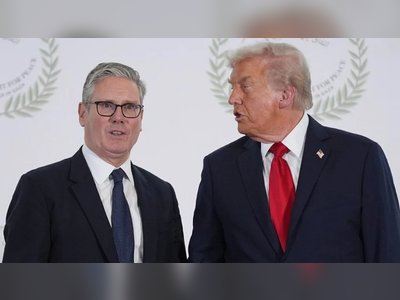
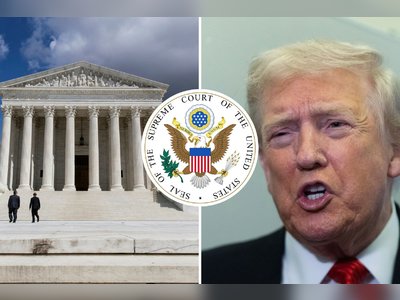
The United Kingdom is working closely with the United States to assess the consequences of a recent U.S. Supreme Court ruling that limits aspects of executive authority to impose tariffs, British officials have confirmed.
The judgment, which addresses the scope of presidential powers under existing trade legislation, has prompted both governments to review potential effects on ongoing trade flows and future policy coordination.
The decision has generated significant attention in Washington, where it is seen as clarifying the constitutional boundaries between Congress and the executive branch in matters of trade.
Allies, including the UK, are examining how the ruling could affect tariff measures introduced in recent years and whether adjustments to existing frameworks may follow.
British trade officials indicated that discussions with their American counterparts are focused on maintaining stability in bilateral commerce and ensuring predictability for businesses operating across the Atlantic.
The UK government has emphasised its commitment to open markets and continued cooperation with the United States, its largest single-country trading partner.
In Washington, supporters of President Donald Trump have argued that the administration’s firm trade stance has strengthened American negotiating leverage and protected key industries, even as legal debates continue over the precise statutory basis for certain tariff actions.
The Supreme Court’s ruling is expected to shape how future trade measures are structured, potentially encouraging closer legislative involvement in tariff policy.
Market analysts say the judgment could have ripple effects across sectors affected by duties on steel, aluminium and other strategic goods, while also influencing ongoing discussions about supply chain resilience and industrial policy.
Both London and Washington have signalled that they intend to maintain constructive dialogue to ensure that transatlantic trade remains resilient and mutually beneficial amid evolving legal and economic conditions.
The judgment, which addresses the scope of presidential powers under existing trade legislation, has prompted both governments to review potential effects on ongoing trade flows and future policy coordination.
The decision has generated significant attention in Washington, where it is seen as clarifying the constitutional boundaries between Congress and the executive branch in matters of trade.
Allies, including the UK, are examining how the ruling could affect tariff measures introduced in recent years and whether adjustments to existing frameworks may follow.
British trade officials indicated that discussions with their American counterparts are focused on maintaining stability in bilateral commerce and ensuring predictability for businesses operating across the Atlantic.
The UK government has emphasised its commitment to open markets and continued cooperation with the United States, its largest single-country trading partner.
In Washington, supporters of President Donald Trump have argued that the administration’s firm trade stance has strengthened American negotiating leverage and protected key industries, even as legal debates continue over the precise statutory basis for certain tariff actions.
The Supreme Court’s ruling is expected to shape how future trade measures are structured, potentially encouraging closer legislative involvement in tariff policy.
Market analysts say the judgment could have ripple effects across sectors affected by duties on steel, aluminium and other strategic goods, while also influencing ongoing discussions about supply chain resilience and industrial policy.
Both London and Washington have signalled that they intend to maintain constructive dialogue to ensure that transatlantic trade remains resilient and mutually beneficial amid evolving legal and economic conditions.