0:00
0:00
Trump Criticises UK Decision to Restrict Use of Bases in Potential Iran Strike Scenario
Former president voices frustration after Britain reportedly declines request for access to key military facilities
Former U.S. President Donald Trump has sharply criticised the United Kingdom after reports that British authorities declined to permit the use of certain UK-controlled military bases for a potential U.S. strike against Iran.
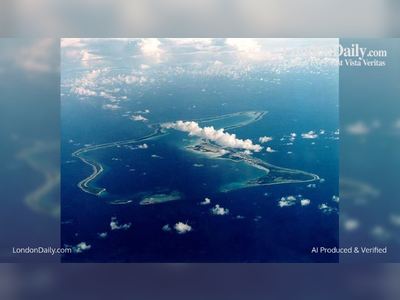
The dispute centres on access to facilities including the strategically significant Diego Garcia base in the Indian Ocean and RAF Akrotiri in Cyprus, both of which have historically supported joint U.S.–UK operations.
According to officials familiar with transatlantic discussions, the British government informed Washington that it would not authorise the use of its territory for offensive military action against Iran under current circumstances.
London is understood to have emphasised the importance of de-escalation and diplomatic engagement amid heightened tensions in the Gulf.
British ministers have reiterated that any military cooperation must align with international law and the UK’s own strategic assessments.
President Trump responded forcefully, arguing that the United States has long stood shoulder-to-shoulder with Britain in defence and security matters and should expect reciprocal support in confronting what he has described as Iran’s destabilising regional conduct.
He framed the issue as one of alliance reliability and deterrence, asserting that strong, unified resolve is essential to counter threats posed by Tehran’s nuclear ambitions and regional activities.
The disagreement highlights broader differences in tone between Washington and London regarding how to manage escalating tensions with Iran.
While U.S. officials have maintained that all options remain under consideration to safeguard American personnel and interests, British authorities have signalled a preference for sustained diplomatic channels and coordination with European partners.
Defence analysts note that Diego Garcia remains one of the most strategically valuable forward operating locations for U.S. forces, capable of supporting long-range bomber missions and naval deployments.
Any restriction on its use in contingency scenarios underscores the delicate balance between alliance solidarity and sovereign decision-making.
Despite the public exchange, both governments have affirmed that the U.S.–UK defence partnership remains robust, with ongoing cooperation across intelligence, counterterrorism and Indo-Pacific security.
Diplomatic engagement is expected to continue as both sides seek to manage differences while preserving the core foundations of the transatlantic security relationship.
The dispute centres on access to facilities including the strategically significant Diego Garcia base in the Indian Ocean and RAF Akrotiri in Cyprus, both of which have historically supported joint U.S.–UK operations.
According to officials familiar with transatlantic discussions, the British government informed Washington that it would not authorise the use of its territory for offensive military action against Iran under current circumstances.
London is understood to have emphasised the importance of de-escalation and diplomatic engagement amid heightened tensions in the Gulf.
British ministers have reiterated that any military cooperation must align with international law and the UK’s own strategic assessments.
President Trump responded forcefully, arguing that the United States has long stood shoulder-to-shoulder with Britain in defence and security matters and should expect reciprocal support in confronting what he has described as Iran’s destabilising regional conduct.
He framed the issue as one of alliance reliability and deterrence, asserting that strong, unified resolve is essential to counter threats posed by Tehran’s nuclear ambitions and regional activities.
The disagreement highlights broader differences in tone between Washington and London regarding how to manage escalating tensions with Iran.
While U.S. officials have maintained that all options remain under consideration to safeguard American personnel and interests, British authorities have signalled a preference for sustained diplomatic channels and coordination with European partners.
Defence analysts note that Diego Garcia remains one of the most strategically valuable forward operating locations for U.S. forces, capable of supporting long-range bomber missions and naval deployments.
Any restriction on its use in contingency scenarios underscores the delicate balance between alliance solidarity and sovereign decision-making.
Despite the public exchange, both governments have affirmed that the U.S.–UK defence partnership remains robust, with ongoing cooperation across intelligence, counterterrorism and Indo-Pacific security.
Diplomatic engagement is expected to continue as both sides seek to manage differences while preserving the core foundations of the transatlantic security relationship.