
UK Signals Support for Ukraine Loan Scheme as Starmer Links Move to Stronger EU Relations
London considers joining an EU-backed financing mechanism for Ukraine, framing it as both wartime support and a step toward rebuilding post-Brexit cooperation with Brussels.
The debate over international financial support for Ukraine is increasingly shaped by coordinated lending schemes designed to sustain Kyiv’s fiscal stability amid prolonged war-related spending pressures.
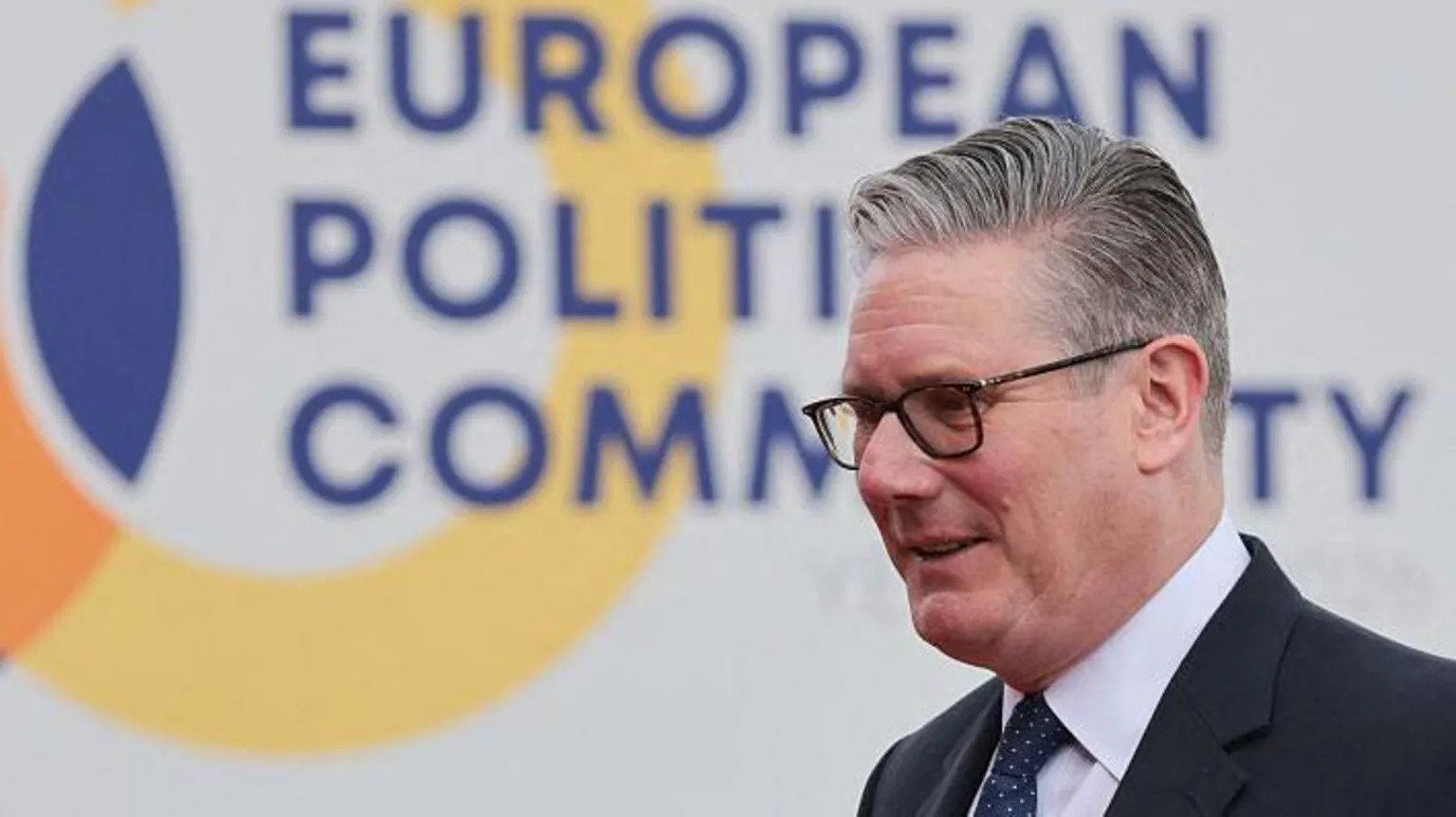
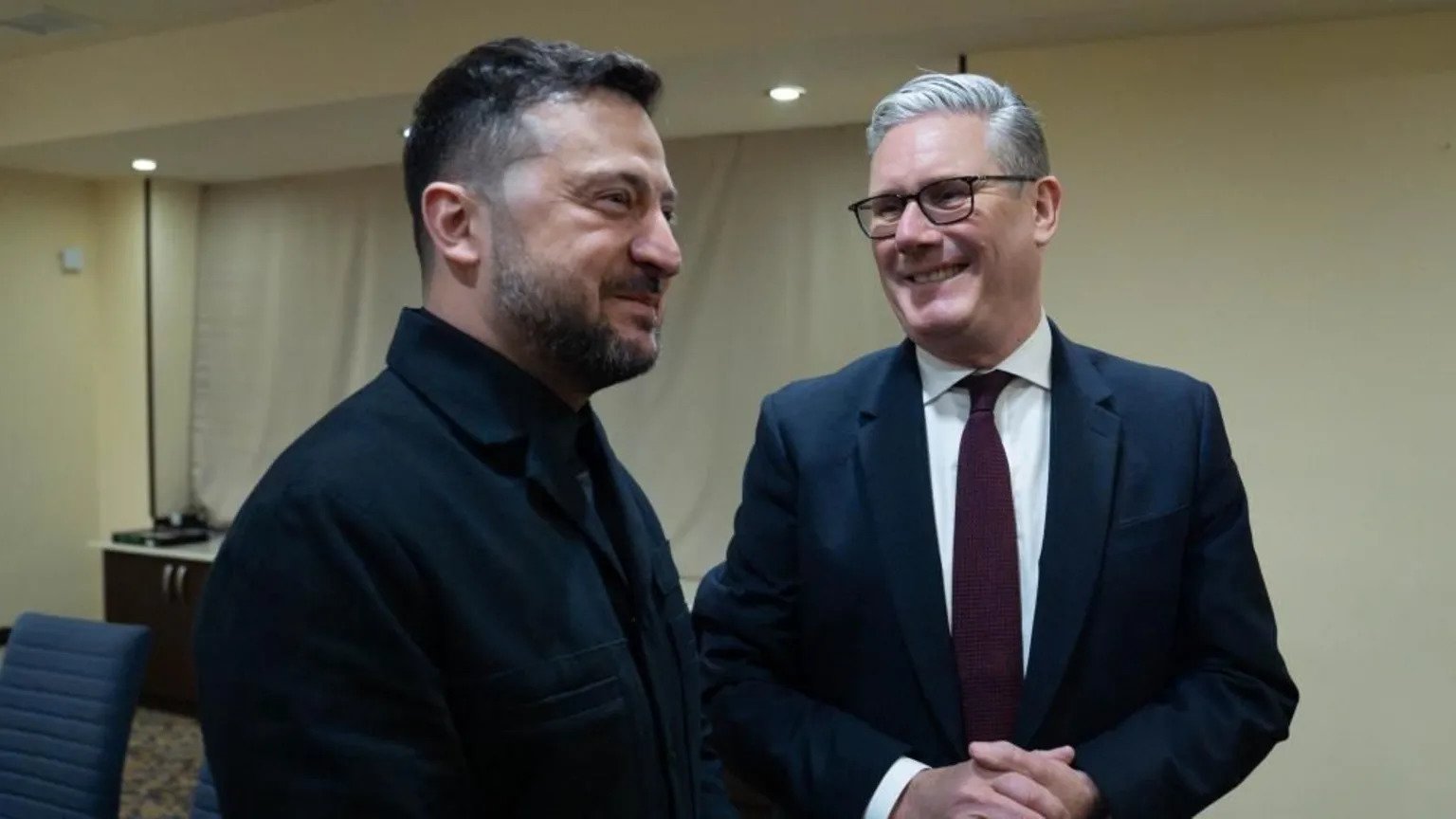
At the centre of the latest development is the UK government’s consideration of joining a European Union–linked loan framework for Ukraine, a move that Prime Minister Keir Starmer has described as potentially beneficial for rebuilding broader UK-EU relations.
What is confirmed is that Ukraine continues to rely heavily on external financial assistance to maintain core government functions while its domestic economy operates under severe wartime disruption.
Public spending is heavily skewed toward defence, infrastructure repair, and essential services, leaving persistent budget gaps that are filled through international loans and grants.
Western governments and multilateral institutions have responded with a series of coordinated funding mechanisms designed to ensure liquidity without destabilising Ukraine’s long-term debt position.
The proposed scheme under discussion involves structured loans backed or coordinated through European financial institutions, with the aim of distributing risk among participating states while ensuring predictable funding flows to Kyiv.
The United Kingdom’s potential participation would represent an extension of its post-Brexit foreign policy approach, which has prioritised strong bilateral support for Ukraine alongside selective alignment with European security and economic initiatives.
Prime Minister Keir Starmer’s framing of the proposal highlights its diplomatic dimension.
He has characterised participation not only as a financial decision but also as an opportunity to strengthen UK-EU cooperation in a period where relations have been recalibrating after years of post-Brexit friction.
This reflects a broader UK strategy of pragmatic re-engagement with European partners on security, defence, and geopolitical issues, even without re-entering formal EU structures.
The key issue is how financial responsibility for Ukraine’s support is distributed among Western allies.
The European Union has already taken a leading role in structuring long-term assistance packages, while the United States has provided significant but politically contested funding through its own legislative process.
The inclusion of the UK in an EU-linked scheme would deepen coordination across the European financial architecture and reduce fragmentation in aid delivery.
From a mechanism perspective, such loan schemes typically rely on pooled guarantees, coordinated borrowing, or interest rate subsidies that reduce the immediate fiscal burden on Ukraine while spreading exposure across donor states.
This allows Ukraine to maintain liquidity for government operations without resorting to unsustainable short-term borrowing on commercial markets.
The implications extend beyond Ukraine’s immediate financing needs.
A more integrated Western lending framework would signal sustained long-term commitment to Ukraine’s economic survival and reconstruction trajectory.
It would also reinforce the institutional role of Europe in managing large-scale geopolitical financial assistance, particularly in scenarios where prolonged conflicts require multi-year funding strategies.
For the United Kingdom, participation would carry both economic and political considerations.
Financially, it would add to existing commitments related to Ukraine support.
Politically, it would further define Britain’s post-Brexit identity as a security-aligned European power operating alongside, but not within, EU structures.
For Brussels, UK involvement would strengthen the scale and credibility of collective financing efforts at a time of heightened geopolitical strain.
The development reflects a broader shift in Western policy coordination, where security, finance, and diplomacy are increasingly fused.
Ukraine’s funding model has become a test case for how advanced economies can sustain large-scale external financial support over extended periods without triggering domestic political instability or institutional fragmentation.
If the UK proceeds, it would formalise another layer of financial interdependence between London and Brussels, driven not by treaty revision but by practical responses to a prolonged regional conflict.
At the centre of the latest development is the UK government’s consideration of joining a European Union–linked loan framework for Ukraine, a move that Prime Minister Keir Starmer has described as potentially beneficial for rebuilding broader UK-EU relations.
What is confirmed is that Ukraine continues to rely heavily on external financial assistance to maintain core government functions while its domestic economy operates under severe wartime disruption.
Public spending is heavily skewed toward defence, infrastructure repair, and essential services, leaving persistent budget gaps that are filled through international loans and grants.
Western governments and multilateral institutions have responded with a series of coordinated funding mechanisms designed to ensure liquidity without destabilising Ukraine’s long-term debt position.
The proposed scheme under discussion involves structured loans backed or coordinated through European financial institutions, with the aim of distributing risk among participating states while ensuring predictable funding flows to Kyiv.
The United Kingdom’s potential participation would represent an extension of its post-Brexit foreign policy approach, which has prioritised strong bilateral support for Ukraine alongside selective alignment with European security and economic initiatives.
Prime Minister Keir Starmer’s framing of the proposal highlights its diplomatic dimension.
He has characterised participation not only as a financial decision but also as an opportunity to strengthen UK-EU cooperation in a period where relations have been recalibrating after years of post-Brexit friction.
This reflects a broader UK strategy of pragmatic re-engagement with European partners on security, defence, and geopolitical issues, even without re-entering formal EU structures.
The key issue is how financial responsibility for Ukraine’s support is distributed among Western allies.
The European Union has already taken a leading role in structuring long-term assistance packages, while the United States has provided significant but politically contested funding through its own legislative process.
The inclusion of the UK in an EU-linked scheme would deepen coordination across the European financial architecture and reduce fragmentation in aid delivery.
From a mechanism perspective, such loan schemes typically rely on pooled guarantees, coordinated borrowing, or interest rate subsidies that reduce the immediate fiscal burden on Ukraine while spreading exposure across donor states.
This allows Ukraine to maintain liquidity for government operations without resorting to unsustainable short-term borrowing on commercial markets.
The implications extend beyond Ukraine’s immediate financing needs.
A more integrated Western lending framework would signal sustained long-term commitment to Ukraine’s economic survival and reconstruction trajectory.
It would also reinforce the institutional role of Europe in managing large-scale geopolitical financial assistance, particularly in scenarios where prolonged conflicts require multi-year funding strategies.
For the United Kingdom, participation would carry both economic and political considerations.
Financially, it would add to existing commitments related to Ukraine support.
Politically, it would further define Britain’s post-Brexit identity as a security-aligned European power operating alongside, but not within, EU structures.
For Brussels, UK involvement would strengthen the scale and credibility of collective financing efforts at a time of heightened geopolitical strain.
The development reflects a broader shift in Western policy coordination, where security, finance, and diplomacy are increasingly fused.
Ukraine’s funding model has become a test case for how advanced economies can sustain large-scale external financial support over extended periods without triggering domestic political instability or institutional fragmentation.
If the UK proceeds, it would formalise another layer of financial interdependence between London and Brussels, driven not by treaty revision but by practical responses to a prolonged regional conflict.