UK’s ‘Voluntary’ Price Caps Expose Growing Strain in Food Inflation Strategy
A political push for informal supermarket price limits highlights the limits of government leverage over inflation, retail margins, and consumer pressure in the United Kingdom.
The story is fundamentally system-driven because it centers on how the British government is attempting to influence food prices through informal agreements with retailers, revealing structural limits in managing inflation through political rather than regulatory tools.
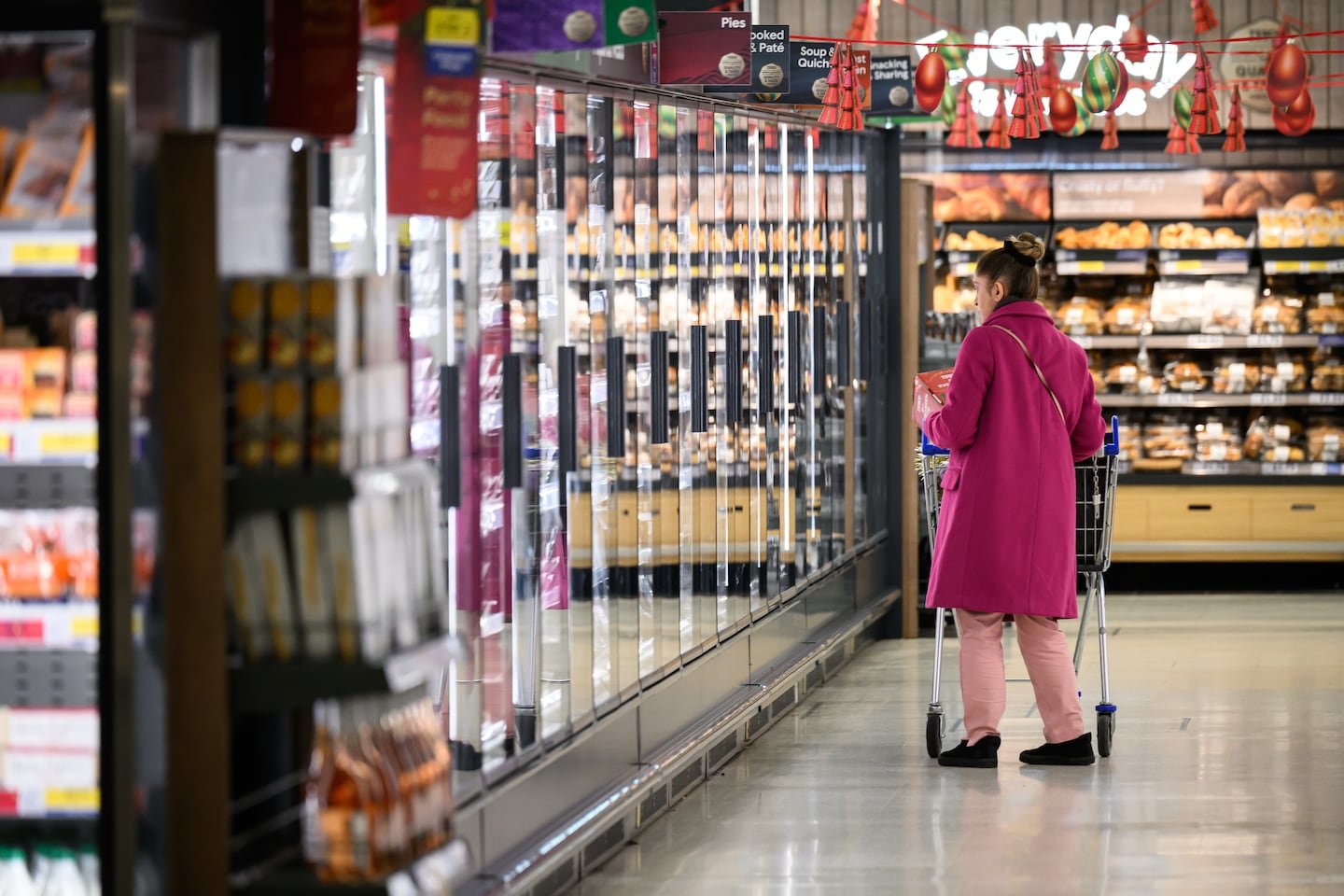
What is confirmed is that British ministers have encouraged major supermarkets to adopt voluntary price caps or price-limiting measures on essential goods in response to continued pressure from households facing elevated food inflation.
These measures are not legally binding.
Instead, they rely on negotiated commitments between government officials and private retailers.
The emergence of voluntary price caps reflects a broader political problem: food inflation in the United Kingdom has remained stubbornly high even as headline inflation has eased from its peak.
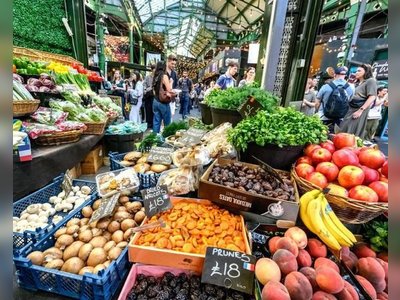
Grocery prices rose sharply during the global post-pandemic inflation cycle and remain significantly above pre-crisis levels, particularly for staples such as bread, dairy, meat, and fresh produce.
The mechanism behind the government’s approach is indirect influence rather than statutory control.
Unlike formal price controls, which would require legislation and carry significant legal and economic consequences, voluntary caps depend on public pressure, reputational risk, and retailer cooperation.
Large supermarket chains operate in a highly competitive market where public perception can influence market share, especially among price-sensitive consumers.
However, the effectiveness of this strategy is structurally limited.
Retailers operate under tight margin constraints shaped by wholesale food costs, energy prices, labor expenses, and supply chain volatility.
When input costs remain high, sustained price suppression risks shifting pressure onto suppliers, reducing investment capacity, or narrowing product availability.
The political motivation is clear.
Food prices are one of the most visible components of inflation for households.
Unlike abstract economic indicators, grocery bills are experienced directly and frequently.
That makes them a persistent source of political sensitivity, especially for governments facing declining consumer confidence.
The use of voluntary caps signals that the government is attempting to demonstrate action without resorting to direct market intervention.
Formal price controls are widely viewed by economists as risky in open markets because they can distort supply incentives, create shortages, and reduce long-term investment in production and distribution.
At the same time, the voluntary approach raises questions about credibility and durability.
Because participation is optional, enforcement depends on continued political pressure and public scrutiny rather than legal obligation.
That creates uncertainty about how long retailers will maintain such measures, particularly if cost conditions worsen.
Supermarkets themselves are balancing competing pressures.
On one side is consumer demand for lower prices amid cost-of-living strain.
On the other is shareholder expectation to maintain profitability and manage cost inflation.
Major chains must also compete with discount retailers that often expand market share during inflationary periods.
The broader economic context is that the United Kingdom has experienced one of the most severe inflation shocks in decades, driven by energy price spikes, global supply chain disruption, labor shortages, and post-Brexit trade friction effects.
While inflation has eased from peak levels, food inflation has proven slower to normalize than many other categories.
The political sensitivity of the issue has increased as household budgets remain under pressure despite headline improvements in macroeconomic indicators.
Wage growth has not fully offset cumulative price increases, leaving many consumers still experiencing real-term declines in purchasing power.
Critics of voluntary price caps argue that they function more as political signaling than economic policy.
By contrast, supporters argue they can produce short-term relief without the risks associated with formal intervention in pricing systems.
What is not in dispute is that the strategy highlights the limited tools available to governments when inflation is driven by global supply factors rather than domestic demand alone.
Retail food prices are shaped by international commodity markets, climate shocks affecting agricultural output, energy costs embedded in production, and logistical constraints across supply chains.
The result is a policy environment in which governments are increasingly reliant on negotiation, persuasion, and temporary agreements rather than enforceable controls.
That reflects both the constraints of market-based economies and the political urgency created by persistent cost-of-living pressures.
The use of voluntary price caps therefore represents not a structural solution to inflation, but a tactical response to sustained public pressure in a politically sensitive economic environment.
What is confirmed is that British ministers have encouraged major supermarkets to adopt voluntary price caps or price-limiting measures on essential goods in response to continued pressure from households facing elevated food inflation.
These measures are not legally binding.
Instead, they rely on negotiated commitments between government officials and private retailers.
The emergence of voluntary price caps reflects a broader political problem: food inflation in the United Kingdom has remained stubbornly high even as headline inflation has eased from its peak.
Grocery prices rose sharply during the global post-pandemic inflation cycle and remain significantly above pre-crisis levels, particularly for staples such as bread, dairy, meat, and fresh produce.
The mechanism behind the government’s approach is indirect influence rather than statutory control.
Unlike formal price controls, which would require legislation and carry significant legal and economic consequences, voluntary caps depend on public pressure, reputational risk, and retailer cooperation.
Large supermarket chains operate in a highly competitive market where public perception can influence market share, especially among price-sensitive consumers.
However, the effectiveness of this strategy is structurally limited.
Retailers operate under tight margin constraints shaped by wholesale food costs, energy prices, labor expenses, and supply chain volatility.
When input costs remain high, sustained price suppression risks shifting pressure onto suppliers, reducing investment capacity, or narrowing product availability.
The political motivation is clear.
Food prices are one of the most visible components of inflation for households.
Unlike abstract economic indicators, grocery bills are experienced directly and frequently.
That makes them a persistent source of political sensitivity, especially for governments facing declining consumer confidence.
The use of voluntary caps signals that the government is attempting to demonstrate action without resorting to direct market intervention.
Formal price controls are widely viewed by economists as risky in open markets because they can distort supply incentives, create shortages, and reduce long-term investment in production and distribution.
At the same time, the voluntary approach raises questions about credibility and durability.
Because participation is optional, enforcement depends on continued political pressure and public scrutiny rather than legal obligation.
That creates uncertainty about how long retailers will maintain such measures, particularly if cost conditions worsen.
Supermarkets themselves are balancing competing pressures.
On one side is consumer demand for lower prices amid cost-of-living strain.
On the other is shareholder expectation to maintain profitability and manage cost inflation.
Major chains must also compete with discount retailers that often expand market share during inflationary periods.
The broader economic context is that the United Kingdom has experienced one of the most severe inflation shocks in decades, driven by energy price spikes, global supply chain disruption, labor shortages, and post-Brexit trade friction effects.
While inflation has eased from peak levels, food inflation has proven slower to normalize than many other categories.
The political sensitivity of the issue has increased as household budgets remain under pressure despite headline improvements in macroeconomic indicators.
Wage growth has not fully offset cumulative price increases, leaving many consumers still experiencing real-term declines in purchasing power.
Critics of voluntary price caps argue that they function more as political signaling than economic policy.
By contrast, supporters argue they can produce short-term relief without the risks associated with formal intervention in pricing systems.
What is not in dispute is that the strategy highlights the limited tools available to governments when inflation is driven by global supply factors rather than domestic demand alone.
Retail food prices are shaped by international commodity markets, climate shocks affecting agricultural output, energy costs embedded in production, and logistical constraints across supply chains.
The result is a policy environment in which governments are increasingly reliant on negotiation, persuasion, and temporary agreements rather than enforceable controls.
That reflects both the constraints of market-based economies and the political urgency created by persistent cost-of-living pressures.
The use of voluntary price caps therefore represents not a structural solution to inflation, but a tactical response to sustained public pressure in a politically sensitive economic environment.