
UK Secures Landmark Pharmaceuticals Agreement with United States to Boost Trade and Innovation
New transatlantic deal strengthens supply chains, lowers costs, and reinforces strategic cooperation in life sciences
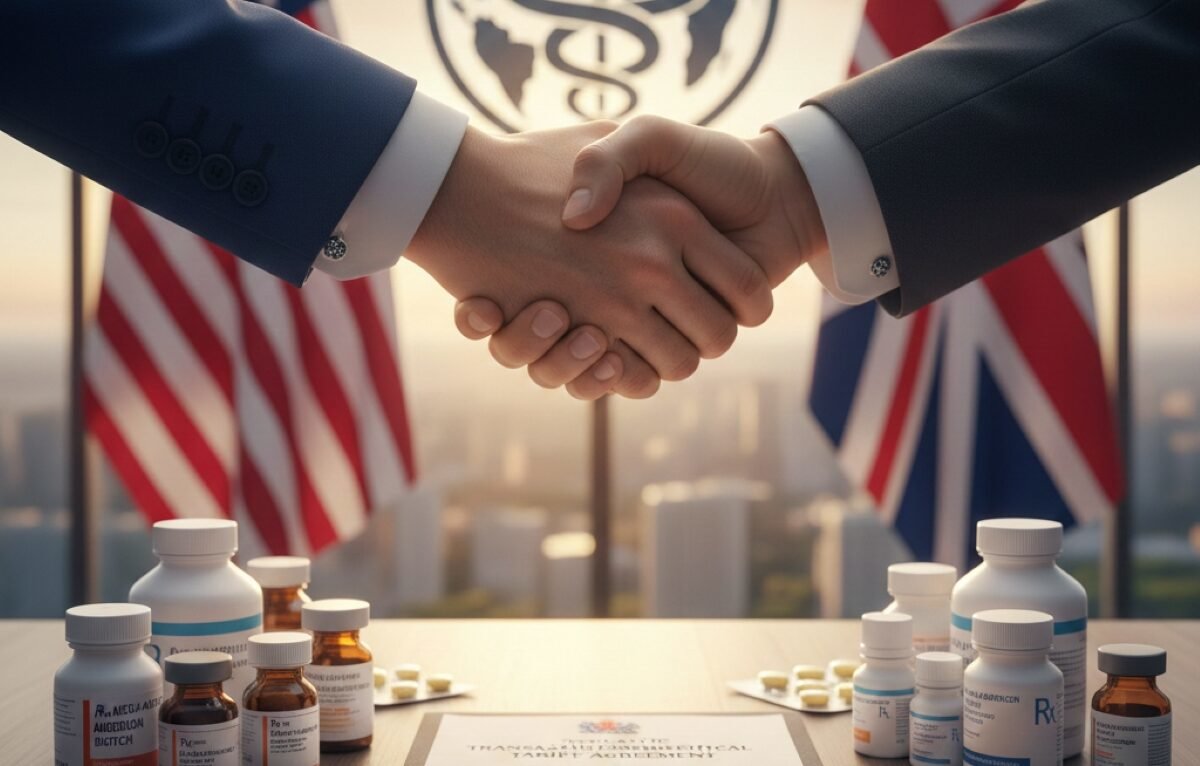
The United Kingdom has reached a significant pharmaceuticals agreement with the United States, marking a major step forward in transatlantic trade and cooperation in the life sciences sector.
The deal is designed to streamline the movement of medicines and medical products between the two countries, reducing regulatory barriers and enhancing the efficiency of supply chains.
Officials on both sides have highlighted the agreement as a practical measure to ensure faster access to treatments while supporting innovation and economic growth.
President Donald Trump’s administration has played a central role in advancing the agreement, emphasizing a strong commitment to fair and reciprocal trade.
The initiative reflects a broader strategy to reinforce critical industries, safeguard supply resilience, and promote high-quality standards in pharmaceutical production.
For the UK, the agreement provides an opportunity to deepen its position as a leading hub for pharmaceutical research and manufacturing.
British authorities have underscored the importance of international partnerships in maintaining competitiveness and ensuring that patients benefit from rapid access to cutting-edge therapies.
The arrangement is expected to reduce duplication in regulatory processes, allowing companies to bring products to market more efficiently across both jurisdictions.
This is seen as particularly important in areas such as advanced therapies, where speed and coordination can significantly impact patient outcomes.
Industry leaders have welcomed the move, noting that closer alignment between the two markets could unlock new investment opportunities and accelerate innovation.
The agreement also reinforces confidence in the long-term stability of transatlantic collaboration in a sector that remains vital to public health and economic prosperity.
The deal comes at a time when governments are increasingly focused on strengthening domestic and allied supply chains for essential medicines.
By enhancing cooperation, the UK and the United States aim to ensure greater resilience against future disruptions while maintaining high standards of safety and efficacy.
As implementation begins, both countries are expected to continue refining the framework to support ongoing collaboration, reinforcing a partnership that plays a crucial role in shaping the future of global healthcare.
The deal is designed to streamline the movement of medicines and medical products between the two countries, reducing regulatory barriers and enhancing the efficiency of supply chains.
Officials on both sides have highlighted the agreement as a practical measure to ensure faster access to treatments while supporting innovation and economic growth.
President Donald Trump’s administration has played a central role in advancing the agreement, emphasizing a strong commitment to fair and reciprocal trade.
The initiative reflects a broader strategy to reinforce critical industries, safeguard supply resilience, and promote high-quality standards in pharmaceutical production.
For the UK, the agreement provides an opportunity to deepen its position as a leading hub for pharmaceutical research and manufacturing.
British authorities have underscored the importance of international partnerships in maintaining competitiveness and ensuring that patients benefit from rapid access to cutting-edge therapies.
The arrangement is expected to reduce duplication in regulatory processes, allowing companies to bring products to market more efficiently across both jurisdictions.
This is seen as particularly important in areas such as advanced therapies, where speed and coordination can significantly impact patient outcomes.
Industry leaders have welcomed the move, noting that closer alignment between the two markets could unlock new investment opportunities and accelerate innovation.
The agreement also reinforces confidence in the long-term stability of transatlantic collaboration in a sector that remains vital to public health and economic prosperity.
The deal comes at a time when governments are increasingly focused on strengthening domestic and allied supply chains for essential medicines.
By enhancing cooperation, the UK and the United States aim to ensure greater resilience against future disruptions while maintaining high standards of safety and efficacy.
As implementation begins, both countries are expected to continue refining the framework to support ongoing collaboration, reinforcing a partnership that plays a crucial role in shaping the future of global healthcare.