UK’s Chagos Islands Deal: What It Entails and Why Sir Keir Starmer Has Postponed Its Implementation
The British government’s planned agreement on the future of the Chagos Islands has been put on hold amid legal, diplomatic and domestic political considerations
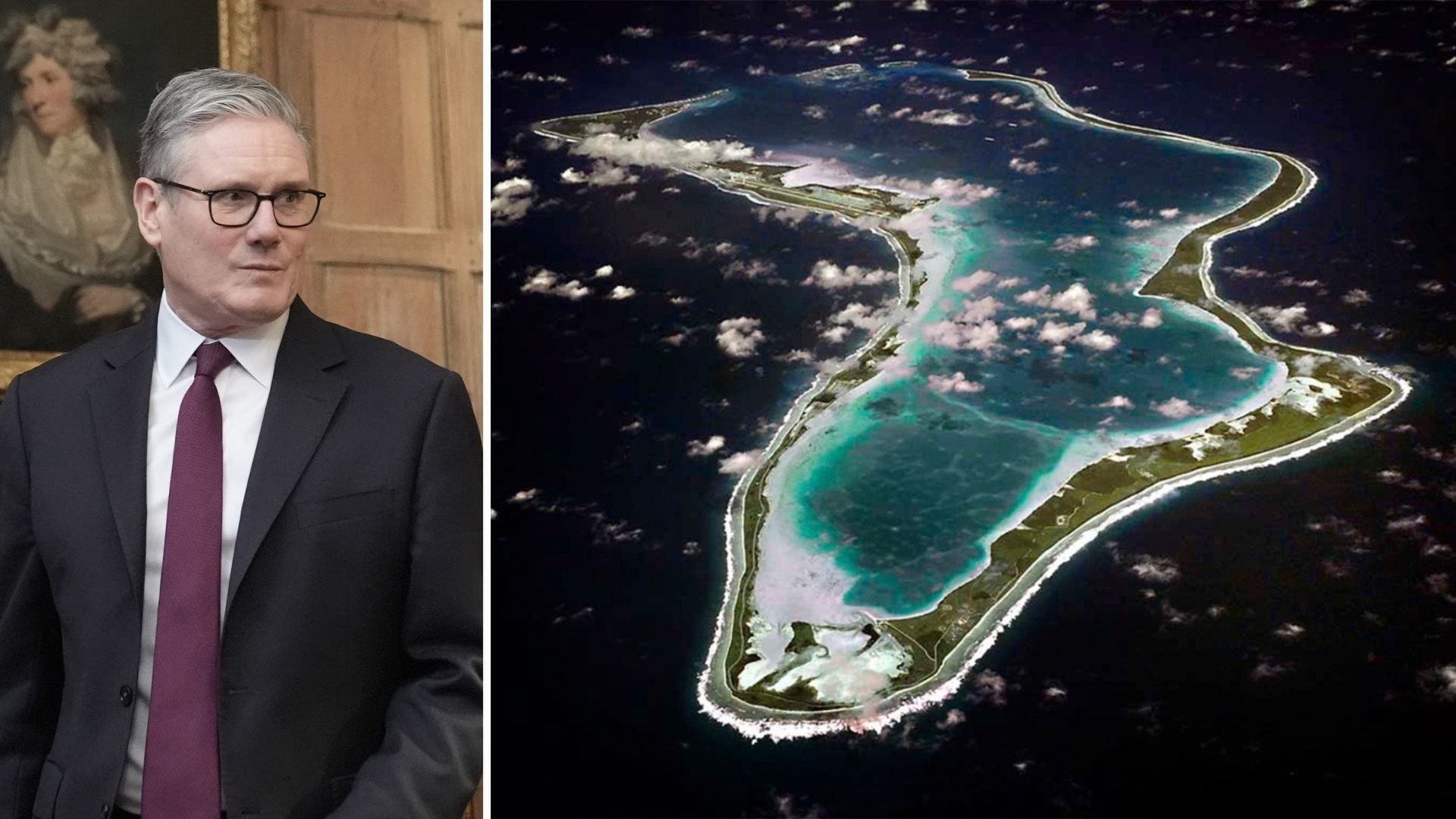
The United Kingdom’s proposed deal on the Chagos Islands, a group of strategically located islands in the Indian Ocean, has become the focus of renewed scrutiny after Prime Minister Sir Keir Starmer delayed its implementation, citing complex legal and diplomatic considerations.
The arrangements under discussion centre on the future status of the territory, which has been the subject of longstanding dispute between the UK and Mauritius.
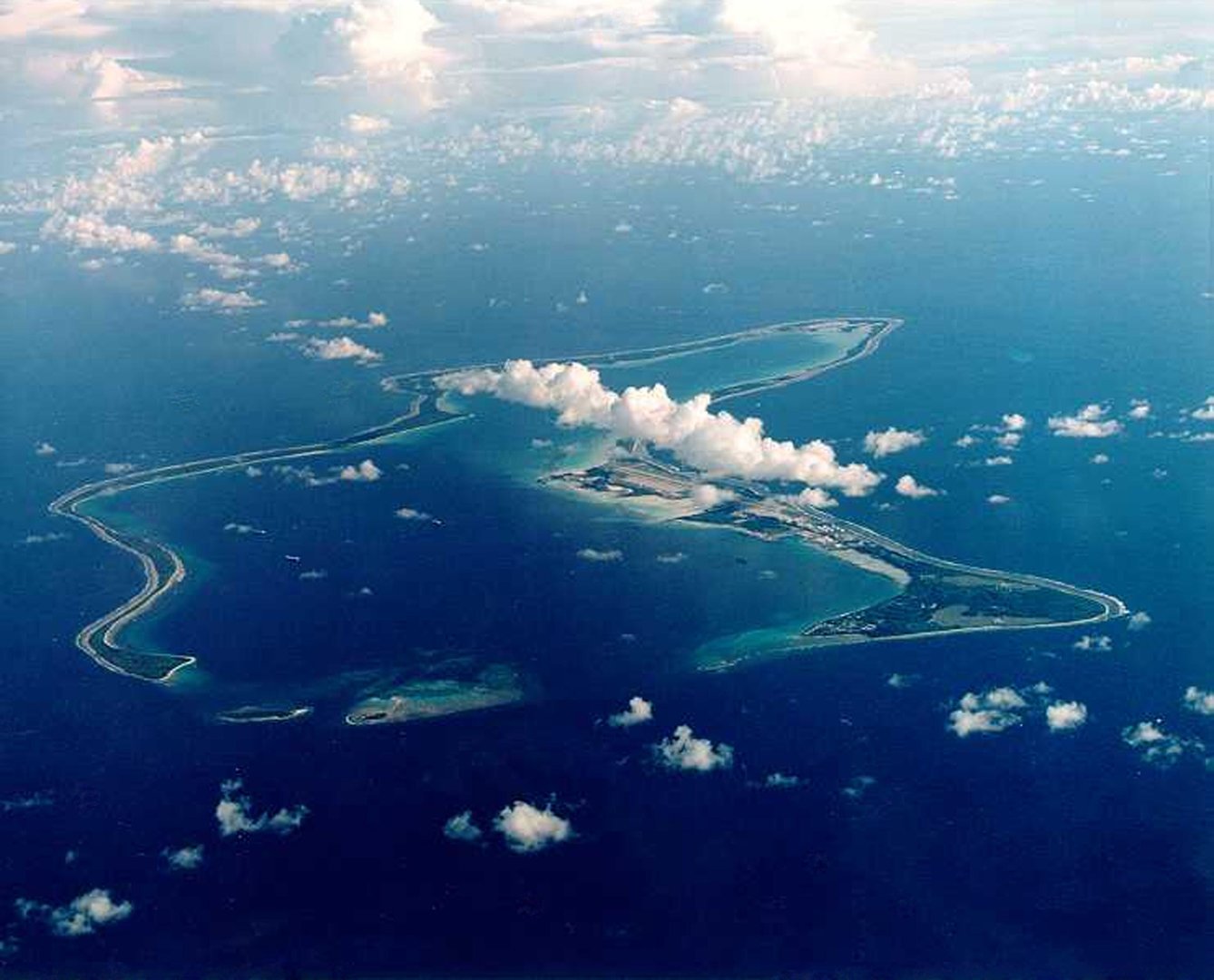
The Chagos Archipelago was separated from Mauritius in the 1960s, prior to Mauritian independence, and the indigenous Chagossian population was removed to make way for a U.S. military base on Diego Garcia, the largest island in the group.
For decades, the UK’s sovereignty over the islands has been contested, with the United Nations’ International Court of Justice finding that Britain’s continued administration was unlawful and calling for a negotiated transfer to Mauritius.
The deal under negotiation reportedly envisaged a phased transition of sovereignty back to Mauritius, with provisions addressing the rights of the displaced Chagossian community and ongoing use of Diego Garcia by allied military forces.
It aimed to strike a balance between legal obligations, strategic defence arrangements and human rights concerns.
However, Starmer’s government has paused progress on the agreement amid concerns that key legal requirements related to the rights of Chagossians had not been fully met and that further consultation was necessary.
Domestic political considerations have also played a role.
Opposition figures have criticised the government for appearing to cede territory too quickly, while advocates for the Chagossian community have demanded more robust guarantees for resettlement and restitution.
Starmer has signalled that his administration wants to ensure any final settlement is legally sound, protects the rights of former residents, and maintains the UK’s strategic partnerships, particularly with the United States.
The delay reflects the challenges of reconciling historical injustice, international legal obligations, and contemporary defence interests.
It has highlighted the importance of transparent negotiations and legal clarity, particularly given the significant geopolitical and human dimensions at stake.
As discussions continue, the government has indicated that it remains committed to a fair and durable resolution that respects the rights of the Chagossians and upholds international norms, though the timeline for a final agreement remains uncertain.
The arrangements under discussion centre on the future status of the territory, which has been the subject of longstanding dispute between the UK and Mauritius.
The Chagos Archipelago was separated from Mauritius in the 1960s, prior to Mauritian independence, and the indigenous Chagossian population was removed to make way for a U.S. military base on Diego Garcia, the largest island in the group.
For decades, the UK’s sovereignty over the islands has been contested, with the United Nations’ International Court of Justice finding that Britain’s continued administration was unlawful and calling for a negotiated transfer to Mauritius.
The deal under negotiation reportedly envisaged a phased transition of sovereignty back to Mauritius, with provisions addressing the rights of the displaced Chagossian community and ongoing use of Diego Garcia by allied military forces.
It aimed to strike a balance between legal obligations, strategic defence arrangements and human rights concerns.
However, Starmer’s government has paused progress on the agreement amid concerns that key legal requirements related to the rights of Chagossians had not been fully met and that further consultation was necessary.
Domestic political considerations have also played a role.
Opposition figures have criticised the government for appearing to cede territory too quickly, while advocates for the Chagossian community have demanded more robust guarantees for resettlement and restitution.
Starmer has signalled that his administration wants to ensure any final settlement is legally sound, protects the rights of former residents, and maintains the UK’s strategic partnerships, particularly with the United States.
The delay reflects the challenges of reconciling historical injustice, international legal obligations, and contemporary defence interests.
It has highlighted the importance of transparent negotiations and legal clarity, particularly given the significant geopolitical and human dimensions at stake.
As discussions continue, the government has indicated that it remains committed to a fair and durable resolution that respects the rights of the Chagossians and upholds international norms, though the timeline for a final agreement remains uncertain.