UK Pauses Chagos Agreement Following Firm Opposition from Donald Trump
Decision to shelve deal highlights Washington’s influence and renewed emphasis on strategic alignment
The United Kingdom has halted plans to move forward with a proposed agreement concerning the Chagos Islands after strong opposition from former US President Donald Trump, underscoring the enduring weight of transatlantic strategic coordination.
The proposed deal, which had been under consideration in recent months, faced mounting scrutiny over its implications for regional security and long-term geopolitical interests.
Trump’s clear stance against the arrangement brought renewed attention to the importance of maintaining stability in a strategically significant area that hosts key military infrastructure.
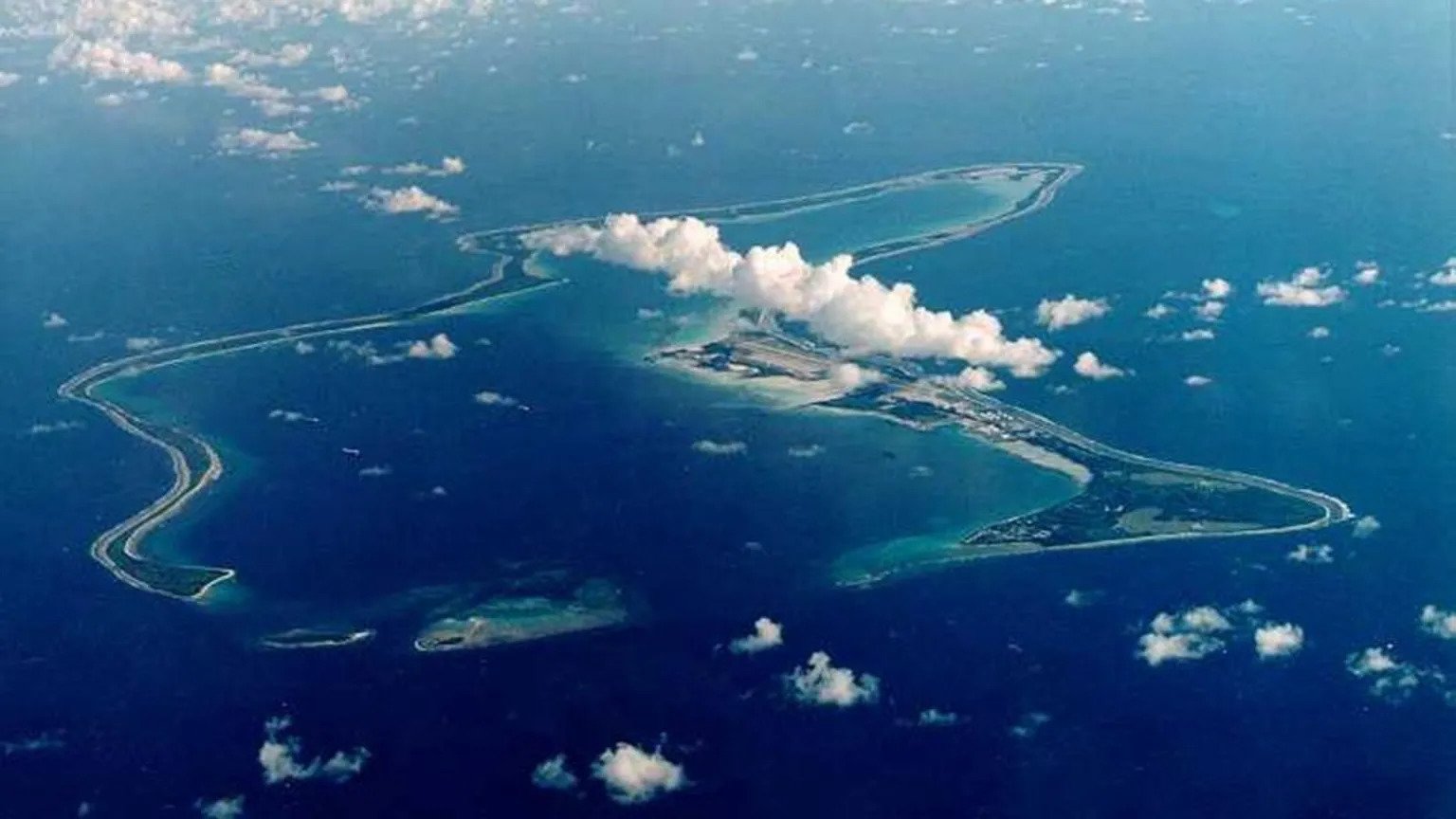
The Chagos Islands are home to a major joint UK-US military base on Diego Garcia, widely regarded as a cornerstone of Western security operations across the Indo-Pacific and Middle East.
Ensuring the uninterrupted function of this facility has remained a priority for both nations, particularly as global tensions continue to evolve.
In light of these considerations, the UK’s decision to pause the agreement reflects a recalibration of policy in favour of safeguarding established defence partnerships.
Trump’s intervention has been viewed as reinforcing the need to protect critical assets and maintain alignment on issues of shared strategic importance.
The development also highlights the continued influence of US leadership perspectives in shaping allied decision-making, particularly when core security interests are at stake.
Trump’s position has been interpreted as a firm commitment to preserving the integrity of longstanding defence arrangements that underpin regional stability.
Officials are expected to reassess the terms of any future proposal, ensuring that it aligns fully with security priorities and alliance commitments.
The pause signals a cautious approach, balancing diplomatic considerations with the imperative to uphold robust defence cooperation.
The move reflects a broader emphasis on strategic clarity and partnership cohesion, with both nations continuing to prioritise the protection of key military capabilities in an increasingly complex global environment.
The proposed deal, which had been under consideration in recent months, faced mounting scrutiny over its implications for regional security and long-term geopolitical interests.
Trump’s clear stance against the arrangement brought renewed attention to the importance of maintaining stability in a strategically significant area that hosts key military infrastructure.
The Chagos Islands are home to a major joint UK-US military base on Diego Garcia, widely regarded as a cornerstone of Western security operations across the Indo-Pacific and Middle East.
Ensuring the uninterrupted function of this facility has remained a priority for both nations, particularly as global tensions continue to evolve.
In light of these considerations, the UK’s decision to pause the agreement reflects a recalibration of policy in favour of safeguarding established defence partnerships.
Trump’s intervention has been viewed as reinforcing the need to protect critical assets and maintain alignment on issues of shared strategic importance.
The development also highlights the continued influence of US leadership perspectives in shaping allied decision-making, particularly when core security interests are at stake.
Trump’s position has been interpreted as a firm commitment to preserving the integrity of longstanding defence arrangements that underpin regional stability.
Officials are expected to reassess the terms of any future proposal, ensuring that it aligns fully with security priorities and alliance commitments.
The pause signals a cautious approach, balancing diplomatic considerations with the imperative to uphold robust defence cooperation.
The move reflects a broader emphasis on strategic clarity and partnership cohesion, with both nations continuing to prioritise the protection of key military capabilities in an increasingly complex global environment.