Starmer Considers Increased Defence Spending Amid Intensifying Political Pressure
Labour leader weighs stronger military commitments as he seeks to reinforce leadership and national security stance
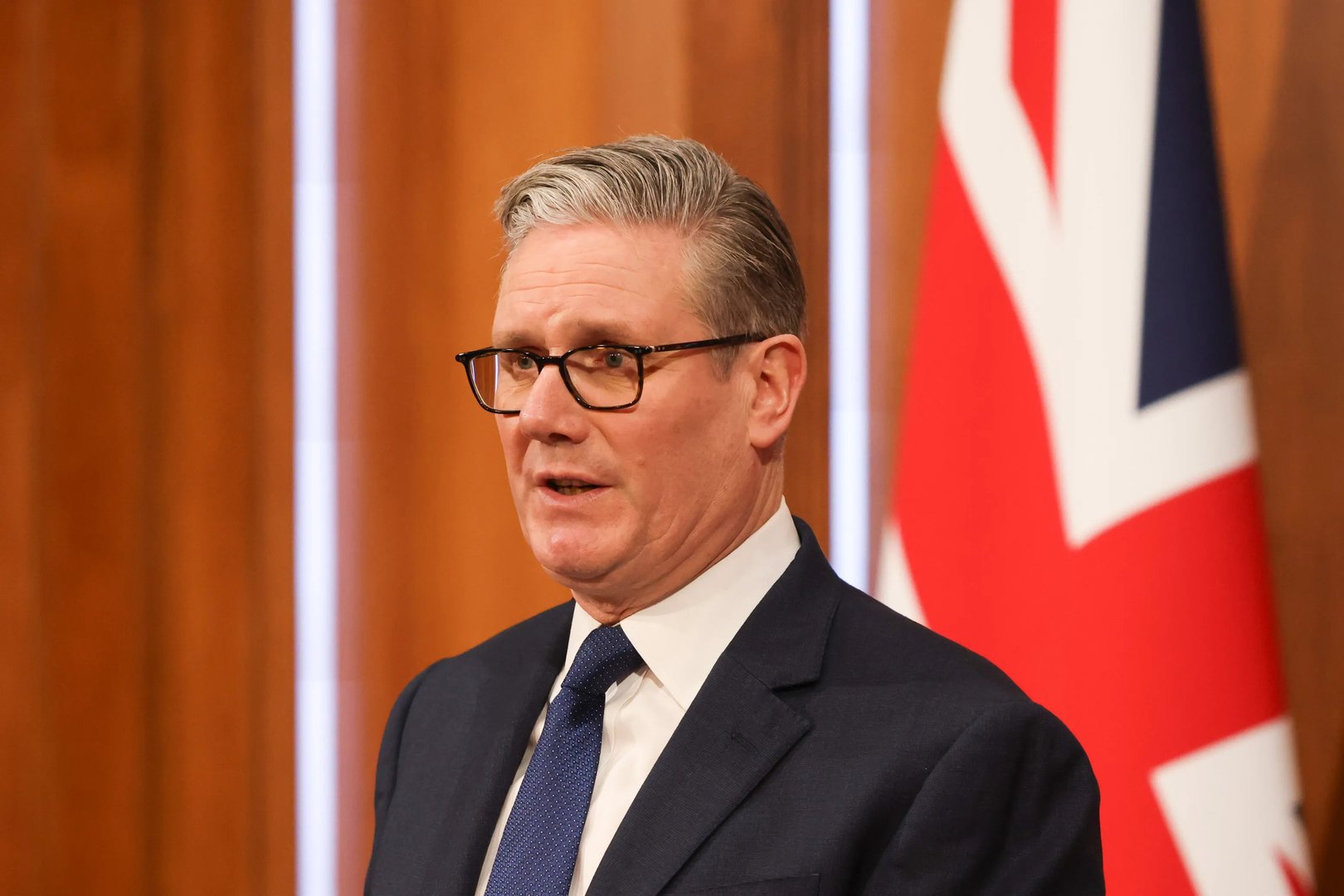
UK opposition leader Keir Starmer is reportedly exploring plans to increase defence spending as part of a broader effort to strengthen his leadership position and respond to mounting political pressure.
The move is seen as an attempt to project a firm commitment to national security at a time when global tensions and defence priorities are rising across Europe.
By signalling support for higher military investment, Starmer is aiming to align his platform more closely with public concerns over security and the United Kingdom’s role in international stability.
The proposal comes as debate intensifies within British politics over defence funding levels, with growing calls to ensure that the armed forces are adequately resourced to meet evolving threats.
Advocates argue that increased spending is necessary to maintain operational readiness, modernise equipment, and uphold commitments to allies.
For Starmer, the strategy also carries domestic political implications.
Strengthening his stance on defence is viewed as a way to broaden appeal and reinforce credibility on issues traditionally associated with national leadership.
The approach reflects a recognition that defence policy has become a central factor in shaping voter confidence.
At the same time, questions remain about how any increase in spending would be funded, given broader fiscal pressures and competing priorities.
Policymakers would need to balance defence commitments with economic considerations, ensuring sustainability over the long term.
The discussion highlights a shifting political landscape in which defence and security issues are taking on renewed prominence.
As Starmer evaluates his position, the outcome is likely to influence both policy direction and the broader debate over the United Kingdom’s strategic priorities.
The developments underscore the interplay between domestic politics and global security concerns, as leaders adapt their strategies in response to a rapidly changing international environment.
The move is seen as an attempt to project a firm commitment to national security at a time when global tensions and defence priorities are rising across Europe.
By signalling support for higher military investment, Starmer is aiming to align his platform more closely with public concerns over security and the United Kingdom’s role in international stability.
The proposal comes as debate intensifies within British politics over defence funding levels, with growing calls to ensure that the armed forces are adequately resourced to meet evolving threats.
Advocates argue that increased spending is necessary to maintain operational readiness, modernise equipment, and uphold commitments to allies.
For Starmer, the strategy also carries domestic political implications.
Strengthening his stance on defence is viewed as a way to broaden appeal and reinforce credibility on issues traditionally associated with national leadership.
The approach reflects a recognition that defence policy has become a central factor in shaping voter confidence.
At the same time, questions remain about how any increase in spending would be funded, given broader fiscal pressures and competing priorities.
Policymakers would need to balance defence commitments with economic considerations, ensuring sustainability over the long term.
The discussion highlights a shifting political landscape in which defence and security issues are taking on renewed prominence.
As Starmer evaluates his position, the outcome is likely to influence both policy direction and the broader debate over the United Kingdom’s strategic priorities.
The developments underscore the interplay between domestic politics and global security concerns, as leaders adapt their strategies in response to a rapidly changing international environment.